Implant dentistry coordinated in Turkey

Dental Implants in Turkey

Replace one tooth, several teeth, or a full dental arch through an individually planned implant pathway. VIPmedi helps international patients enquire with participating dental teams at established hospital networks in Turkey.

Single-tooth optionsImplant bridgesFull-arch solutionsIndividual assessment

Treatment recommendations, timing, implant number, materials, and suitability require examination and appropriate imaging by the treating dental team.

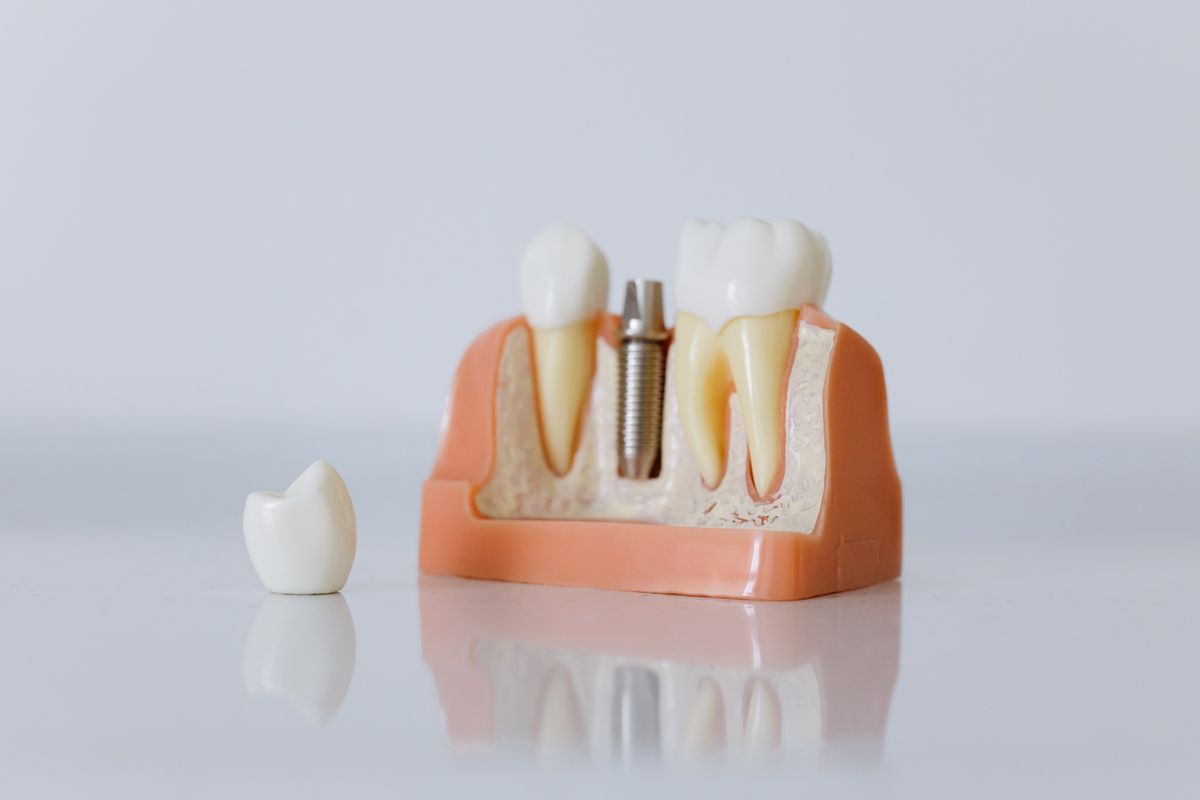
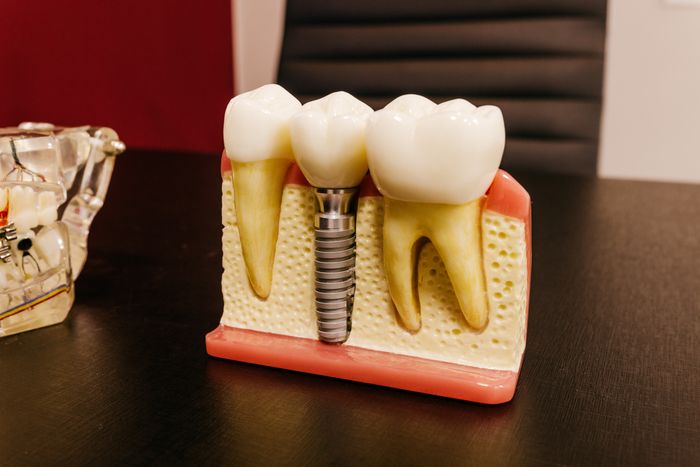
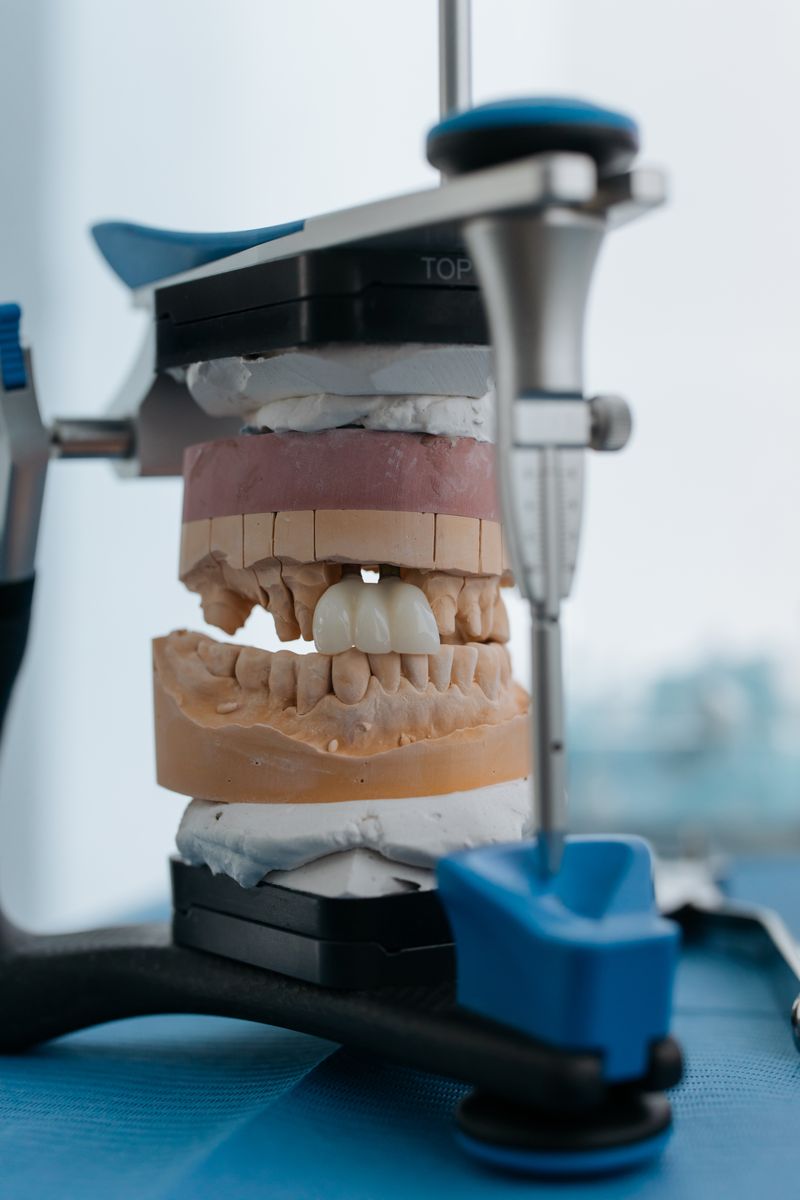
Close-up dental model showing implant-supported replacement teeth in a jaw
Implant-supported replacement teethPhoto by cottonbro studio / Pexels. Editorial illustration; not a VIPmedi patient, facility, treatment, or result.
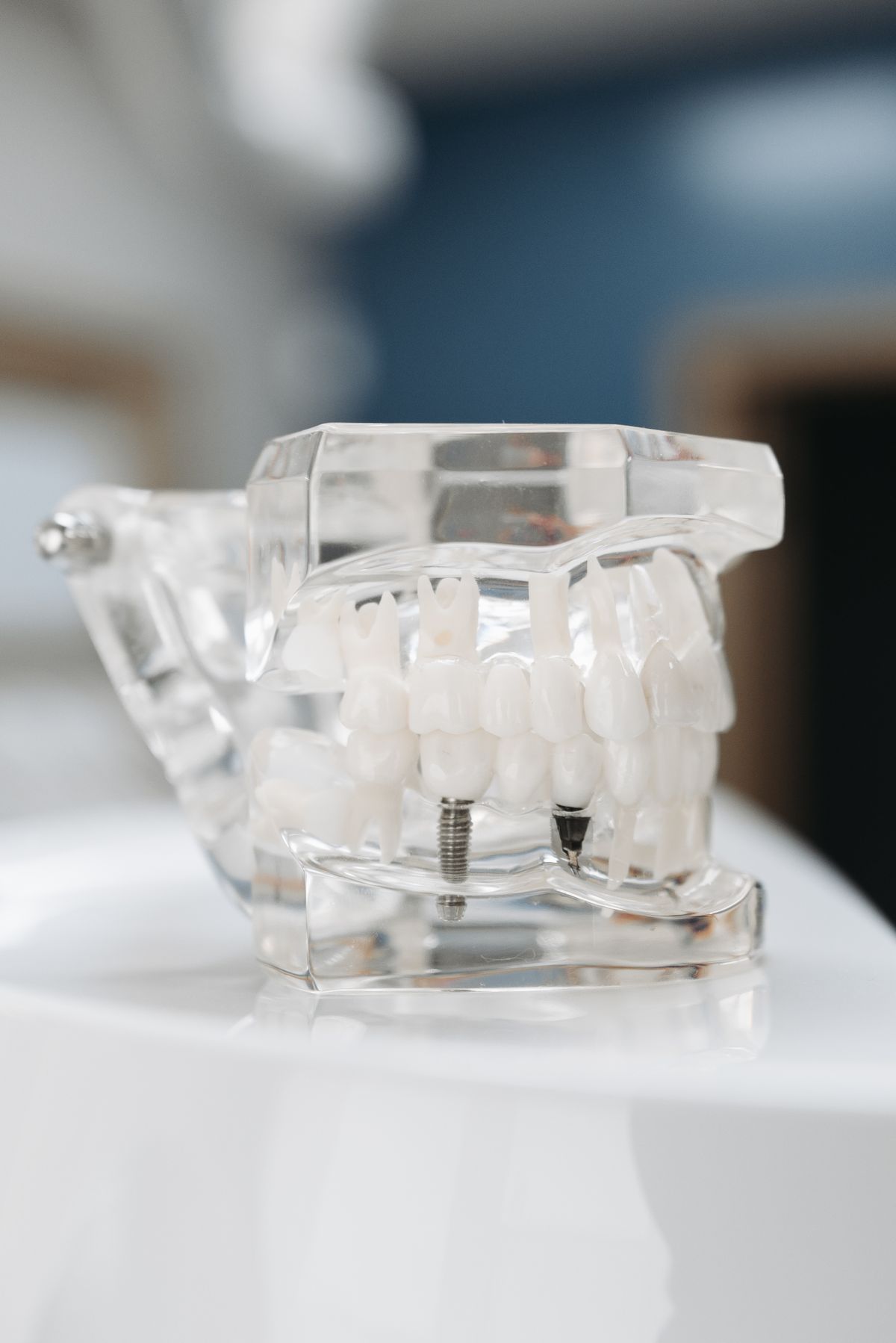
Transparent dental implant model showing replacement teeth connected to implant fixtures
Implant model: Pavel Danilyuk / Pexels
What an implant actually replaces

A foundation in bone, plus the tooth or bridge above it

A dental implant is a fixture placed in the jawbone to support a restoration. An abutment or other prosthetic component connects the fixture to a crown, bridge, or removable overdenture. For full-arch treatment, several implants may support one connected prosthesis.

After placement, the implant normally needs time to integrate with the surrounding bone. This biological process is called osseointegration. A temporary tooth or bridge may sometimes be provided during healing, but immediate loading depends on stability, anatomy, the bite, and the wider clinical plan.

Implants do not make surrounding tissues maintenance-free. Gum health, daily plaque control, smoking, medical factors, bite forces, prosthetic design, and professional reviews all influence long-term care.

The planning essentials

Four facts to understand before comparing offers

Diagnosis comes firstTeeth, gums, bone, anatomy, health, medicines, and bite must be reviewed.
The restoration mattersThe crown, bridge, or denture is planned together with implant position.
Healing is individualImmediate temporary teeth are possible only in selected cases.
Maintenance continuesImplants need daily cleaning, reviews, and access to compatible components.
From one missing tooth to a full arch

Main dental implant treatment options

The most suitable design depends on what is missing, which teeth can be preserved, bone and soft-tissue conditions, cleansability, bite forces, expectations, and long-term repair planning.

Single implant and crown

One implant may support one crown when an individual tooth is missing and the site, neighbouring teeth, bite, and aesthetics permit it. The implant replaces the root support; the crown replaces the visible tooth.

Ask about: gum shape, temporary tooth, crown material, screw- or cement-retention, and hygiene access.

Implant-supported bridge

Two or more implants can support connected replacement teeth, so not every missing tooth necessarily requires its own fixture. Span length, implant distribution, force, bone, and cleansability guide the plan.

Ask about: number and position of implants, bridge units, pontic design, material, and repair pathway.

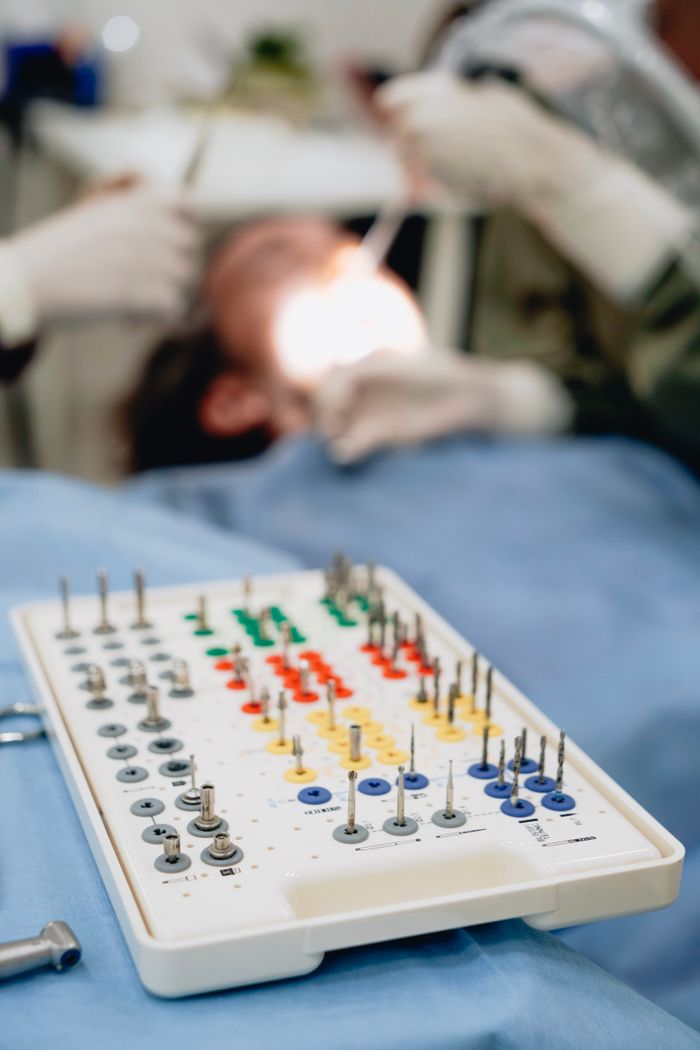
Dental implant components and a model arranged on a clinical work surfaceImplant components: Jonathan Borba / Pexels

Fixed full-arch bridge

A full arch may be restored with a connected fixed prosthesis supported by a planned number of implants. All-on-4, All-on-6, and All-on-8 are different full-arch pathways—not quality rankings.

Ask about: tooth prognosis, implant number, provisional and final bridges, speech, lip support, cleaning, and failure planning.

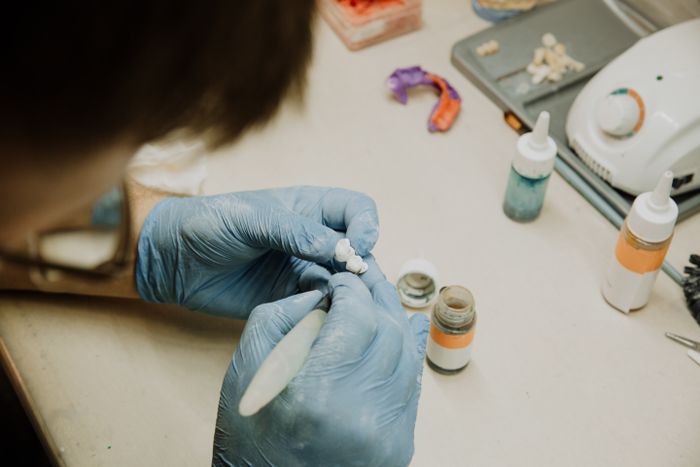
Dental laboratory technician shaping an implant-supported prosthesisProsthetic work: Ivan Babydov / Pexels

Implant-retained overdenture

A removable denture can connect to implants for added retention and stability. It must still be removed as instructed for cleaning, and clips, bars, inserts, fit, and the denture itself may need maintenance.

Ask about: attachment system, number of implants, daily removal, relines, replacement parts, and local servicing.

Conventional bridges, removable dentures, preservation of maintainable teeth, orthodontic space management, or no treatment may also be reasonable alternatives. A complete consent discussion compares appropriate options—not implants alone.

Know what is included

Fixture, abutment, temporary, and final restoration

“Dental implant” is often used to describe the whole replacement tooth, but a quotation may separate its surgical and restorative components.

In the jawbone

Implant fixture

The fixture is surgically placed in bone. Titanium is widely used; other materials may be considered in selected situations. Diameter, length, surface, connection, and manufacturer are clinical and serviceability decisions.

Confirm: brand, system, dimensions, labels, and compatible-component access.

The connection

Abutment or components

An abutment, multi-unit component, screw, or attachment links the implant to the restoration. Its design affects tissue support, retention, access, maintenance, and replacement.

Confirm: component type, genuine or compatible parts, and retrievability.

During treatment

Temporary restoration

A temporary tooth, bridge, or denture may protect appearance or function during healing. “Same-day teeth” commonly means a provisional restoration, not a guaranteed final tooth.

Confirm: whether it is fixed or removable, restrictions, repair terms, and backup plan.

After healing

Definitive prosthesis

The final crown, bridge, or overdenture is made after appropriate reassessment. Material is only one part of quality; design, fit, bite, cleansability, aesthetics, and repair access also matter.

Confirm: material, laboratory, retention, review, remake, and maintenance arrangements.

Do not compare a “per implant” headline with a complete replacement-tooth plan. Ask whether imaging, surgery, fixture, abutment, temporary tooth, final crown or bridge, grafting, anaesthesia, reviews, and travel coordination are included.
Planning before surgery

A safe proposal begins with diagnosis and prosthetic planning

Online photographs and previous X-rays may support an initial conversation, but they do not replace an in-person examination or the imaging the treating clinician considers necessary.

01

Dental and gum examination

Missing teeth, decay, infection, gum disease, tissue quality, hygiene, tooth prognosis, and the condition of existing restorations are recorded.

02

Imaging and anatomy

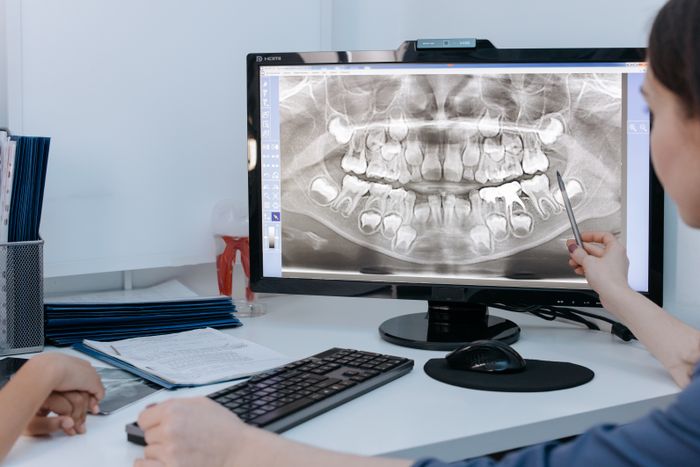
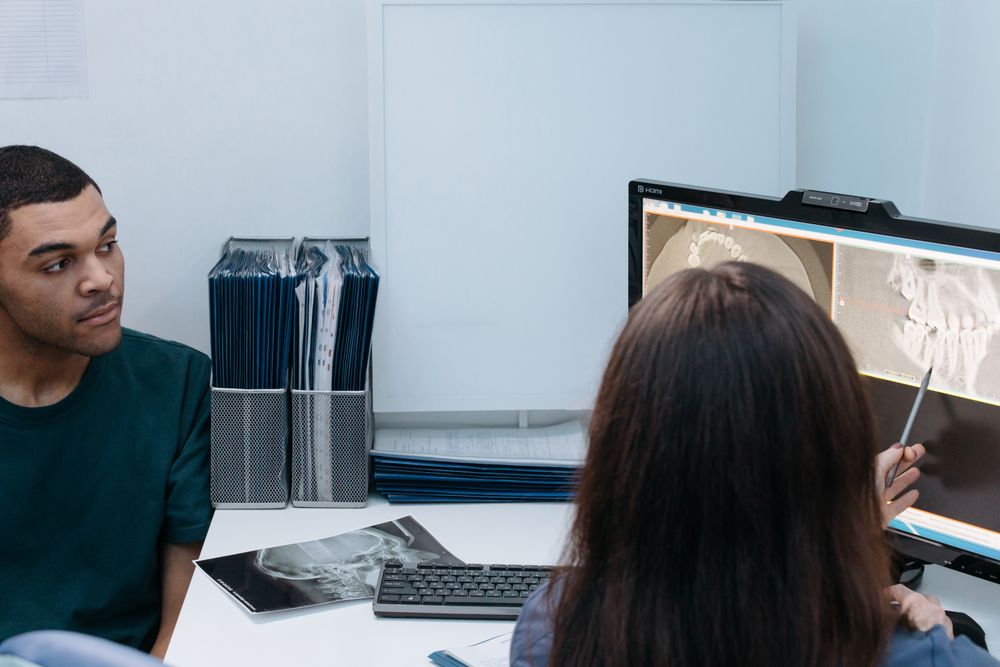
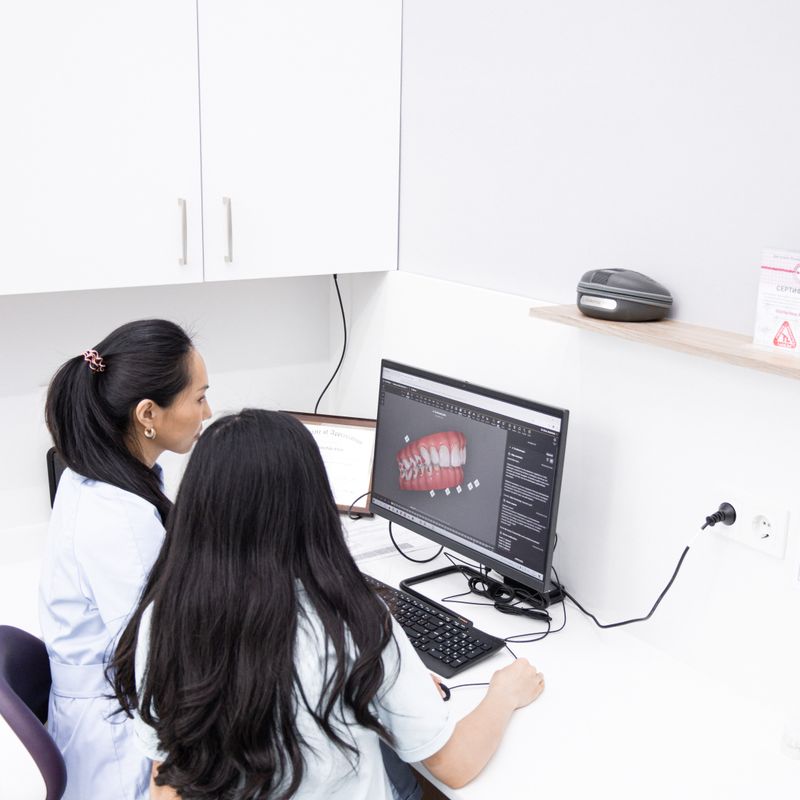
Panoramic imaging and CBCT when clinically indicated help assess bone dimensions, defects, nerves, sinuses, roots, and three-dimensional implant positioning.

03

Health and medicines

Diabetes control, smoking, healing history, immune conditions, bleeding risk, antiresorptive medicines, radiotherapy, allergies, and other relevant factors need disclosure and review.

04

Bite and restoration

Space, tooth position, smile line, jaw relationship, grinding, speech, lip support, cleaning access, and the final prosthesis guide implant placement.

05

Bone and soft tissue

Some sites need grafting, ridge preservation, soft-tissue treatment, or a sinus-related procedure. Others do not. The reason and alternatives should be documented.

06

Long-term pathway

The plan should identify maintenance, compatible components, local follow-up, complication access, repair responsibility, and records you will receive.

A staged clinical journey

How dental implant treatment may progress

The exact sequence changes with extractions, infection, grafting, implant stability, healing, restoration type, and travel logistics. Some stages can be combined; others should remain separate.

1
Records and diagnosisHistory, examination, imaging, scans, tooth prognosis, options, risks, and written plan
2
Site preparationHygiene and disease control; extraction, grafting, or sinus procedure only when indicated
3
Implant placementPlanned fixture insertion, stability assessment, and temporary-tooth decision
4
Healing and reviewOsseointegration, tissue care, protected function, and clinical reassessment
5
Final restorationRecords, try-in where needed, crown or prosthesis delivery, bite check, and maintenance plan
Plan for more than one possible visit.

Many implant pathways have separate surgical and restorative phases. Do not book inflexible flights until the treating team confirms the schedule after clinical review. Leave enough time for postoperative checks, and know where to seek urgent care after returning home.

Discuss Travel Timing
Immediate loading is a clinical decision, not a package promise.

If primary stability or another safety criterion is not met during surgery, a removable temporary or delayed restoration may be safer. Ask for that backup plan before travel.

Individual eligibility

Who may be considered for dental implants?

Adults missing one or more teeth may be considered, but age alone neither confirms nor excludes treatment. The treating team weighs health, oral disease, anatomy, healing, hygiene, expectations, and ability to attend follow-up.

Restorable oral health

Active decay, infection, and gum disease can be managed, and maintainable natural teeth receive a defensible prognosis.

Suitable anatomy or a staged pathway

Bone and soft tissue support the plan, or the benefits and risks of grafting or alternative treatment are acceptable.

Manageable health factors

Relevant conditions, medicines, smoking, and healing risks have been assessed and appropriately managed with medical input where needed.

Maintainable prosthesis

The proposed crown, bridge, or overdenture can be cleaned and monitored, with a realistic repair and component-access pathway.

Realistic expectations

The patient understands stages, temporary teeth, healing variability, limitations, risks, alternatives, costs, and possible additional care.

Continuity of care

Travel allows required reviews, and suitable dental maintenance is available after returning home.

When elective implant treatment may need to wait

  • Uncontrolled oral infection or active gum disease
  • Inadequately controlled medical condition
  • Unresolved medication or bleeding-risk questions
  • Recent treatment affecting bone or healing that requires specialist review
  • Smoking or hygiene risks not yet addressed
  • Insufficient records, unclear tooth prognosis, or no workable follow-up plan

These factors do not create a universal online yes-or-no decision. They indicate the need for careful assessment, risk modification, medical liaison, delay, or another treatment pathway.

Informed consent matters

Benefits, limitations, and possible complications

Implants can support stable replacement teeth and avoid preparing some neighbouring teeth, but treatment is surgical, staged, and not guaranteed. Personal risks must be discussed by the treating clinicians.

Possible surgical and biological risks

  • Pain, swelling, bruising, bleeding, delayed healing, or infection
  • Failure to integrate, loss of stability, or later implant loss
  • Injury or irritation involving nearby teeth, roots, nerves, vessels, sinus, or nasal structures
  • Temporary or persistent altered sensation, including numbness or tingling
  • Graft exposure, infection, resorption, or need for an additional procedure
  • Inflammation and bone loss around implants, including peri-implant disease

Restorative and long-term issues

Components can loosen or wearScrews, abutments, attachments, and prosthetic teeth may need adjustment, repair, or replacement.
Restorations can chip or fractureCrowns and bridges are affected by material, design, bite, grinding, accidents, and maintenance.
Aesthetics have anatomical limitsGum loss, bone loss, smile line, implant position, and tissue response can affect tooth length and contours.
Future treatment may be complexAsk what happens if an implant, component, crown, or full-arch prosthesis fails after you return home.
Get urgent help for difficulty breathing or swallowing, uncontrolled bleeding, or rapidly increasing swelling. Seek prompt dental or medical assessment for fever, pus, worsening pain, persistent or new numbness, a mobile implant or prosthesis, wound opening, or a marked bite change.
Participating healthcare networks

Dental implant enquiries with VIPmedi partner hospitals

VIPmedi works with Acıbadem, Memorial, Medical Park, Medipol, and Medicana and their relevant sub-brands. Dental services, implant clinicians, facilities, technology, and appointment availability differ by branch and are confirmed for each enquiry.

Acıbadem logoAcıbadem
Memorial logoMemorial
Medical Park logoMedical Park
Medipol logoMedipol
Medicana

The named hospital or clinic, branch, affiliated sub-brand, implant surgeon, restorative dentist, laboratory, implant system, procedure, and availability are confirmed case by case. Not every branch offers every dental implant service. Dünyagöz is VIPmedi’s specialist eye-care partner and is therefore not presented as a dental implant provider on this page.

Individual, itemised quotations

What affects dental implant treatment cost?

A meaningful estimate depends on diagnosis and the complete replacement-tooth plan. A low “implant price” may not include the abutment, crown, grafting, provisional restoration, or later restorative visit.

Assessment and imagingExamination, periodontal records, photographs, X-rays, CBCT when indicated, scans, and planning
Number of sites and archesSingle tooth, multiple sites, bridge, overdenture, or one or two full arches
Site preparationExtractions, infection management, ridge preservation, bone graft, soft-tissue procedure, or sinus-related care
Implant and componentsManufacturer, system, fixture dimensions, abutments, screws, attachments, and part availability
Temporary and final teethProvisional pathway, crown or bridge units, material, framework, laboratory, try-ins, and adjustments
Facility and anaesthesiaClinical complexity, local anaesthesia, proposed sedation where appropriate, and facility resources
Reviews and maintenancePostoperative checks, restorative visits, hygiene, bite review, repairs, and complication access
Travel coordinationRequired trips, length of stay, documented hotel or transfer services, translation, and exclusions
ContingenciesAlternative temporary plan, additional treatment, remake policy, and responsibility if the plan changes clinically
Request a tooth-by-tooth and component-by-component written estimate. It should identify the branch and clinicians, diagnosis, teeth to preserve or extract, implant system, surgery, grafting, temporary restoration, final prosthesis and material, laboratory, anaesthesia, visits, reviews, maintenance, travel services, exclusions, and complication or remake terms.
Protect the tissues and restoration

Dental implant recovery and maintenance

Early instructions depend on the surgery and restoration. Follow the treating team’s advice about medication, food texture, brushing, rinsing, physical activity, temporary teeth, and smoking. Do not start, stop, or change prescribed medicine without appropriate clinical advice.

Long term, clean the restoration and the tissue margin every day using aids chosen for its design. Implant bridges may require floss threaders, interdental brushes, or an oral irrigator as an adjunct. Professional reviews should assess tissues, bone, stability, bite, wear, screws, attachments, and hygiene access.

Ask for an implant passport or labels, manufacturer and component details, site chart, relevant imaging, operative and restorative records, prosthesis specification, aftercare instructions, review schedule, and contact pathway before leaving Turkey.

Adult woman brushing her teeth as part of daily oral hygiene
Daily oral hygiene: SHVETS production / Pexels
01First days

Follow the surgical plan

Protect the site, use prescribed medicines as directed, follow food and hygiene instructions, and report worsening rather than improving symptoms.

02Healing phase

Respect temporary teeth

Follow loading and food-texture restrictions. Report looseness, breakage, bite changes, persistent numbness, or wound concerns.

03Final restoration

Check fit and cleaning

Understand how the crown, bridge, or overdenture is retained, cleaned, reviewed, and repaired before treatment concludes.

04Long term

Maintain for life

Attend planned clinical and hygiene reviews in Turkey and at home; implants and prosthetic components do not have a guaranteed lifetime.

Quick answers

Dental implant FAQs

How do I start a dental implant enquiry?

Use the Contact Us page to describe which teeth are missing or causing concern, relevant dental and medical history, medicines, smoking, previous implants or dentures, and preferred travel period. Ask how requested photographs, X-rays, or records should be shared securely.

What is a dental implant?

It is a fixture placed in jawbone to support a replacement tooth or teeth. An abutment or other component connects it to a crown, bridge, or removable overdenture. The fixture and the visible replacement tooth are different parts of the treatment.

What parts should be included in my implant plan?

Depending on the case, the plan may include assessment and imaging, site preparation, implant fixture, cover or healing component, abutment, temporary restoration, final crown or prosthesis, laboratory work, reviews, and maintenance. Ask for each included and excluded item in writing.

Do I need one implant for every missing tooth?

Not always. One implant may support one crown, while two or more implants may support a bridge replacing several teeth. A full arch uses a planned number of implants beneath one connected prosthesis. Anatomy, force, spacing, restoration design, and cleaning access guide the number.

What is the difference between All-on-4, All-on-6, and All-on-8?

They describe fixed full-arch concepts using four, six, or eight planned implants in one treated arch. More implants are not automatically better, and fewer are not automatically less suitable. Bone, anatomy, distribution, prosthetic design, hygiene, risks, and failure planning determine the recommendation.

Can I have teeth on the same day as implant surgery?

Some patients can receive an immediate temporary crown or bridge if the team’s stability and clinical criteria are met. It is often provisional and may require protected function. If loading is unsafe, a removable temporary or delayed restoration may be recommended.

Is dental implant surgery painful?

Local anaesthesia is commonly used, with sedation or another approach considered where clinically appropriate. Postoperative soreness, swelling, bruising, and tenderness vary with the procedure and patient. The treating team should explain pain control, recovery expectations, and individual anaesthetic risks.

Will I need a bone graft?

Not everyone does. Grafting may be recommended where available bone or contour is insufficient for the intended implant and restoration. The clinician should explain the defect, graft material and technique, alternatives, added risks, healing time, and what happens if grafting is unsuccessful.

What is a sinus lift, and will I need one?

A sinus augmentation is a bone-grafting procedure considered for selected implant sites in the back of the upper jaw when available bone beneath the sinus is limited. Three-dimensional assessment helps planning. It is not required for every upper implant and has its own risks and alternatives.

How long does dental implant treatment take?

There is no universal timeline. Disease control, extraction, grafting, implant stability, osseointegration, soft-tissue healing, laboratory stages, and the type of restoration all affect duration. The final restoration should follow clinical reassessment rather than a fixed marketing promise.

How long should I stay in Turkey, and how many trips are needed?

The treating team confirms this after assessing the actual procedure and review needs. Many pathways require a surgical visit and a later restorative visit, with additional stages if grafting or another procedure is needed. Keep travel flexible and avoid booking until the clinical schedule is confirmed.

Can I have implants if I smoke or have diabetes?

Smoking and inadequately controlled diabetes can increase healing and implant-related risks, but an online rule cannot determine personal suitability. Disclose smoking, medical history, recent test information, and medicines so the dental team can assess risk, advise modification, and seek medical input where appropriate.

Does the implant brand matter?

The brand is one part of a larger plan. Ask for the manufacturer, system, dimensions, labels, evidence base, genuine or compatible components, availability of replacement parts in your home country, and the clinicians’ reasoning. Position, restoration design, hygiene, and follow-up are also critical.

How long do dental implants last, and are they guaranteed?

No implant or restoration has a guaranteed lifetime. Outcomes vary with health, smoking, gum condition, hygiene, bite, implant position, prosthetic design, materials, maintenance, trauma, and complications. The implant fixture and crown or bridge may have different maintenance and replacement needs.

What should a written dental implant quotation include?

Confirm the diagnosis, tooth prognosis, clinician and branch, imaging, each implant and component, extractions, grafting, anaesthesia, temporary plan and backup, final restoration and material, laboratory, visits, reviews, records, maintenance, travel services, exclusions, and complication or remake policy. Contact VIPmedi for an individual enquiry.

Take the next step

Let’s discuss dental implants in Turkey

Tell us which teeth are missing or causing concern, your relevant medical and dental history, any previous imaging, and when you hope to travel. VIPmedi can help coordinate the next appropriate enquiry with a participating partner facility.

Contact VIPmedi Email: [email protected]

Use the contact page for your initial enquiry. Avoid sending identity documents or full medical records in the first message; ask how requested information should be shared securely.