Aesthetic rhinoplasty
May alter selected bridge, tip, nostril, projection, rotation, length or width features while aiming for balance with the full face.
Confirm: front, oblique, profile, base-view and smiling goals—not one edited profile image.


Explore rhinoplasty with a complete external and internal nasal assessment, clearly defined appearance and breathing goals, a named surgical approach, documented graft planning and coordinated follow-up after you return home.
Rhinoplasty reshapes selected bone, cartilage and soft tissue of the nose. Septoplasty, turbinate treatment and nasal-valve surgery address different parts of the airway and should never be assumed from the phrase “nose job.”
Final suitability, approach, graft source, airway treatment, anaesthesia, hospital stay, recovery and fit-to-fly timing require an examination and written plan from the treating surgeon and anaesthesia team.


Rhinoplasty is surgery that changes selected nasal bone, cartilage, skin support or nostril shape. The plan may address the bridge, bony width, tip position or definition, projection, length, nostrils, columella and existing asymmetry.
The nose also forms part of the airway. A patient reporting blockage, mouth breathing, prior injury, snoring, allergy symptoms or previous nasal surgery needs a functional assessment—not simply an external photograph.
The objective is not a standard “perfect nose.” Facial proportions, identity, skin thickness, cartilage strength, breathing, previous treatment and the patient’s own priorities should shape the plan.
One operation may address several concerns, but each component must be examined, consented and documented separately.
May alter selected bridge, tip, nostril, projection, rotation, length or width features while aiming for balance with the full face.
Confirm: front, oblique, profile, base-view and smiling goals—not one edited profile image.
Straightens or repositions selected deviated septal bone and cartilage to address an obstructed airway. It does not automatically change every external feature.
Confirm: symptoms, internal findings and whether septal cartilage will be retained or used as graft.
Nasal blockage may involve the internal or external nasal valves, enlarged turbinates, inflammation, allergy, scarring or more than one cause.
Confirm: which structure is obstructed and the proposed functional treatment.
Reshaping may involve controlled bone cuts, sutures, cartilage modification or grafts from septum, ear or rib. Implants may be discussed in selected plans.
Confirm: exact source, purpose, alternatives and donor-site or implant risks.
The surgeon should connect appearance, airway function, tissue characteristics and treatment history to one realistic operation and recovery plan.
 Profile context, not a result: Diana / Pexels
Assess the nose from multiple views and during smiling and breathing. Skin thickness, swelling tendency, cartilage strength, facial asymmetry, lip and chin relationships, nostril shape and expectations affect what is feasible.
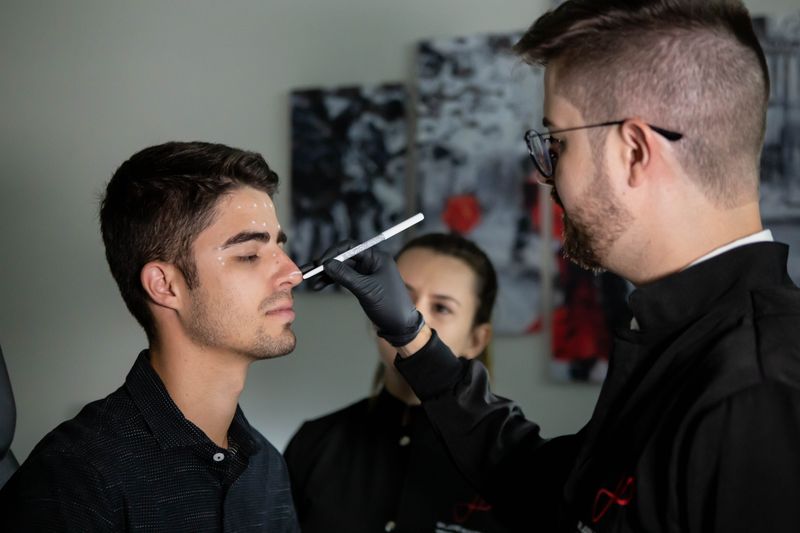
Describe the changes you want assessed →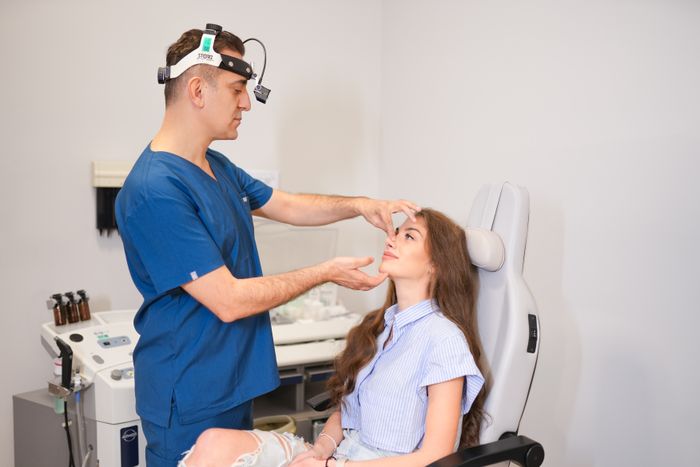 Hands-on examination: fahri tokcan / Pexels
Describe side-specific blockage, injury, allergy, sinus or smell symptoms, previous decongestant use, sleep concerns and changes during exercise. Examination may include the septum, turbinates and nasal valves; endoscopy or other tests are used only when clinically indicated.
Include your breathing concerns →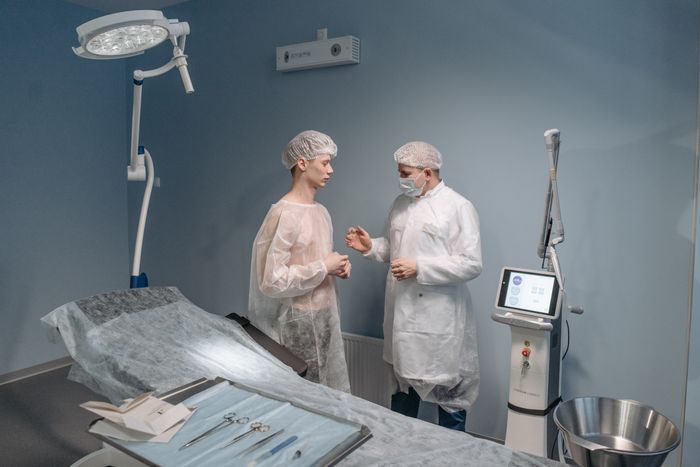 Treatment discussion: Pavel Danilyuk / Pexels
Disclose conditions, medicines, supplements, allergies, bleeding or clot history, smoking and nicotine, previous anaesthesia, nasal trauma, filler, threads and every earlier nose, sinus or septal operation.
Ask how to share your history securely →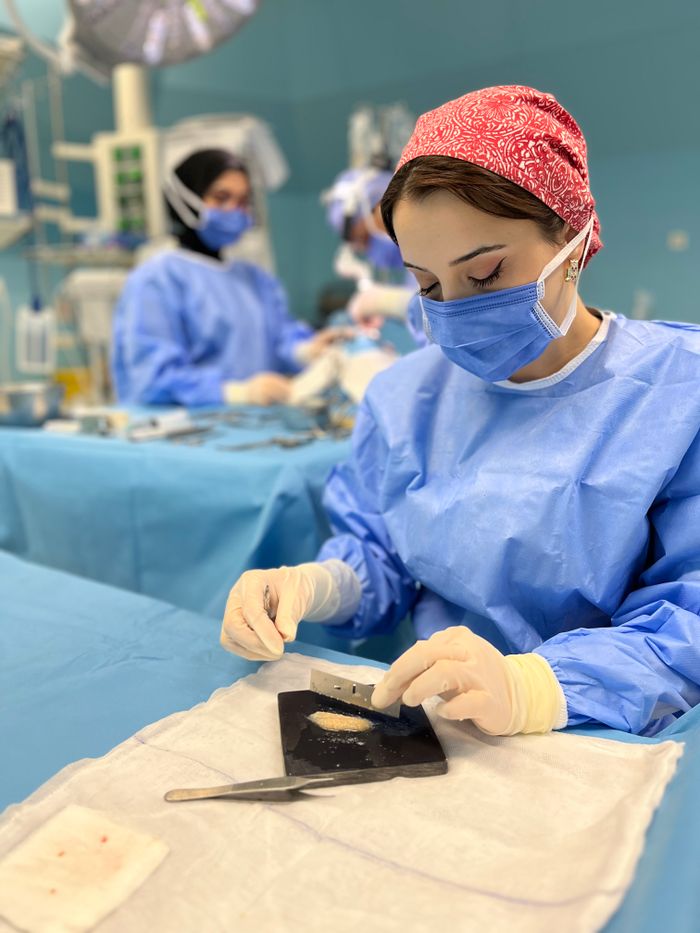 Surgical preparation: Zeynep Özata / Pexels
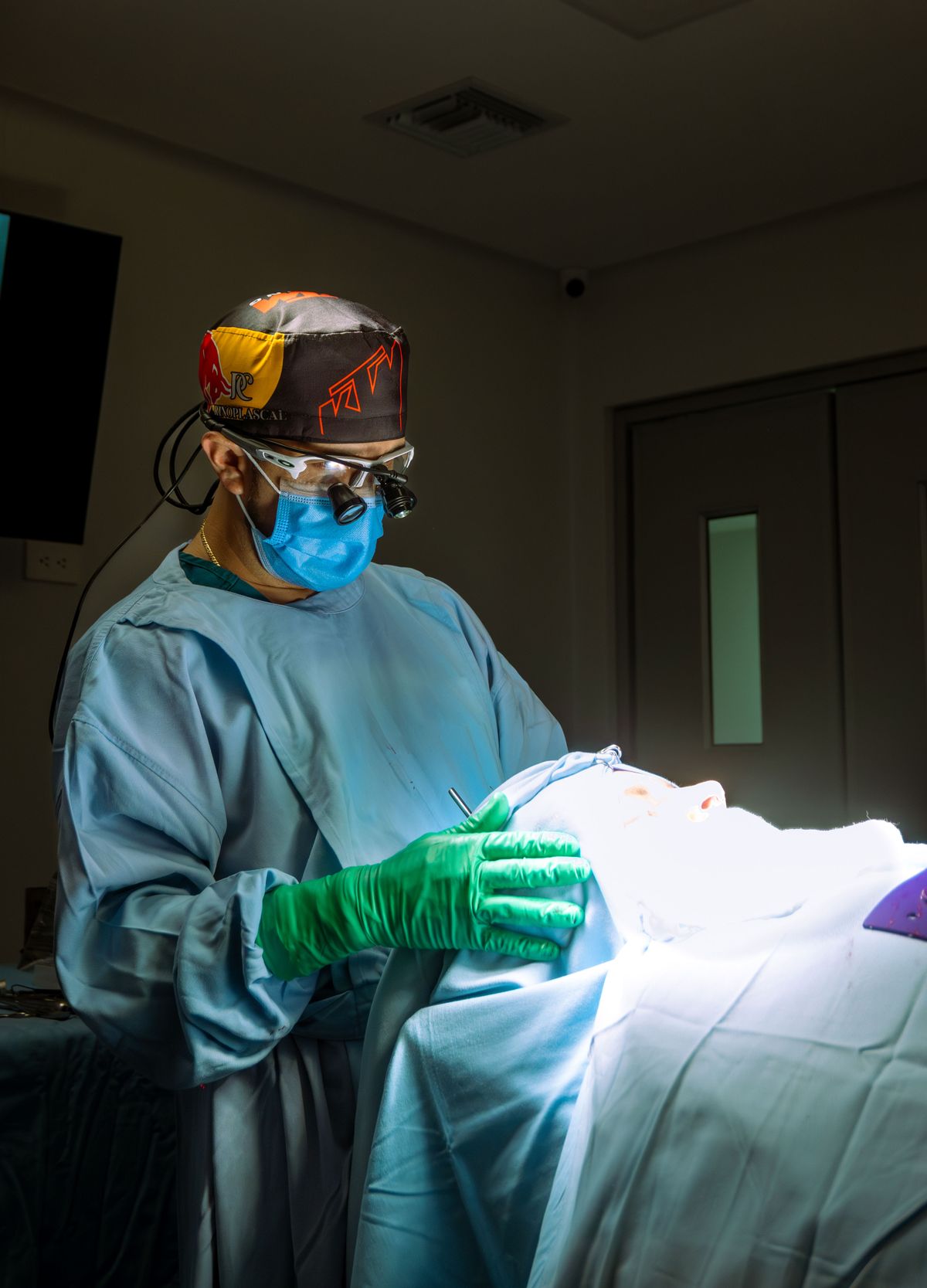
Confirm open or closed access, bone and cartilage work, graft source, airway components, anaesthesia, surgeon and hospital branch, overnight plan, splints or packing, review schedule and complication pathway.
Request an itemised clinical plan →For revision surgery, request prior operation reports and photographs where available. Scar tissue, missing or weakened cartilage, implants, grafts and an altered blood supply can materially change the plan.
Technique names describe access or tools—not a guaranteed result. Ask what the surgeon will do to your specific bridge, tip, septum, airway and support structures.
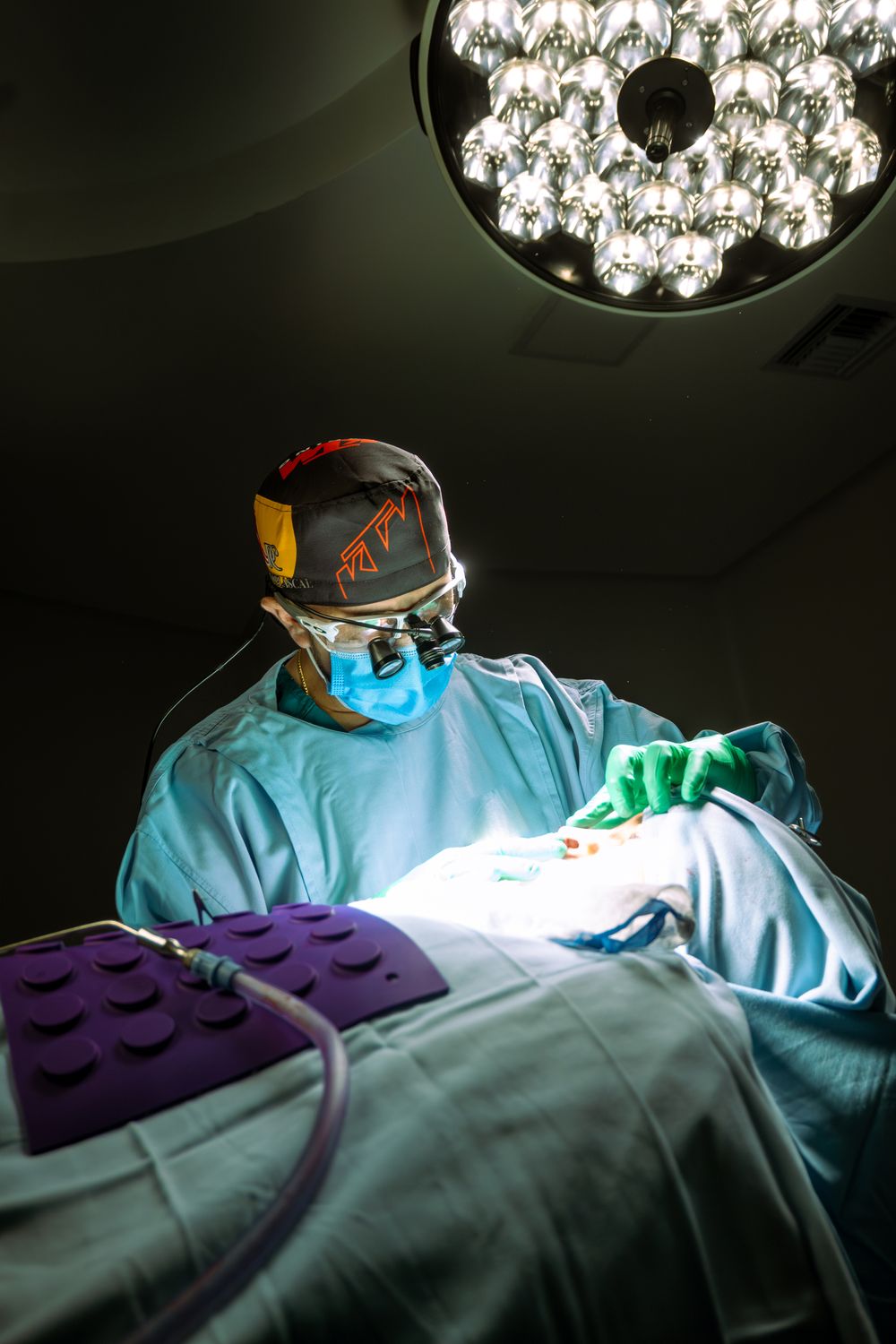

Adds a small incision across the columella between the nostrils to lift the skin and expose the framework. It can provide broad visibility but leaves an external scar and has approach-specific swelling and healing considerations.
Ask: scar position, closure and why this access is proposed.
Uses incisions inside the nostrils without a columellar skin incision. It may suit selected operations but does not mean scar-free internal healing, easier surgery or a better result.
Ask: whether the required tip, bridge and airway work can be completed through this access.
Describes techniques intended to preserve selected bridge or supporting structures rather than reconstructing them after removal. The label covers different methods and is not appropriate for every anatomy or revision case.
Ask: exactly what is preserved, modified or reconstructed.
Uses powered ultrasonic instruments for selected bone work. It does not perform every part of rhinoplasty and does not guarantee less bruising, faster recovery or a better result.
Ask: which steps use the device and which do not.
The correct term depends on both the goal and the structures treated. Confirm the complete operation rather than relying on a package title.
Changes selected visible nasal features and their structural support. Breathing must still be considered because shape and airway interact.
Confirm: bridge, tip, nostril, graft and support plan.
Corrects selected deviation of the septal wall to improve airflow. It may be performed alone and does not automatically include cosmetic reshaping.
Confirm: internal findings, cartilage preservation and expected breathing benefit.
Combines external reshaping with septal or other airway work when both are indicated. Each element needs separate goals, risks and expected outcomes.
Confirm: who evaluates and treats each functional structure.
May address persistent appearance, breathing or structural problems after earlier surgery. Scar tissue and limited cartilage can increase complexity and graft needs.
Confirm: prior records, healing status, graft source and the possibility of staged treatment.
The sequence is individualized. Surgical and flight dates should remain provisional until the treating team has reviewed your health, nose, airway and travel risks.
Clinical clearance also depends on bleeding, swelling, nasal support, internal healing, breathing, mobility, complications, flight duration and the treating surgeon’s review.
Suitability is individual. Facial growth, health, nicotine exposure, nasal anatomy, airway function, prior treatment, expectations and the ability to complete follow-up all matter.
General health, completed facial growth, stable conditions, safe anaesthesia, good healing potential and no nicotine support responsible planning.
The patient can describe priorities without expecting exact imitation, perfect symmetry, guaranteed breathing or a computer image reproduced precisely.
The plan includes adult support, safe accommodation, splint and internal-nose reviews, activity restrictions, fit-to-fly clearance and local care.
VIPmedi works with major hospital groups in Turkey. Availability, treating specialty, surgeon, branch, technique and suitability must be confirmed for the individual enquiry; a group name does not mean every branch offers the same service.
 Acıbadem
 Memorial
 Medical Park
 Medipol
 Medicana
For an individual introduction, use the Contact Us page. Ask for the proposed surgeon’s full name, specialty, branch, consultation method, airway-assessment pathway and written surgical plan before booking.
There is no responsible universal price without examination and a complete plan. Similar “nose job” offers can describe different appearance, airway, graft, facility and follow-up arrangements.
External swelling and bruising may improve before the internal nose and final contour settle. Tip definition and side-to-side differences can continue changing for many months and, in some cases, around a year or longer.
An external splint, tape, internal splints or packing may be used. Follow head elevation, medicine, hydration, eating, mouth-breathing and bleeding instructions.
Do not blow or pick the nose, alter packing, wet or remove the splint, wear pressure on the bridge, take unapproved medicines or use nicotine.
Driving, work, exercise, glasses, swimming, sun exposure and flying require individual clearance. Continue any prescribed saline or taping exactly as directed.
Swelling may fluctuate, particularly at the tip or in the morning. Continue appearance and breathing follow-up before judging the long-term result or revision need.
Use the Contact Us page to describe appearance and breathing goals, relevant health conditions, medicines and supplements, smoking or nicotine use, nasal injuries, filler and previous nose, septal or sinus surgery. Ask how the requested front, oblique, profile, base and smiling photographs and records should be shared securely.
Depending on anatomy and goals, rhinoplasty may change selected bridge, bony width, tip position or definition, projection, rotation, length, nostril or columellar features and structural support. It cannot create exact imitation, perfect symmetry or a result independent of skin, scar tissue and healing.
Rhinoplasty changes selected external nasal shape and support. Septoplasty corrects selected deviation of the internal septal wall to improve airflow. They can be performed separately or together, but one does not automatically include the other.
Only if the cause of obstruction is identified and an appropriate functional procedure is included. Blockage can involve the septum, nasal valves, turbinates, allergy, inflammation, scar tissue or other conditions. Cosmetic reshaping alone does not guarantee better breathing and may affect airflow.
Neither is universally better. Open access adds a columellar incision and broad exposure; closed access uses internal incisions. The choice depends on the required tip, bridge, septal, airway and revision work and the surgeon’s planned method. Ask why the proposed approach suits your nose.
Preservation rhinoplasty describes methods intended to retain selected bridge or support structures. Ultrasonic or piezo instruments perform selected bone work. These are technique or tool descriptions, not guarantees of less bruising, faster healing or a superior result.
No. They can help communicate priorities and limits, but they cannot reproduce skin behaviour, swelling, scar formation, cartilage response, asymmetry or healing. Ask the surgeon which illustrated changes are considered realistic and which are uncertain.
It is a broad, non-standard term often used when discussing nasal anatomy and goals in relation to a person’s inherited features and identity. It should never mean applying one template to a population. The plan should preserve or change only the features the individual has discussed and consented to.
When structural grafting is needed, cartilage may come from the nasal septum, ear or rib. Each source has limits and donor-site risks. Selected cases may involve an implant; confirm the exact material, product record, alternatives and infection, exposure or movement risks.
Prior surgery can leave scar tissue, altered blood supply, weakened or missing cartilage, grafts or implants and more limited options. Obtain previous reports and photographs where possible. The surgeon must assess whether healing is mature enough and whether extra grafts or staged treatment may be needed.
General anaesthesia is common, although intravenous sedation may be used in selected settings and operations. The choice depends on health, procedure extent, airway considerations, surgeon-anaesthetist planning and facility. Confirm who administers anaesthesia and what monitoring and postoperative care are available.
An external splint or tape and internal splints or packing may be used depending on the operation. Ask exactly what is planned, when each item is reviewed or removed, how to manage congestion and bleeding, and whom to contact if it shifts or causes concern.
The treating surgeon determines this after reviewing bleeding, swelling, internal and external support, splint or packing, breathing, mobility, complications, flight duration and clot risk. Do not rely only on a package or splint-removal date; fly after the required reviews and individual clearance.
Initial bruising and swelling may improve over weeks, while the bridge, nostrils and especially the tip continue refining for many months. Swelling can fluctuate and may take around a year or longer in some cases. Skin thickness, technique and revision surgery affect the course.
Confirm the named surgeon, anaesthetist, hospital and branch; appearance and airway procedures; approach; bridge and tip work; graft source or implant; anaesthesia; tests; admission; splints or packing; medicines; reviews; travel services; exclusions; emergency access and revision policy. Request operation and anaesthesia records before departure. Contact VIPmedi for an individual enquiry.
Tell us the appearance and breathing changes you want assessed, your relevant health and nasal-treatment history and when you hope to travel. VIPmedi can help coordinate the next appropriate enquiry with a participating partner hospital.
Use the contact page for your initial enquiry. Avoid sending identity documents or full medical records in the first message; ask how requested information should be shared securely.