Direct implantation. Individual donor planning.

DHI Hair Transplant in Turkey

Understand what DHI means, how grafts are harvested and implanted, who may be suitable, and what to confirm before arranging treatment through VIPmedi.

DHI commonly refers to placing follicular-unit grafts with an implanter device. It does not replace diagnosis, donor assessment, hairline design, or careful graft harvesting—and it is not automatically better than every other implantation approach.

Diagnosis firstDonor preservationDoctor-led plan

Photographs can support a preliminary review, but final suitability and graft planning require an in-person clinical assessment.

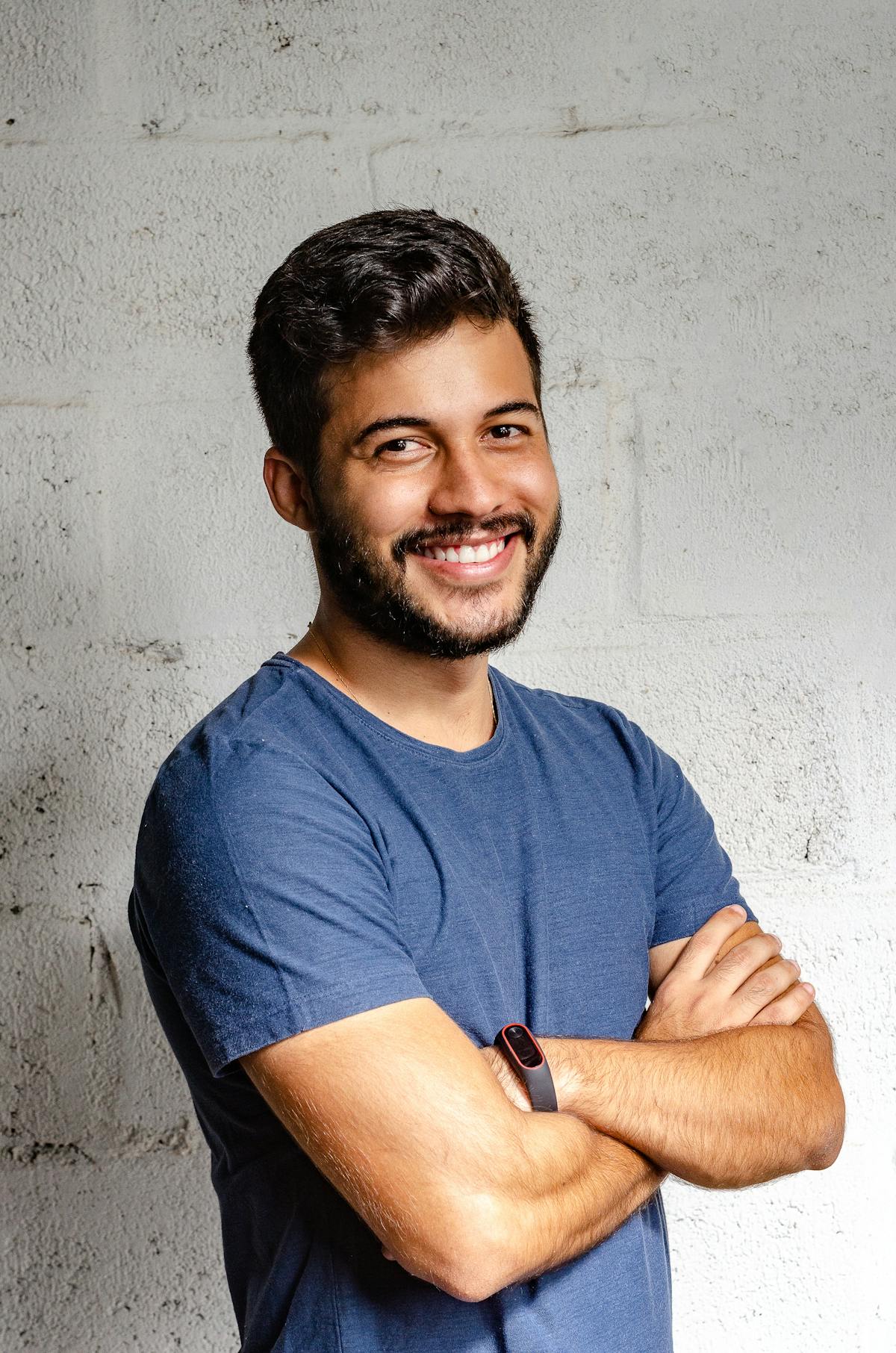
Smiling man with dark hair in a blue shirt
Hair-restoration planning is personalEditorial portrait by ITALO MELO / Pexels. The person shown is not a VIPmedi patient and the image does not represent a treatment result.
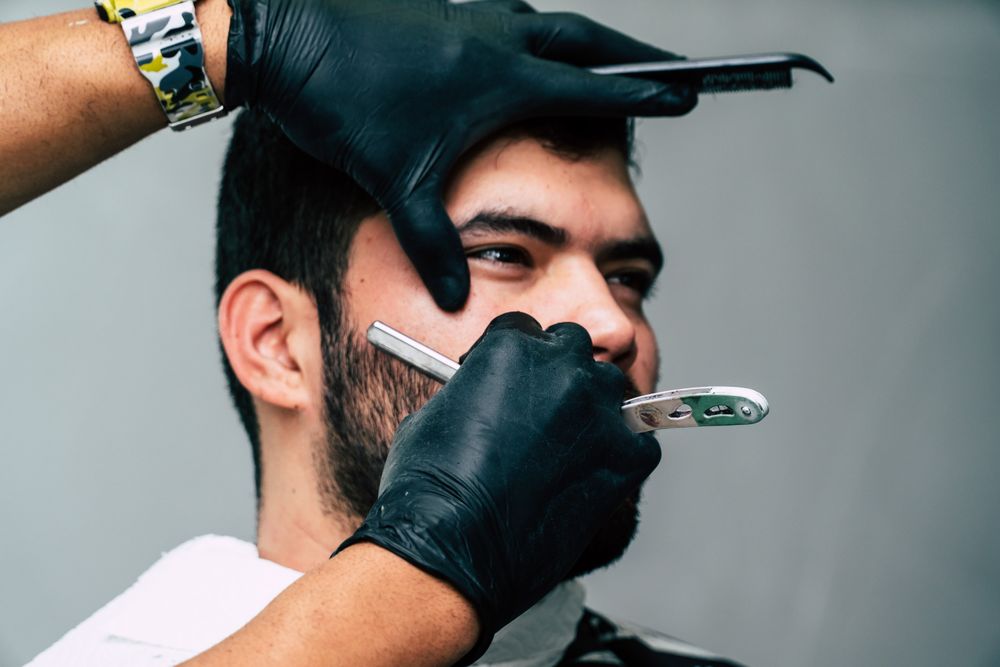
Mature man with short hair looking toward the camera
Editorial portrait: Nathan Cowley / Pexels
Technique without the marketing fog

What “DHI” actually describes

In most DHI procedures, follicular units are removed individually from the donor area—commonly using follicular unit excision, or FUE. The grafts are then loaded into implanter devices and placed into the recipient area.

The implanter can create the recipient opening and place the graft in one action. The clinician still has to plan distribution, angle, direction, depth, hairline, and donor use.

Terminology varies between providers. Ask for the complete protocol rather than relying on the label “DHI”: harvesting method, device, team roles, graft-handling process, and who is responsible for each surgical stage.

01DHI commonly means implantationIt usually describes how prepared grafts are inserted.
02FUE may harvestIndividual follicular units commonly come from FUE extraction.
03Planning comes firstDiagnosis, donor capacity, hairline, and future loss shape the plan.
04Results take timeEarly shedding and gradual growth are part of the usual course.
Suitability before scheduling

Who may be considered for DHI implantation?

The diagnosis and long-term pattern matter more than the name of the implantation device.

Factors that may support treatment

  • A confirmed form of hair loss that can reasonably benefit from transplantation
  • A donor area with sufficient density, calibre, distribution, and scalp health
  • A realistic goal for hairline, coverage, density, and future ageing
  • Medical conditions and medicines reviewed before local anaesthesia and surgery
  • Willingness to follow washing, activity, medicine, and follow-up instructions

Reasons to investigate or postpone

  • Unexplained, sudden, active, diffuse, patchy, or inflammatory hair loss
  • Scalp infection, uncontrolled dermatitis, suspected scarring alopecia, or alopecia areata
  • Insufficient donor supply for the requested coverage or an unsafe density target
  • Uncontrolled medical conditions, bleeding concerns, or medicines needing clinical review
  • Expectations based on edited photographs, guaranteed graft survival, or an exact copied hairline
Hair transplantation redistributes existing follicles; it does not create new donor hair. A plan should account for likely future loss and preserve options for later treatment.
A complete procedure, not only an implanter pen

How a DHI hair transplant is typically planned

Details vary by patient, hospital, physician, device, and protocol. Your treating team should explain the exact sequence.

01

Diagnosis & donor review

The clinician reviews the hair-loss pattern, scalp, donor density, hair calibre, previous treatment, medical history, and future-loss risk.

02

Hairline & distribution

The design considers age, facial proportions, existing hair, likely progression, available donor supply, and priority areas.

03

Anaesthesia & preparation

The treatment areas are prepared and local anaesthesia is administered according to the clinical plan and safety checks.

04

Follicular-unit extraction

Grafts are commonly removed one by one using an FUE punch. Extraction pattern and donor spacing affect long-term appearance.

05

Sorting & graft care

Follicular units are inspected, counted, protected from drying and trauma, and organised for the planned recipient areas.

06

Implanter placement

Grafts are loaded into implanters and placed at planned angles, directions, depths, and spacing. The team records the completed procedure.

Compare complete protocols

DHI, FUE, Sapphire FUE, and FUT: different parts of the procedure

Marketing often presents these as four equivalent choices. They do not all describe the same surgical stage.

TermUsually describesWhat to confirmImportant limitation
DHIImplantation with an implanter device that can create the opening and place the graft.How grafts are harvested, implanter type, loading method, team roles, and placement responsibility.The label alone does not prove higher density, survival, naturalness, or no-shave treatment.
FUERemoval of individual follicular units with small punches.Punch method and size, extraction pattern, donor limits, transection control, and implantation method.FUE describes harvesting; recipient openings and placement still need explanation.
Sapphire FUEA marketed FUE protocol in which sapphire blades may be used to create recipient channels.Which tool is used at each stage and why it is appropriate for the planned area.Blade material does not replace diagnosis, design, donor management, or surgical skill.
FUTRemoval of a donor strip followed by microscopic graft preparation.Scar placement, closure method, donor laxity, graft preparation, and whether FUT fits long-term goals.It leaves a linear donor scar but can be appropriate in selected plans.
DHI and FUE can be used in the same operation. The grafts may be harvested by FUE and implanted with DHI implanters. Ask the physician to describe both stages.
The device does not design the result

Six factors that shape a credible DHI plan

01

Correct diagnosis

Different hair-loss disorders need different management. Transplanting into active disease can produce poor or unstable results.

02

Donor capacity

Density, calibre, colour contrast, curl, miniaturisation, previous extraction, and scalp visibility affect safe supply.

03

Age-appropriate design

A conservative hairline can protect donor reserves and remain credible as the face and surrounding hair change.

04

Angle & direction

Natural placement follows regional growth patterns, including the transition zone, temples, mid-scalp, and crown swirl.

05

Graft handling

Careful extraction, hydration, storage, loading, implantation, and reduced trauma support graft viability.

06

Long-term strategy

Existing hair may continue to thin. Medical management, future procedures, and remaining donor supply should be discussed.

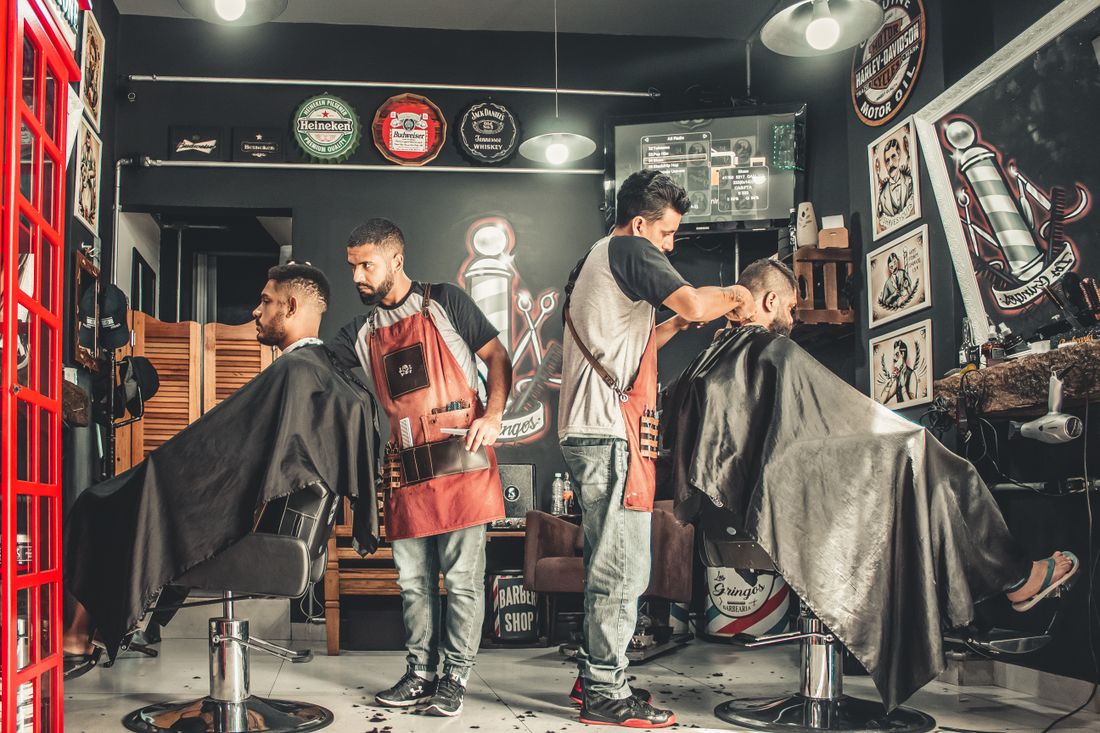
Barbers working with clients in a traditional barber shop
Hair and styling context: Pexels
Donor hair is finite

Do not choose a plan from the graft number alone

A larger advertised number is not automatically safer or better. Grafts contain different numbers of hairs, and coverage depends on hair calibre, curl, colour contrast, recipient size, existing hair, placement pattern, and donor limits.

Ask for separate estimates for the hairline, frontal zone, mid-scalp, and crown; the proposed donor boundaries; how extraction will be distributed; and what reserve remains if hair loss progresses.

Overharvesting can leave visible thinning, patchiness, or scarring in the donor area. A responsible plan protects both the recipient and donor appearance.

Our hospital network

Hair restoration through our partner groups

VIPmedi works with Acıbadem, Memorial, Medical Park, Medipol, and Medicana. We help coordinate an enquiry with a relevant facility and hair-restoration team.

Acıbadem logoAcıbadem
Memorial logoMemorial
Medical Park logoMedical Park
Medipol logoMedipol
Medicana

The hospital, branch, affiliated brand, physician, hair-restoration team, DHI protocol, and date are confirmed for the individual case. Not every branch provides every technique.

Your visit to Turkey

From first photographs to planned follow-up

01Contact VIPmediShare clear hair and donor photographs, history, medicines, previous procedures, and travel period.
02Preliminary reviewA partner team reviews the information and may request more photographs, tests, or consultation.
03Confirm detailsReview the named facility, responsible physician, proposed protocol, estimate, inclusions, and exclusions.
04Examine & decideComplete the in-person assessment, final hairline, donor plan, consent, and clinical safety checks.
05Recover & reportAttend early review and leave with washing instructions, medicines, records, photos, and follow-up contacts.
Keep the itinerary flexible. A changed diagnosis, unsuitable donor findings, scalp inflammation, clinical test result, or healing concern may alter or postpone treatment. Do not treat a preliminary estimate as final approval.
A quote should explain the complete procedure

What affects DHI hair-transplant cost in Turkey?

Cost depends on the clinical plan and provider—not simply the word DHI or an advertised maximum graft number.

Responsible clinicianConsultation, diagnosis, hairline design, operative responsibility, and follow-up
Donor & recipient planAreas treated, estimated graft distribution, complexity, and previous surgery
Extraction protocolFUE method, punch approach, donor management, and graft preparation
DHI implantationImplanter system, number of devices, loading process, and procedure time
Facility & medicinesProcedure room, local anaesthesia, tests, medicines, washing, and early reviews
Documented travel supportOnly specified transfers, accommodation, translation, exclusions, and extra nights
Before paying, request a written plan. Confirm the hospital and branch, responsible physician, approximate graft range, areas treated, harvesting and implantation methods, who performs each stage, included medicines and reviews, travel services, cancellation terms, and complication arrangements.
Healing first, growth later

A realistic DHI recovery and growth timeline

Timelines vary. The treating team’s instructions and examinations take priority over generic online schedules.

01First days

Protect the grafts

Redness, crusting, tenderness, numbness, and swelling can occur. Use the prescribed medicines and washing method.

02First weeks

Early healing

Crusts usually clear according to instructions. Transplanted hairs may shed; do not pick, scratch, or add products without approval.

03Following months

Gradual emergence

New growth commonly begins gradually rather than all at once. Texture, direction, and coverage continue to evolve.

04Later maturation

Assess over time

Density and calibre can continue changing for many months. Crown areas may mature later than the frontal region.

Contact the treating team promptly for increasing pain, spreading redness, pus, fever, heavy or persistent bleeding, marked swelling, rash or breathing difficulty, blackening skin, or any symptom the discharge instructions identify as urgent. Seek immediate local medical care for a serious or rapidly worsening problem.
Informed consent matters

Risks, limitations, and future hair loss

DHI is still a surgical hair-transplant procedure. An implanter device does not remove surgical risk.

Possible medical and healing issues

  • Pain, bleeding, swelling, crusting, itching, temporary numbness, or altered sensation
  • Infection, folliculitis, inflammation, delayed healing, or reaction to medicines or anaesthesia
  • Temporary shedding of transplanted or nearby existing hair
  • Small scars in the donor and recipient areas; raised or problematic scars in susceptible people

Possible aesthetic and planning issues

  • Lower-than-expected growth, uneven density, visible gaps, or need for additional treatment
  • Unnatural hairline, incorrect angle or direction, plugging, pitting, ridging, or cobblestoning
  • Patchy donor appearance or visible thinning after excessive or poorly distributed extraction
  • Continued loss of non-transplanted hair, creating contrast around the transplanted area
Clear answers before you travel

DHI hair-transplant FAQs

Is DHI the same as FUE?

No. FUE usually describes harvesting follicular units individually. DHI commonly describes implantation with an implanter. A DHI procedure may therefore use FUE to harvest the grafts.

Is DHI better than FUE?

That comparison is incomplete because they can describe different stages of one operation. The appropriate protocol depends on diagnosis, donor supply, recipient area, hair characteristics, team experience, and the complete surgical plan.

Does DHI always mean no shaving?

No. Full, partial, or limited shaving depends on the harvesting and implantation plan, hair length, treatment area, graft requirement, and team protocol. Ask which donor and recipient areas will be trimmed.

What is a DHI or Choi implanter pen?

It is a device used to hold and implant a follicular-unit graft. Several implanter designs and sizes exist. Ask which device will be used, who loads it, who places the grafts, and how the team protects them from trauma and drying.

Can photographs confirm my suitability and graft number?

Photographs can support an initial review, but they cannot fully show donor density, miniaturisation, scalp disease, scarring, hair calibre, or medical suitability. The final plan requires clinical assessment.

How many grafts will I need?

There is no responsible universal number. It depends on the area, existing hair, donor supply, hair characteristics, desired coverage, future-loss risk, and whether more than one procedure may be needed. Grafts and hairs are not the same measurement.

Does hair grow back in the donor extraction sites?

The follicles removed from individual extraction sites do not regenerate there. Remaining donor hair can help camouflage the sites, which is why extraction distribution and safe donor limits matter.

Is transplanted hair permanent?

Transplanted follicles often retain characteristics of the donor region, but no result should be guaranteed for life. Growth can vary, ageing continues, and non-transplanted hair may keep thinning.

Will the procedure be painful?

Local anaesthesia is commonly used. Injections and parts of the procedure or early recovery can be uncomfortable, and experiences vary. Ask about the anaesthesia plan, monitoring, medicines, and what happens if you feel pain.

When will I see growth?

Transplanted hairs commonly shed during early healing. New growth then appears gradually over months, with later maturation of calibre and coverage. The crown can progress more slowly. Your team should provide a case-specific review schedule.

Can DHI achieve higher density?

An implanter may be useful for selected placement plans, but safe density depends on blood supply, recipient condition, graft size, existing hair, donor limits, angle, spacing, and team technique. “Maximum density” is not automatically the safest target.

How long should I stay in Turkey?

The partner team determines the required schedule for consultation, procedure, washing, and early review. Keep travel flexible because examination findings or healing concerns can change the plan.

What records should I receive?

Request the diagnosis, responsible clinician and facility, operative record, actual graft count and treated areas, harvesting and implantation methods, medicines, washing instructions, warning signs, emergency contact, and follow-up plan.

How do I request an individual DHI plan?

Use the VIPmedi Contact Us page. Include clear photographs of the front, both temples, top, crown, and donor area; your age; hair-loss history; medicines; medical conditions; previous hair procedures; and preferred travel period.

Take the next step

Let’s discuss DHI hair transplantation in Turkey

Tell us about your hair loss, previous treatment, medical history, and travel period. VIPmedi can help coordinate an initial enquiry with an appropriate partner team.

Contact VIPmedi Email: [email protected]

Use the contact page for your initial enquiry. Do not send urgent medical problems through a website form.