Lower-face and neck rejuvenation

Facelift in Turkey

Explore facelift surgery with an anatomy-led assessment of the jawline, jowls, lower face and neck; a named technique; a clearly drawn incision plan; and coordinated recovery and follow-up.

A facelift, also called rhytidectomy, repositions selected facial tissues and removes carefully planned excess skin. It does not automatically include the neck, brow, eyelids, fat transfer or skin resurfacing, and it cannot stop the ageing process.

Exact surgical mapScar and hairline planSafe travel timing

Final suitability, technique, incision pattern, anaesthesia, hospital stay, combined procedures, recovery and fit-to-fly timing require an examination and written plan from the treating plastic surgeon and anaesthesia team.

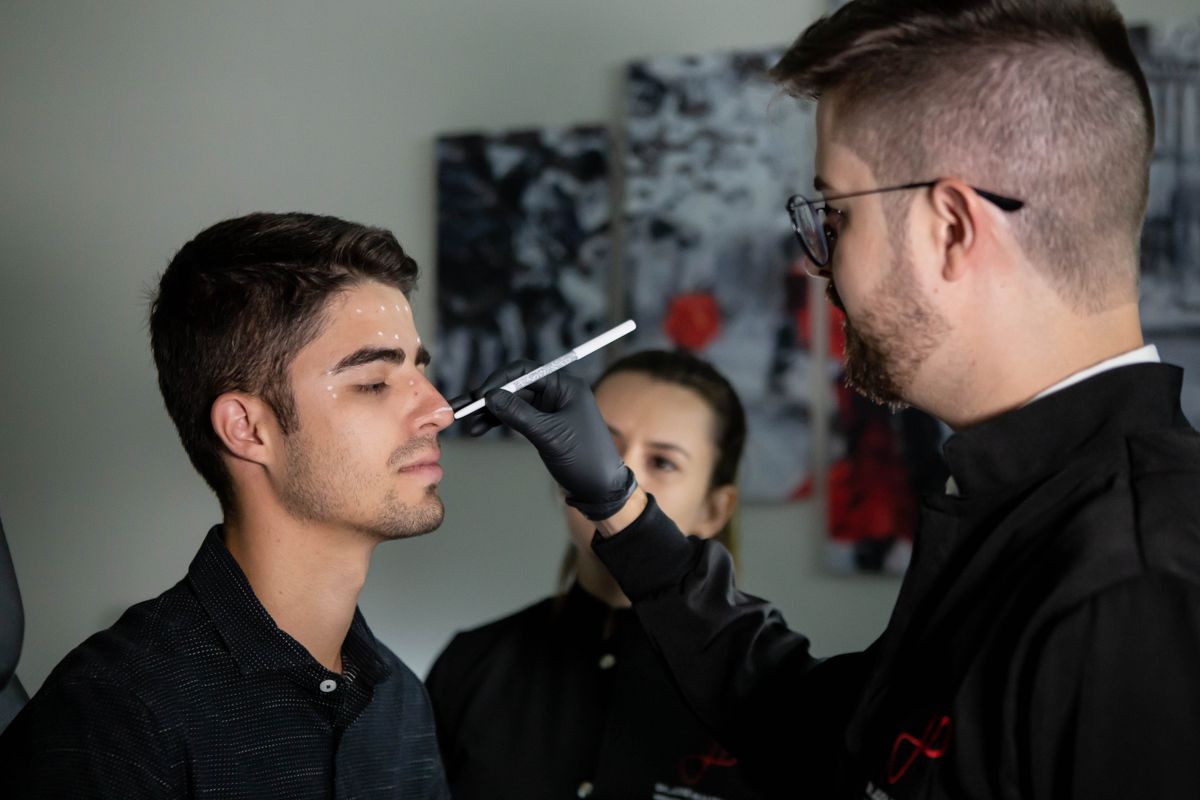
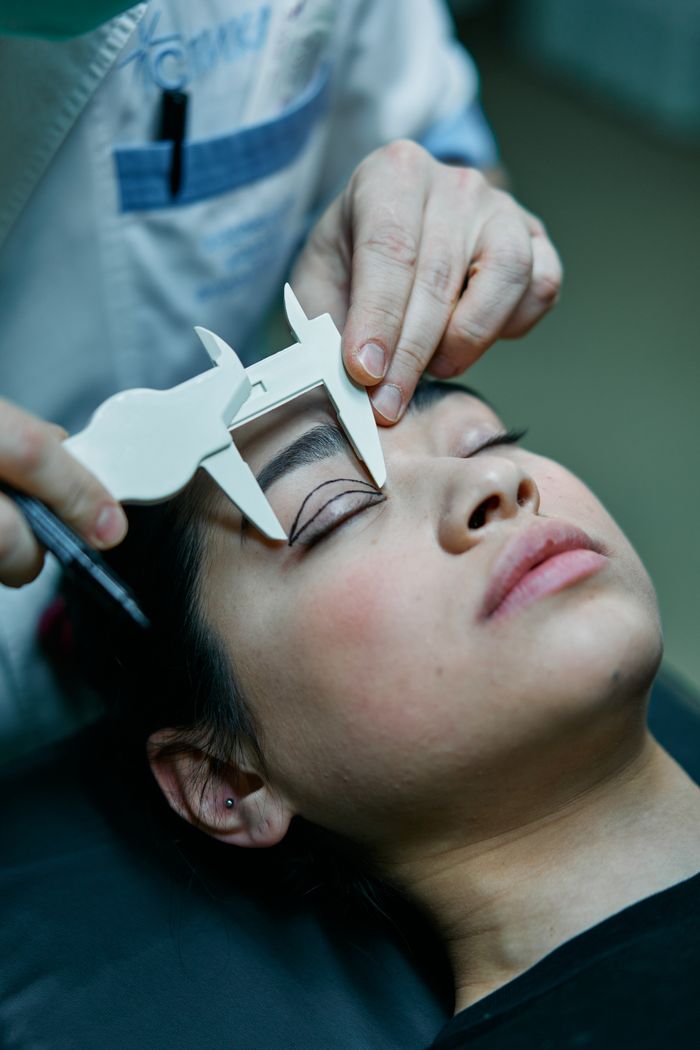
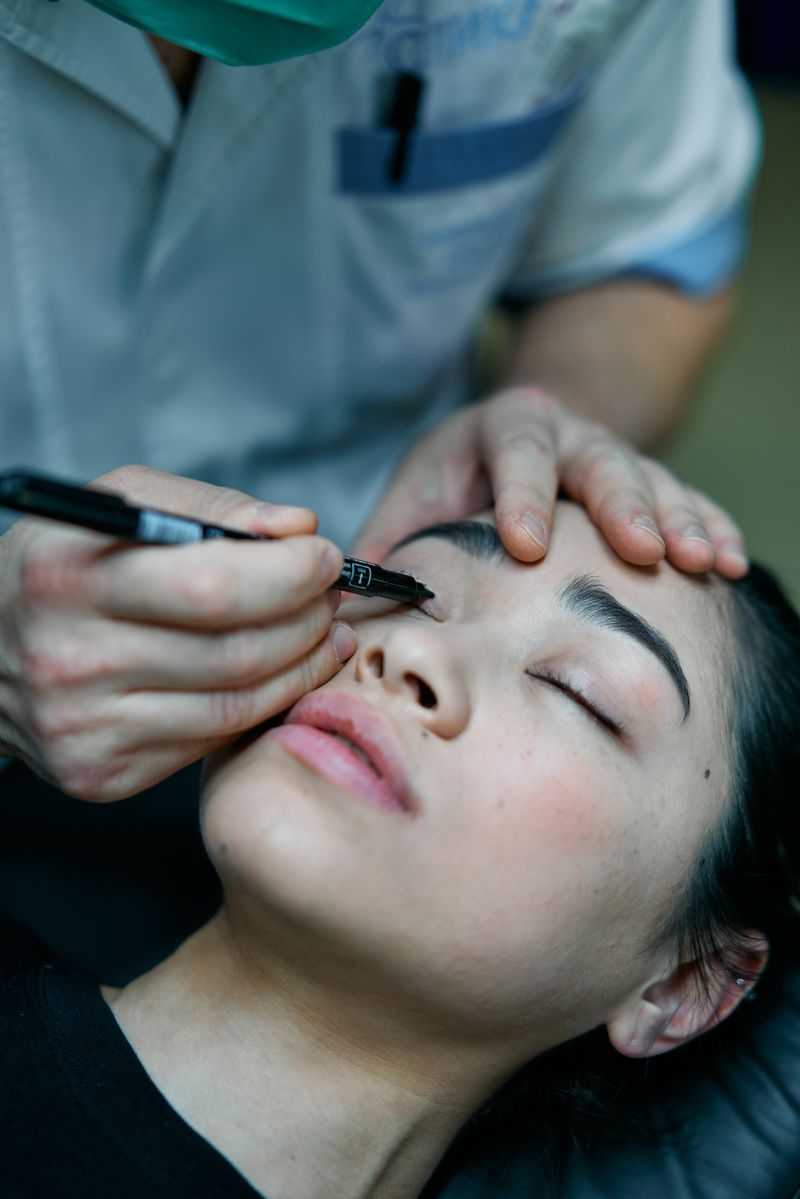
Clinician drawing preoperative markings on a patient’s lower face and neck
Facial surgical planningPhoto by Lucas Guimarães Bueno / Pexels. Editorial illustration; not a VIPmedi patient, partner facility, treatment, case or result.
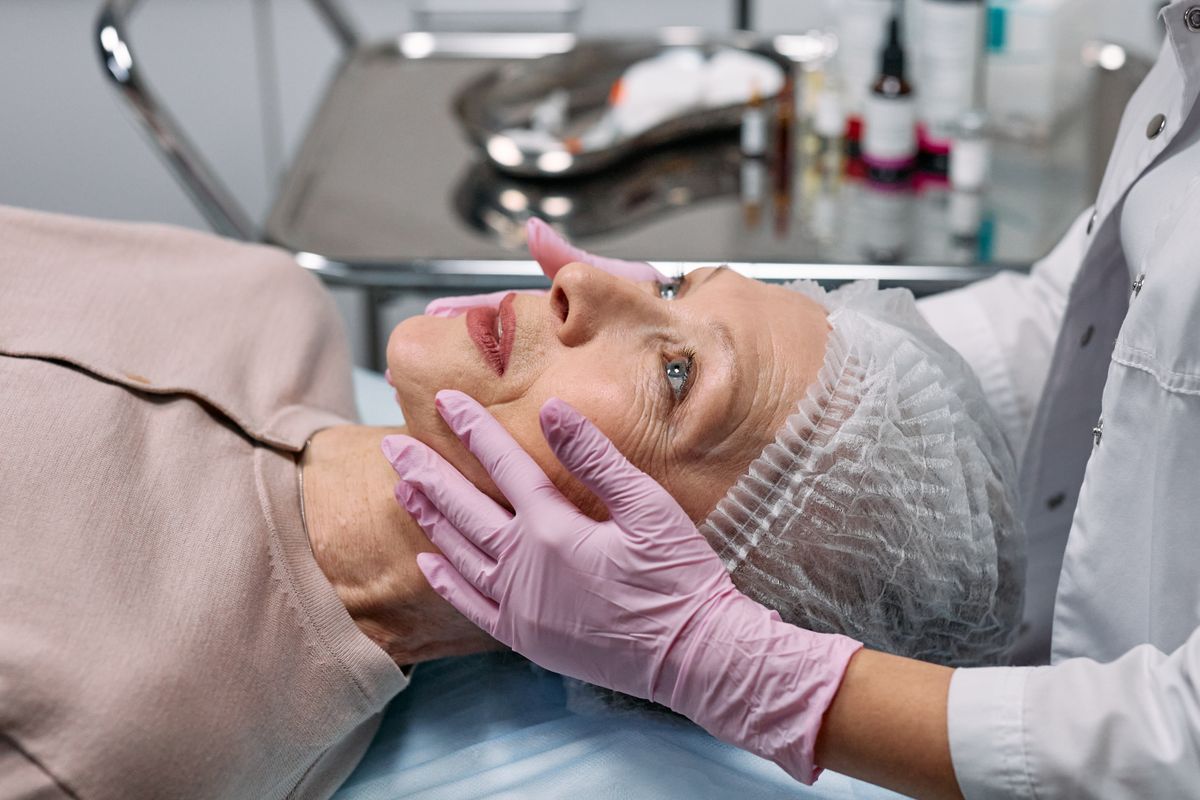
Medical professional examining an older woman’s face in a clinical setting
Facial assessment: cottonbro studio / Pexels
Repositioning—not simply tightening skin

What is a facelift?

A facelift is a surgical procedure designed to improve selected signs of ageing in the face and, depending on the plan, the upper neck. Incisions allow the surgeon to reposition deeper soft tissues, redrape skin and remove only the planned excess.

The operation commonly focuses on jowls, lower-face laxity and loss of jawline definition. Neck skin, platysma bands and fat beneath the chin may require a neck-lift component, platysma surgery or liposuction rather than being assumed within the word “facelift.”

Age alone does not determine candidacy. Skin quality, tissue position, facial volume, bone structure, asymmetry, hairline, ear anatomy, previous treatments, general health and expectations all affect the plan.


Define the operation before comparing offers

What a facelift can—and cannot—treat

“Full facelift” is not a precise anatomical description. Ask the surgeon to identify every treated region, incision and separate adjunct in writing.

Common focus

Lower face & jowls

A facelift may reposition descended soft tissue and improve jowls and jawline definition. The exact effect on cheeks, nasolabial folds and marionette lines varies with anatomy and technique.

Confirm: which layers and facial zones are included.

May be a separate component

Neck & under-chin area

Loose neck skin, platysma bands, submental fat and deeper neck structures require individual assessment. A neck lift, platysmaplasty, liposuction or an incision under the chin may be proposed.

Confirm: whether the neck is included and how it will be treated.

Separate operations

Brow & eyelids

A lower-face facelift does not automatically lift the brow or remove eyelid skin or fat. Brow lift and blepharoplasty have different incisions, risks, recovery details and consent.

Confirm: each additional procedure separately.

Different treatment category

Texture, fine lines & volume

Facelift surgery does not directly correct sun damage, pores, pigmentation or every fine line. Volume loss may be addressed with fat transfer or filler; skin quality may need resurfacing or dermatologic care.

Confirm: what will remain after surgery.

Ask for a face-and-neck surgical map. It should show the planned lift zones, incision paths, direction of tissue repositioning, under-chin access if any, fat removal or transfer, and each separate brow, eyelid or skin treatment.
The plan starts with the whole treatment history

Four parts of a responsible facelift assessment

Photographs can begin a discussion, but hands-on examination is needed to assess skin, soft-tissue mobility, scars, facial movement and the neck.

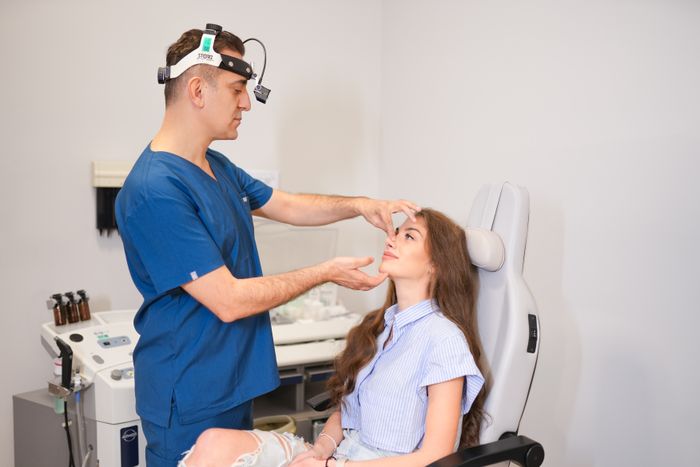
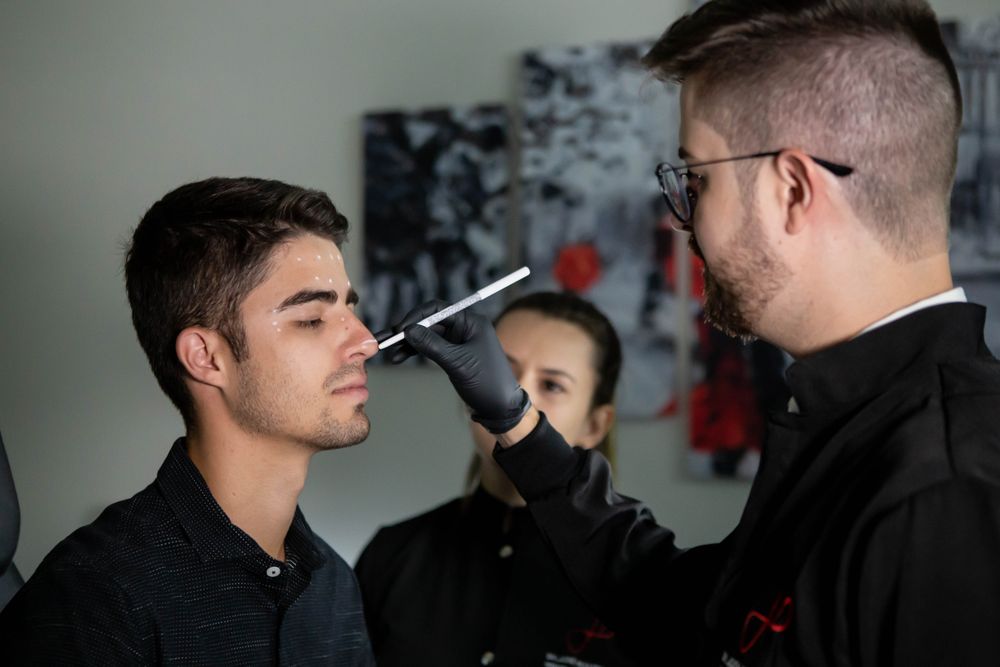
Plastic surgeon examining a patient’s facial profile in a modern clinicProfile assessment: fahri tokcan / Pexels

Goals, anatomy & asymmetry

Identify the concern from front, oblique, profile and neck views. The surgeon assesses skin laxity, jowls, facial fat, jawline, platysma bands, submental fullness, bone structure, facial movement and pre-existing asymmetry.

Describe the changes you want assessed →
Doctor and patient discussing a surgical procedure during a clinical consultationClinical consultation: Pavel Danilyuk / Pexels

Health, medicines & nicotine

Medical conditions, blood pressure, bleeding or clot history, anaesthesia history, allergies, medicines, supplements, smoking and all nicotine exposure can affect eligibility, wound healing, haematoma risk and preparation.

Ask how to share your history securely →
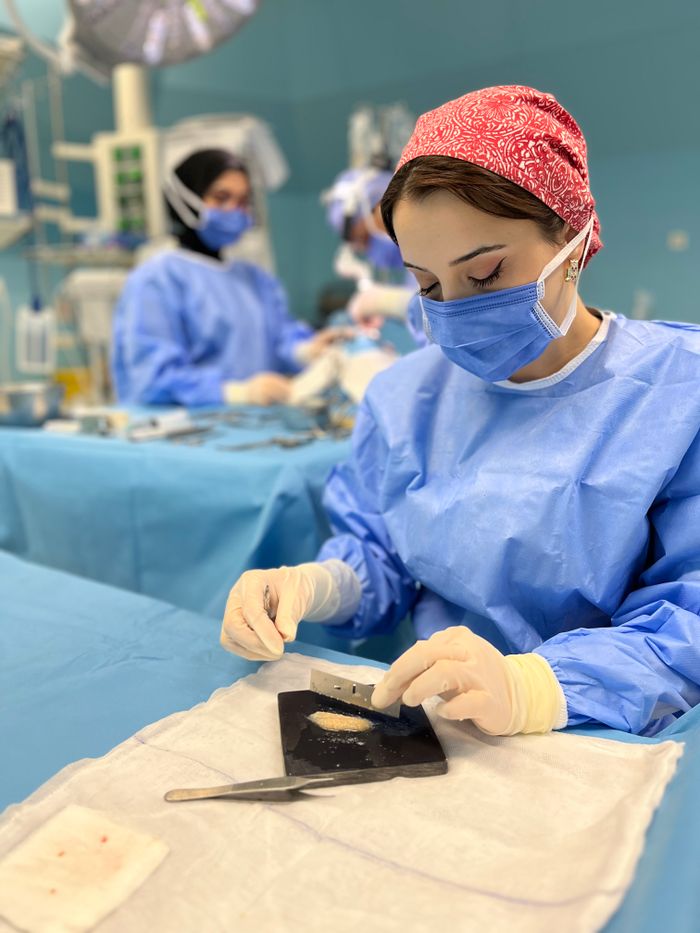
Surgeon preparing for an operation in a modern operating roomSurgical preparation: Zeynep Özata / Pexels

Previous facial treatment

Disclose earlier facelift or neck surgery, fillers, fat grafting, threads, implants, toxin injections, lasers, ultrasound or radiofrequency devices, scars and complications. These can change tissue planes, circulation and expectations.

Start an individual treatment review →

Bring or request dates, product names, device names and procedure reports where available. Do not stop prescribed medicines or nicotine without instructions from the treating team.

Technique should follow anatomy—not advertising

Mini, SMAS and deep-plane facelift terminology

These labels describe broad surgical approaches, but details vary between surgeons. Ask what will actually be dissected, released, repositioned, fixed and removed.

Variable label

Limited-incision or “mini” facelift

Usually describes shorter incisions and a more limited dissection for selected, often less extensive laxity. It is still surgery; the name does not define a standard operation, anaesthetic or recovery.

Ask: which areas will not be treated and where every incision ends.

Deeper support layer

SMAS facelift

The superficial musculoaponeurotic system may be folded, tightened, partially removed or elevated as a flap. Different SMAS methods redistribute deeper support and reduce reliance on skin tension.

Ask: the specific SMAS method and its rationale for your face.

Deeper dissection

Deep-plane facelift

This approach works beneath the SMAS in selected regions and may release facial retaining ligaments. “Deep plane” is not automatically best, safer, longer lasting or more natural for every patient.

Ask: surgeon-specific training, case selection and nerve-risk discussion.

Adjunct or separate plan

Neck, fat & skin procedures

Neck lift, platysmaplasty, liposuction, fat transfer, brow or eyelid surgery and resurfacing may be proposed. Each changes the total operation, risk, scars, cost and recovery.

Ask: whether staging is safer than combining procedures.

Technique names do not predict the result on their own. Surgeon selection, examination, tissue quality, scar design, anaesthesia, facility, complication readiness, aftercare and realistic goals remain essential.
Match the treatment to the anatomical concern

Facelift, neck lift, eye surgery, or non-surgical care?

Several treatments may be discussed, but they address different structures and should not be treated as interchangeable.

Lower-face surgery

Facelift

Primarily considered for jowls, lower-face laxity and jawline change. Depending on the operation, it may extend into the upper neck.

Does not automatically treat: brow, eyelids, skin texture or all volume loss.

Neck-focused surgery

Neck lift

Addresses selected loose neck skin, platysma bands and under-chin contour. Incisions may extend around the ears and, when needed, beneath the chin.

May include: platysma surgery or carefully selected liposuction.

Upper-face surgery

Brow lift or blepharoplasty

A brow lift changes brow position; blepharoplasty treats selected eyelid skin or fat. Neither is a substitute for lower-face surgery.

Review: eye health, brow position and each operation’s separate risks.

No facelift incisions

Filler, toxin & skin treatments

Injectables and energy or resurfacing procedures may address selected volume, movement lines or skin quality. Effects, risks and durability differ from surgery.

Review: whether previous treatment changes surgical timing or planes.

From records to local follow-up

How facelift treatment is commonly organised

The sequence is individualized. Surgical and flight dates should remain provisional until the treating team has reviewed your health, anatomy and travel risks.

01
Secure enquiryShare goals, health and treatment history and ask how requested photographs and records should be sent.
02
Clinical reviewA participating team reviews suitability, alternatives, preliminary technique and any tests or in-person examination needed.
03
Written planConfirm surgeon, hospital branch, incisions, face and neck zones, adjuncts, anaesthesia, admission, estimate and exclusions.
04
Surgery & reviewsComplete examination and consent, then follow the agreed operation, monitoring, wound, drain and review plan.
05
Travel & follow-upFly only after clinical clearance and continue planned reviews with records and an emergency pathway at home.
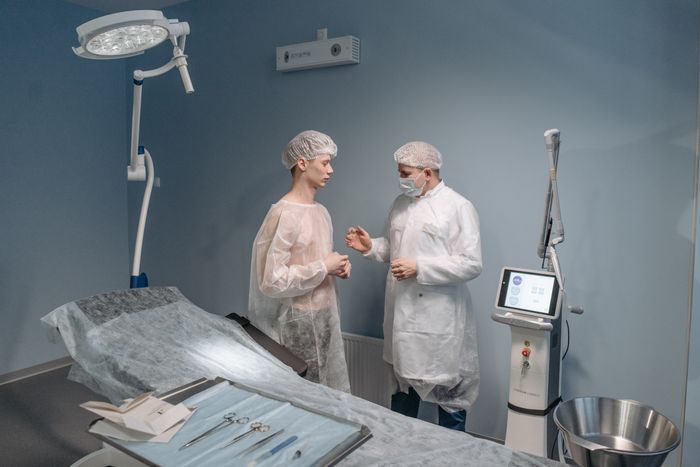
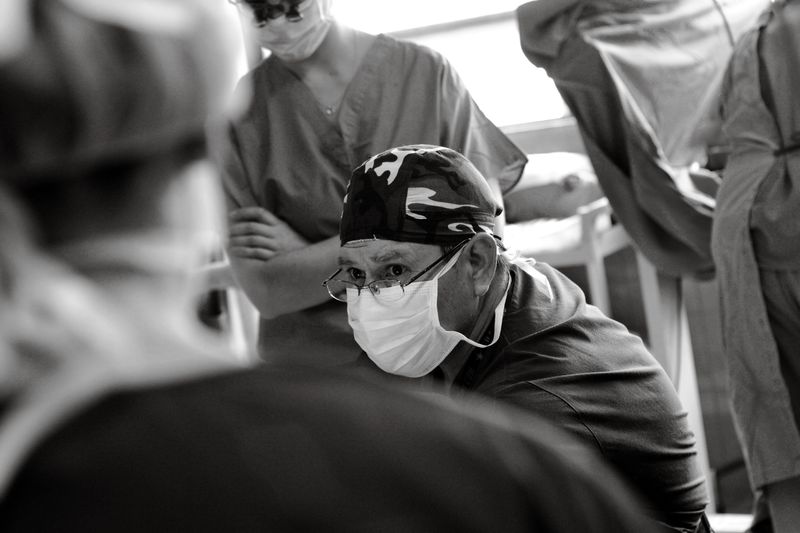
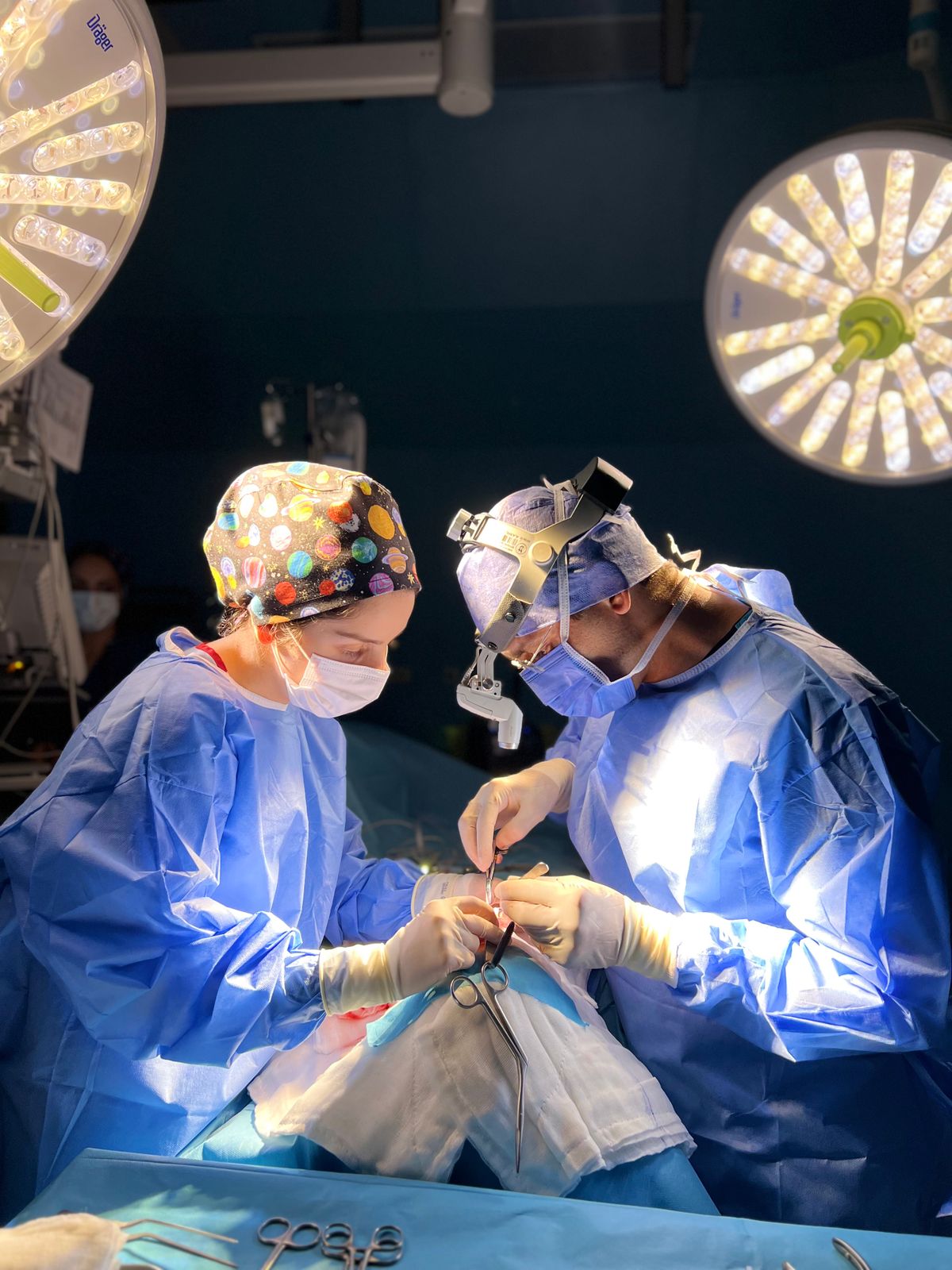
Two surgeons working together beneath operating lights in a sterile operating room
Surgical team and setting: Zeynep Özata / Pexels
Medical travel is not a routine holiday.

Plan help with bags and daily tasks, avoid nicotine and unapproved activities, know how to reach the treating team urgently, and arrange local follow-up before leaving home.

Plan Your Enquiry
Informed consent includes uncommon but serious events

Who may be considered—and what risks must be discussed

Suitability is individual. A healthy patient with a clearly defined concern and realistic expectations may still have reasons to delay, modify or avoid surgery.

Health & healing

General health, stable conditions, blood-pressure control, nutrition, ability to heal, and safe anaesthesia and clot-risk assessment support planning.

Anatomy-led goals

The desired change should correspond to structures surgery can reasonably address, with acceptance of scars, residual asymmetry and the limits of the operation.

Recovery support

A responsible plan includes adult support after surgery, time for reviews, activity restrictions, safe accommodation, travel clearance and local follow-up.

Reasons to pause, optimize or reconsider

  • Smoking, vaping or other nicotine exposure
  • Uncontrolled medical conditions or blood pressure
  • Active infection or untreated skin disease
  • Medicines or supplements needing clinical review
  • Unrealistic or externally pressured expectations
  • Recent filler, threads, energy treatment or surgery
  • No safe recovery support or emergency plan
  • Travel dates that conflict with clinical clearance
Core surgical risks

What informed consent should cover

  • Anaesthesia reactions; bleeding or haematoma; fluid collection; infection; poor wound healing; skin loss or necrosis
  • Temporary or permanent facial-nerve injury with weakness; numbness or other sensory change; persistent pain
  • Asymmetry, contour irregularity, an over-tight or pulled appearance, unsatisfactory correction or recurrence of laxity
  • Unfavourable or visible scars; earlobe distortion; hairline or sideburn change; temporary or permanent hair loss near incisions
  • Prolonged swelling, bruising, discolouration, sutures becoming visible or irritating, and need for additional treatment or revision
  • Deep-vein thrombosis, pulmonary embolism and cardiac or pulmonary complications

Questions for the surgeon

01
What is the exact surgical map?Face zones, neck component, tissue layer, incision path, under-chin access and every adjunct.
02
How are nerves and blood supply protected?Ask about relevant anatomy, technique-specific risk, haematoma monitoring and emergency response.
03
What happens if a complication develops?Confirm 24-hour contact, urgent assessment, hospital access, treatment responsibility and possible extra cost.
04
Which results should I not expect?Discuss residual laxity, lines, texture, volume loss, asymmetry, scars and normal continued ageing.
Seek urgent medical assessment for sudden one-sided face or neck swelling, rapidly increasing tightness or pressure, breathing or swallowing difficulty, uncontrolled bleeding, severe or worsening pain, new facial weakness, fainting, fever, spreading redness, foul drainage, wound darkening or breakdown, chest pain, shortness of breath or one-sided calf swelling. Do not wait for an online reply.
Named hospital and clinician before commitment

Plastic surgery through our partner groups

VIPmedi works with major hospital groups in Turkey. Availability, surgeon, branch, technique and suitability must be confirmed for the individual enquiry; a group name does not mean every branch offers the same service.

Acıbadem logoAcıbadem
Memorial logoMemorial
Medical Park logoMedical Park
Medipol logoMedipol
Medicana

For an individual introduction, use the Contact Us page. Ask for the proposed surgeon’s full name, specialty, branch, consultation method and written surgical plan before booking.

An itemised plan is more useful than a headline figure

What affects the facelift cost

There is no responsible universal price without examination and a complete operation plan. Similar package names may describe different face and neck areas, techniques, settings and inclusions.

Facelift technique and extentLimited-incision, SMAS or deep-plane details; lower-face and midface zones; complexity; previous surgery; expected operating time
Neck and under-chin planNeck lift, platysma work, submental incision, liposuction, deeper-neck assessment and whether the component is included or separate
Additional proceduresFat transfer, brow lift, blepharoplasty, resurfacing or another treatment, including whether staging is recommended
Surgeon, anaesthesia & hospitalNamed plastic surgeon and branch, anaesthetist, theatre, tests, anaesthesia, monitoring, recovery unit and overnight admission
Dressings, drains & follow-upDressings or garment if prescribed, drains if used, medicines, planned reviews, suture care, emergency access and revision terms
Travel services and exclusionsHotel, transfers, language support, companion needs, extra nights, local follow-up, complication care and all excluded items
Ask for one itemised written estimate. It should name the surgeon, anaesthetist, hospital branch, exact face and neck operation, technique, incisions, adjuncts, anaesthesia, admission, tests, medicines, reviews, travel services, exclusions, emergency access and revision policy.
Recovery is visible, gradual and individual

Swelling, scars, sensation, and follow-up

Swelling, bruising, tightness, numbness and temporary changes in appearance are expected to vary. There is no single date when every patient is ready for work, social events, exercise or a flight.

01Immediately after

Monitor face and neck

Bandages may be placed and small drains may be used. Follow monitoring, head elevation, medication, walking, eating and wound instructions precisely.

02Early recovery

Protect incisions and circulation

Attend planned reviews, avoid nicotine, keep incisions and dressings as instructed, and report one-sided swelling, pressure, bleeding or facial weakness promptly.

03Following weeks

Resume activity gradually

Return to driving, work, makeup, hair colouring, exercise, massage and flying only according to surgeon-specific clearance and your examination findings.

04Following months

Allow scars and tissues to mature

Residual swelling, firmness, sensation, hairline areas and scars may continue changing. Protect skin from the sun and keep local and Turkey follow-up.

A facelift does not stop ageing. Skin quality, sun exposure, nicotine, weight change, health, tissue biology and continued ageing affect the appearance over time. No responsible provider can guarantee perfect symmetry, invisible scars or a permanent result.
Leave with a complete care record. Request the operation and anaesthesia notes, exact procedure and incision plan, any implant or product details, medicines, wound and drain instructions, activity restrictions, review schedule, fit-to-fly guidance, emergency contacts and complication pathway.
Quick answers

Facelift in Turkey FAQs

How do I start a facelift enquiry?

Use the Contact Us page to describe the lower-face, jawline or neck changes you want assessed; relevant health and surgical history; medicines and supplements; smoking or nicotine use; previous fillers, threads, fat transfer, energy treatments or facial operations; and preferred travel period. Ask how photographs and records should be shared securely.

What does a facelift treat?

A facelift commonly addresses selected lower-face laxity, jowls and loss of jawline definition by repositioning soft tissues and redraping skin. The included midface and neck zones vary. It does not automatically treat the brow, eyelids, surface skin quality, every wrinkle or all volume loss.

Does a facelift include a neck lift?

Sometimes, but not by definition. Ask whether neck skin, platysma bands, under-chin fat or deeper neck structures will be treated; whether an incision beneath the chin is planned; and whether neck lift, platysmaplasty or liposuction is included or separately priced.

What is the difference between a mini and full facelift?

Neither term defines one universal operation. “Mini” often means shorter incisions and a more limited dissection for selected laxity, while “full” may indicate broader treatment. Ask for the exact zones, tissue layer, incision endpoints, neck component, limitations and recovery instead of comparing names alone.

What is the difference between SMAS and deep-plane facelift surgery?

SMAS techniques manipulate the deeper superficial musculoaponeurotic layer through methods such as folding, excision or flap elevation. A deep-plane approach works beneath that layer in selected areas and may release retaining ligaments. Technique details and terminology vary between surgeons.

Is a deep-plane facelift always better or more natural?

No technique is automatically best for every face. Anatomy, degree and location of laxity, previous treatment, scar design, surgeon-specific training and the full risk-benefit discussion matter. Ask why the proposed method suits you and what reasonable alternatives exist.

Where are facelift scars?

Depending on the plan, incisions may begin in the temporal hairline, pass around natural ear contours and continue behind the ear or into the lower scalp. A neck component may add an incision beneath the chin. Scars fade differently and do not disappear completely.

What should men ask about facelift surgery?

In addition to the general assessment, discuss beard-bearing skin, sideburn and hairline position, visible scar placement, hair density, skin thickness, bleeding risk and the way incision design may affect shaving or hair growth.

Do previous fillers, threads or energy treatments matter?

Yes. Provide dates, products, treated regions, device names and any complications. Previous filler, fat grafting, threads, surgery, implants, laser, ultrasound or radiofrequency may affect examination, tissue planes, circulation, timing and surgical expectations.

What anaesthesia is used for a facelift?

General anaesthesia or intravenous sedation with appropriate local anaesthesia may be proposed depending on the technique, extent, combinations, health, surgeon-anaesthetist plan and facility. Confirm who administers anaesthesia, what monitoring is used and where postoperative recovery occurs.

How painful is recovery, and how long do swelling and numbness last?

Pain, bruising, swelling, tightness, firmness and altered sensation vary. Numbness and swelling can persist as tissues heal, and the appearance continues to change over weeks and months. The surgeon should provide individual medication, wound, sleep, activity and review instructions.

How long should I stay in Turkey, and when can I fly?

The treating surgeon determines this from the operation, anaesthesia, health, wound and swelling review, mobility, clot risk, drains if used, complications and flight duration. Do not book around a generic package timetable; remain for the required postoperative assessments and fly only when cleared.

When can I return to work, social events and exercise?

There is no universal date. Bruising and swelling may remain visible after you feel physically better. Work demands, driving, makeup, hair care, exercise, massage and other activities require individual clearance, particularly when neck surgery or other procedures are combined.

How long do facelift results last?

A facelift can create a lasting change, but it does not stop ageing. Skin quality, tissue biology, sun exposure, nicotine, health and weight change influence appearance over time. No provider should guarantee permanent results, perfect symmetry or invisible scars.

What should my written estimate and treatment records include?

Confirm the named surgeon, anaesthetist, hospital and branch; exact face and neck zones; technique and incisions; adjuncts; anaesthesia; tests; admission; dressings or drains; medicines; reviews; travel services; exclusions; emergency access; and revision policy. Request operation and anaesthesia records before departure. Contact VIPmedi for an individual enquiry.

Take the next step

Let’s discuss facelift surgery in Turkey

Tell us which lower-face, jawline or neck changes you want assessed, your relevant health and treatment history, previous facial procedures and when you hope to travel. VIPmedi can help coordinate the next appropriate enquiry with a participating partner hospital.

Contact VIPmedi Email: [email protected]

Use the contact page for your initial enquiry. Avoid sending identity documents or full medical records in the first message; ask how requested information should be shared securely.