Texture-specific assessment, extraction, and design

Afro Hair Transplant in Turkey

Explore diagnosis-led hair restoration for tightly curled and coiled hair, with careful attention to the follicle’s path below the skin, donor preservation, curl direction, scarring history, and long-term coverage.

“Afro hair” is a practical search term, not a single medical category. Curl pattern, follicle curvature, calibre, density, scalp condition, hair-loss diagnosis, and healing history vary from person to person and must be assessed individually.

Follicle curvature assessedScalp diagnosis firstDonor preserved

Photographs can support an initial review, but they cannot show the complete follicle path below the skin or replace an in-person scalp and donor examination.

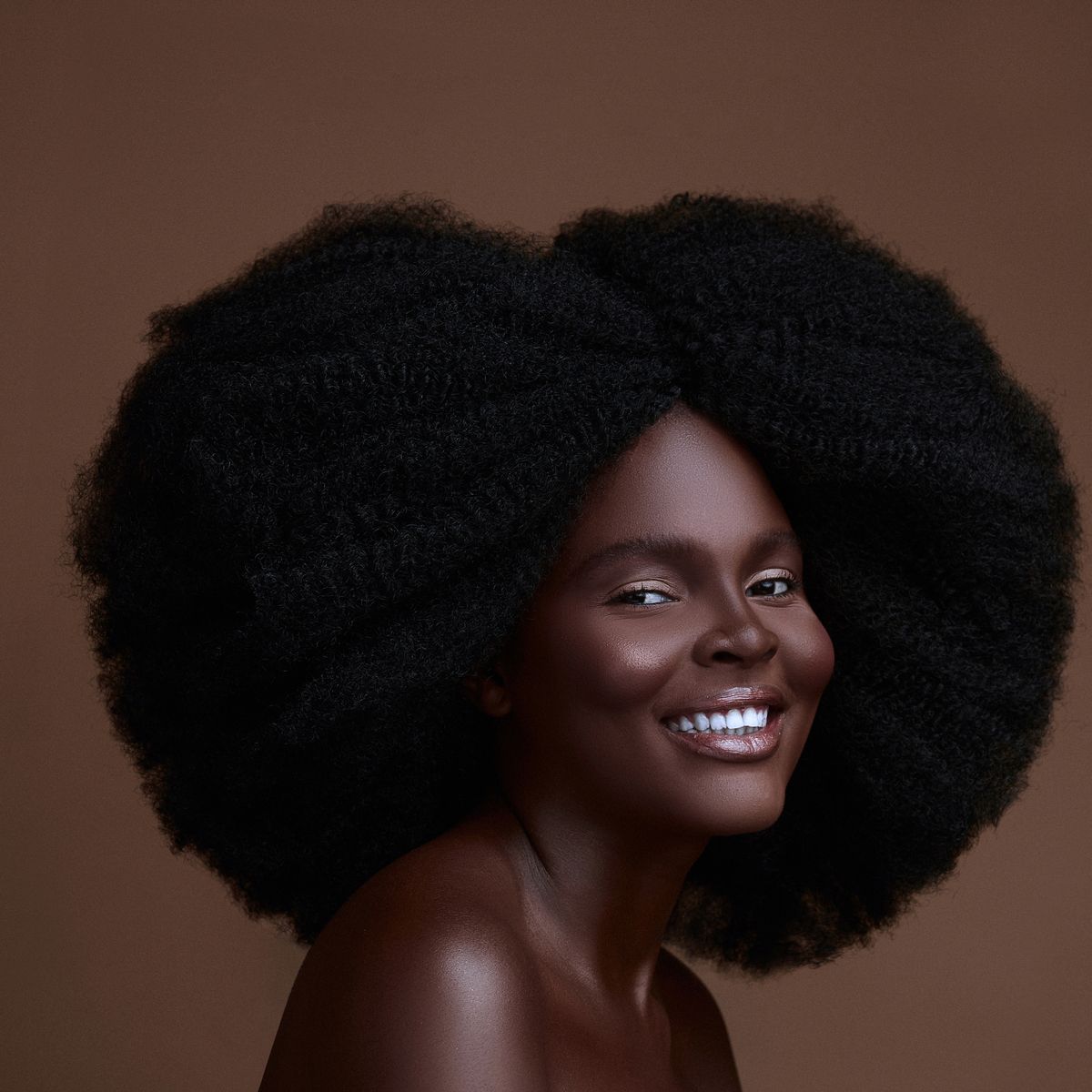
Smiling Black woman with natural Afro-textured hair
Texture deserves individual planningReal editorial photography from Pexels. The person shown is not a VIPmedi patient and the image does not represent a treatment result.
Man with short tightly curled hair in a studio portrait
Individual curl and styling context: Pexels
Visible curl is only part of the anatomy

Why Afro-textured hair requires specific experience

In tightly curled hair, the follicle beneath the skin may follow a curved rather than straight course. During individual follicular-unit extraction, the physician must anticipate that path to reduce accidental cutting or transection of the graft.

The external curl can also create useful visual coverage, but it does not justify a standard “fewer grafts” promise. Coverage depends on the treatment area, hairs per graft, calibre, curl pattern, scalp-to-hair contrast, styling, donor supply, and how the hair will sit when grown.

The diagnosis comes first. Pattern hair loss, traction alopecia, alopecia areata, central centrifugal cicatricial alopecia and other scarring disorders require different decisions. Surgery should not be used to bypass active inflammation or an uncertain diagnosis.


01Texture is not ethnicityPlanning follows the person’s actual hair and scalp findings, not an assumed category.
02The follicle can curve below skinExtraction technique must account for the individual subcutaneous path.
03Coverage is not a fixed graft ruleCurl can influence visual fullness, but the required plan remains individual.
04Scalp disease must be excludedActive traction, inflammation, or scarring alopecia can change or prevent surgery.
Candidacy is diagnosis-led

Who may be considered for an Afro hair transplant?

Hair texture does not determine candidacy by itself. The cause and stability of loss, donor reliability, extraction feasibility, scalp health, healing history, and realistic visual goal all matter.

Factors that may support treatment

  • A confirmed, sufficiently stable form of hair loss that can benefit from redistribution
  • A healthy donor region with adequate density, calibre, follicular units, and long-term stability
  • A surgeon and team experienced in extracting and placing tightly curled or coiled grafts
  • A hairline, temple, crown, traction, or scar concern that can be improved within donor limits
  • Realistic acceptance of scarring, variable growth, future loss, and possible staged treatment

Reasons to investigate or postpone

  • Active CCCA, another inflammatory or scarring alopecia, alopecia areata, scalp infection, or uncontrolled dermatitis
  • Ongoing traction from tight braids, locs, extensions, weaves, ponytails, or other repeatedly pulling styles
  • Diffuse donor thinning, poor donor supply, or extraction findings that indicate excessive graft injury risk
  • A personal history of keloids, hypertrophic scars, poor healing, or recurrent folliculitis that has not been medically reviewed
  • Expectations of scarless surgery, guaranteed graft survival, exact density, or restoration beyond the available donor supply
Early traction alopecia may improve without transplantation when the pulling stops. Advanced, stable areas may sometimes be considered for surgery, but continued traction can damage both existing and transplanted follicles.
From diagnosis to curl-direction planning

How an Afro hair transplant is typically planned

The sequence is familiar, but the decisions must be adapted to the person’s hair-loss condition, follicle curvature, scalp, preferred hairstyle, and healing profile.

01

Diagnosis & stability

The clinician reviews the pattern, duration, symptoms, styling tension, family history, medicines, previous treatment, scalp disease, and progression.

02

Texture & donor mapping

Magnified examination assesses density, calibre, hairs per unit, miniaturisation, scarring, inflammation, curl pattern, and likely follicle path.

03

Method & feasibility

The physician decides whether FUE, FUT, or another plan is appropriate and whether limited test extraction is useful.

04

Hairline & coverage design

Shape, irregularity, temple transition, density gradient, curl direction, facial proportions, usual hairstyle, and future loss are planned together.

05

Careful harvest & handling

Grafts are obtained along the estimated follicle path, inspected, hydrated, sorted, and protected from avoidable mechanical trauma.

06

Placement & follow-up

Recipient sites and graft orientation support the intended direction and curl while aftercare protects healing skin and fragile transplanted units.

Method labels answer different questions

FUE, FUT, DHI, and Sapphire for Afro-textured hair

No label proves textured-hair expertise. Harvesting, graft handling, recipient-site creation, placement, physician responsibility, and long-term planning should be evaluated separately.

Method or labelWhat it describesTexture-specific considerationImportant trade-off
FUEIndividual follicular units are removed from the donor region with punches.A curved follicle path can increase technical difficulty and the chance of transection unless extraction is adapted.It avoids a linear incision but still creates many small scars and can thin the donor if overharvested.
FUT or strip harvestingA donor strip is removed and divided into grafts under magnification before closure.Direct graft preparation may be considered when individual extraction is difficult, depending on anatomy and surgeon judgement.It creates a linear scar and involves sutured closure; scalp laxity, hairstyle, and scarring history matter.
DHI or implanter placementA marketing and workflow term commonly associated with placing grafts using an implanter device.Placement must respect curl orientation, but the label does not solve the separate challenge of extracting curved follicles.Outcome depends on the complete protocol and team—not the implanter name alone.
Sapphire FUEUsually refers to sapphire blades used to create recipient sites within an FUE-based procedure.Blade material does not demonstrate the operator’s ability to harvest tightly curved follicles or diagnose scalp disease.It is not a distinct guarantee of density, faster healing, scarlessness, or graft survival.
Ask for evidence of textured-hair experience. Useful questions include who performs each surgical step, how follicle curvature is assessed, whether test extraction is appropriate, how transection is monitored, and how donor scars will look with your preferred haircut.
Plan what cannot be seen in a front-facing photo

Six factors that shape a responsible textured-hair plan

01

Diagnosis & scalp activity

Active traction, CCCA, alopecia areata, infection, inflammation, or another unstable condition may require treatment instead of surgery.

02

Subcutaneous curl path

The follicle’s curve beneath the skin can differ from the visible shaft and affects punch choice, motion, depth, and extraction strategy.

03

Scarring & healing history

Previous keloids, raised scars, pigment change, folliculitis, and wound-healing problems should be disclosed and medically reviewed.

04

Hairline identity

The plan should respect the individual’s original pattern, facial proportions, age, temple shape, styling preferences, and future loss—not a standard template.

05

Curl direction & emergence

Recipient angles, site direction, graft rotation, and the way curls overlap affect natural appearance and usable visual coverage.

06

Lifetime donor budget

Density, hairs per unit, calibre, safe donor boundaries, miniaturisation, haircut length, and possible future sessions determine conservative use.

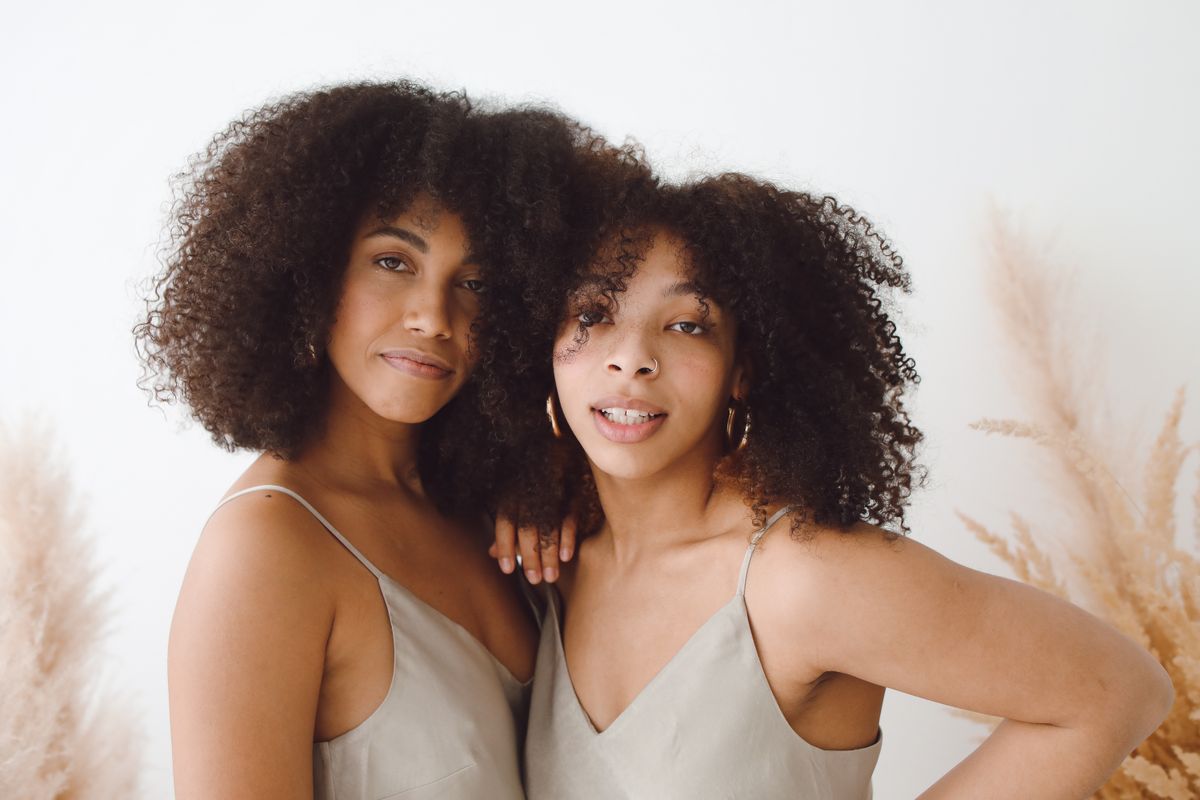
Two women with distinct natural Afro hairstyles
Variation within Afro-textured hair: Pexels
Curl can help coverage, but it does not create donor hair

Plan the visual result, not a generic graft package

Two people with similarly visible curl can have different follicle curvature, density, calibre, hairs per graft, loss patterns, donor limits, and styling goals. That is why a fixed graft number based only on “Afro hair” is not reliable.

  • Grafts and hairs are different measurements; the team should explain which number is being quoted.
  • Curl, calibre, and scalp-to-hair colour contrast can change the appearance of fullness.
  • The hairline edge usually needs softer, carefully directed units rather than maximum density at the front.
  • Short hairstyles can reveal donor thinning or scars that longer curls might conceal.
VIPmedi partner network

Coordinated access to established hospital groups

VIPmedi works with Acıbadem, Memorial, Medical Park, Medipol, and Medicana. We help coordinate your enquiry with a relevant facility and ask the proposed team to address textured-hair experience and individual suitability.

Acıbadem logoAcıbadem
Memorial logoMemorial
Medical Park logoMedical Park
Medipol logoMedipol
Medicana

Partner status does not mean every branch or team offers every hair-restoration method or has the same textured-hair experience. VIPmedi confirms the proposed facility, responsible physician, team roles, available service, and individual review before treatment.

Your visit to Turkey

From texture photographs to planned follow-up

01Contact VIPmediShare clear dry-hair and parted-scalp photographs, donor views, usual hairstyle, diagnosis, symptoms, treatments, medicines, and travel period.
02Clinical reviewA partner team evaluates the loss pattern and may request trichoscopy, dermatology records, scalp-biopsy reports, tests, or further images.
03Confirm experience & planReview the named physician, team roles, textured-hair approach, donor method, recipient design, alternatives, risks, and estimate.
04Examine & decideComplete in-person scalp assessment, donor mapping, follicle evaluation, hairline design, safety checks, and informed consent.
05Recover & monitorAttend early review and leave with washing, styling, medicine, warning-sign, photograph, and longer-term follow-up instructions.
Do not make non-refundable travel decisions from a graft estimate alone. In-person follicle findings, active scalp disease, healing risks, or clinical tests can change the method, treatment area, timing, or decision to operate.
A quote should explain the complete procedure

What affects Afro hair-transplant cost in Turkey?

There is no responsible universal price based on texture alone. Cost depends on diagnosis, complexity, method, physician and team, graft requirement, facility, follow-up, and documented travel services.

Diagnosis & specialist reviewScalp examination, trichoscopy, previous biopsy or treatment records, selected tests, and responsible physician
Donor complexityFollicle curvature, density, calibre, safe zone, miniaturisation, previous harvesting, and possible test extraction
Harvesting methodFUE or FUT plan, punch or dissection approach, trimming, graft preparation, and closure where relevant
Recipient designArea, hairline and temple detail, curl orientation, existing-hair protection, graft distribution, and procedure time
Facility & follow-upProcedure room, local anaesthesia, medicines, washing, early reviews, records, and complication pathway
Documented travel supportOnly specified transfers, accommodation, translation, exclusions, companion costs, and extra nights
Before paying, request a written plan. Confirm the hospital and branch, responsible physician, who performs each surgical step, experience with similar curl patterns, diagnosis, estimated graft range, extraction method, scars, area treated, inclusions, cancellation terms, and follow-up responsibilities.
Protect the grafts, scalp, and styling routine

A realistic Afro hair-transplant recovery and growth timeline

Recovery varies by harvesting method, treatment size, skin response, hair length, and individual healing. The treating team’s instructions take priority over generic schedules.

01First days

Protect both areas

Small donor wounds or a sutured line and the recipient sites begin healing. Redness, swelling, tenderness, crusting, and temporary numbness can occur.

02First weeks

Gentle cleansing only

Follow the supplied washing and moisturising instructions. Avoid scratching, tight headwear, braiding, pulling styles, chemical processing, and unapproved products.

03Following months

Shedding before growth

Transplanted shafts often shed before new hair appears gradually. Folliculitis or ingrown-hair-like bumps should be reported rather than squeezed or self-treated.

04Later maturation

Texture and coverage evolve

Growth, calibre, curl behaviour, direction, and visual coverage can continue changing for many months. Final timing varies by person and area.

Contact the treating team promptly for increasing pain, spreading redness, pus, fever, heavy or persistent bleeding, marked swelling, rash or breathing difficulty, darkening or breakdown of skin, or any symptom the discharge instructions identify as urgent. Seek immediate local medical care for a serious or rapidly worsening problem.
Informed consent matters

Risks, limitations, and texture-specific concerns

Afro hair transplantation is still surgery. Texture-specific planning can reduce avoidable technical problems, but it cannot remove surgical risk or guarantee growth.

Possible medical and healing issues

  • Pain, bleeding, swelling, crusting, itching, temporary numbness, or altered sensation
  • Infection, folliculitis, ingrown-hair-like inflammation, delayed healing, or reaction to medicines or anaesthesia
  • Temporary shock loss affecting transplanted or nearby existing hair
  • Small round FUE scars or a linear FUT scar, pigment change, or raised/problematic scarring in susceptible people

Possible technical and aesthetic issues

  • Transection or damage to curved grafts during harvesting, with lower usable yield
  • Lower-than-expected growth, patchy coverage, donor thinning, or need for further treatment
  • Unnatural hairline shape, incorrect curl orientation, poor angle or direction, plugging, pitting, or cobblestoning
  • Progression or recurrence of the underlying condition, including traction or inflammatory/scarring hair loss
Clear answers before you travel

Afro hair-transplant FAQs

What does “Afro hair transplant” mean?

It is a commonly used term for hair transplantation in tightly curled or coiled hair. It should not be treated as one uniform ethnic or anatomical category. The clinician must assess the person’s actual curl pattern, follicle path, calibre, density, scalp, diagnosis, and healing history.

Can both men and women with Afro-textured hair have a transplant?

Yes, selected adults of any gender may be candidates. Suitability depends on the cause and stability of loss, donor supply, scalp health, extraction feasibility, treatment area, medical history, and realistic goals—not gender or ethnicity alone.

Why can FUE be more technically demanding with tightly curled hair?

The follicle may curve beneath the skin, and that path may not exactly match the visible shaft. Individual extraction must follow the likely course closely enough to release the unit while limiting transection and unnecessary donor injury.

Is FUE or FUT better for Afro hair?

Neither is universally better. FUE avoids a linear incision but can be technically difficult with markedly curved follicles. FUT allows graft preparation from a donor strip but leaves a linear scar. Anatomy, haircut, scarring history, donor needs, and surgeon experience guide the choice.

Is DHI a special extraction method for Afro hair?

No. DHI commonly describes implanter-based placement. The grafts still have to be harvested by an appropriate method. An implanter label does not establish expertise in extracting curved follicles.

Does Sapphire FUE make curly-follicle extraction easier?

Sapphire generally refers to recipient-site blade material, not the donor extraction step. It does not by itself reduce curved-follicle transection, prove textured-hair experience, or guarantee healing and growth.

Can traction alopecia be treated with a transplant?

Selected stable, permanently thinned areas may be considered after traction has stopped and active inflammation has resolved. Earlier cases may improve by changing the pulling hairstyle and receiving medical care. Continued traction can damage native and transplanted follicles.

Can CCCA or another scarring alopecia be transplanted?

Active inflammatory or scarring alopecia is generally unsuitable for routine transplantation. Selected inactive cases require specialist diagnosis, documented stability, assessment of blood supply and tissue quality, and a careful discussion of recurrence and reduced-growth risk.

What if I have a history of keloids or raised scars?

Tell the physician where the scars occurred, what caused them, and how they were treated. A history of problematic scarring does not allow a safe decision from a photograph. The surgeon must assess individual risk, alternatives, scar placement, and whether surgery should proceed.

Does curly hair always need fewer grafts?

No fixed rule is responsible. Curl and calibre can influence visual coverage, but required grafts also depend on area, hairs per graft, density, contrast, direction, donor availability, future loss, and the target appearance.

Will my donor area need to be shaved?

It depends on the harvesting method, curl length, graft requirement, donor access, and team protocol. Full, partial, or limited trimming may be proposed for FUE; FUT involves a donor strip and closure. Confirm the exact visible change before booking.

Can folliculitis or ingrown hairs happen after transplantation?

Inflamed follicle-like bumps can occur during healing or early growth. Do not squeeze, pick, or apply unapproved treatments. Send photographs to the treating team and follow their advice, because infection and other scalp conditions may look similar.

Is transplanted Afro-textured hair permanent?

Transplanted follicles often retain donor characteristics, including their curl, but no result should be guaranteed for life. Graft growth varies, and existing non-transplanted hair can continue thinning or be affected by the underlying condition.

When will I see the final result?

Transplanted shafts commonly shed during early healing, followed by gradual growth over months. Direction, curl behaviour, calibre, and coverage continue maturing over time. The treating team should provide case-specific review points rather than promise one exact date.

How do I request an Afro hair-transplant review?

Use the VIPmedi Contact Us page. Include clear photographs of the front, temples, top, crown, sides, and back with dry hair and parted scalp where possible; your usual style and haircut length; symptoms; diagnosis; past scalp biopsy or treatment; scarring history; medicines; previous procedures; and preferred travel period.

Take the next step

Let’s discuss Afro hair transplantation in Turkey

Tell us about your curl pattern, hair-loss diagnosis, scalp symptoms, styling history, previous treatment, donor and recipient concerns, scarring history, and travel period. VIPmedi can help coordinate an initial enquiry with an appropriate partner team.

Contact VIPmedi Email: [email protected]

Use the contact page for your initial enquiry. Do not send urgent medical problems through a website form.