Abdominal skin removal and contour surgery

Abdominoplasty (Tummy Tuck) in Turkey

Explore tummy tuck surgery with a plan that distinguishes loose skin from subcutaneous fat, visceral fullness, rectus diastasis and hernia—and defines the scar, navel, muscle-repair, liposuction, admission and aftercare plan before you travel.

Abdominoplasty removes selected excess abdominal skin and fat. It may include tightening of the fascial layer over separated rectus muscles, but it is not a weight-loss operation and it cannot remove fat from inside the abdominal cavity.

Skin, fat and muscle assessmentScar and navel planRecovery and travel safety

Final suitability, technique, scar length, fascial repair, liposuction, anaesthesia, hospital stay, clot prevention, recovery and fit-to-fly timing require an examination and written plan from the treating surgeon and anaesthesia team.

Clinician assessing a woman’s abdominal tissue with a body-fat caliper during a consultation
Abdominal assessmentPhoto by Lucas Guimarães Bueno / Pexels. Editorial illustration; not a VIPmedi patient, partner facility, treatment, case or result.
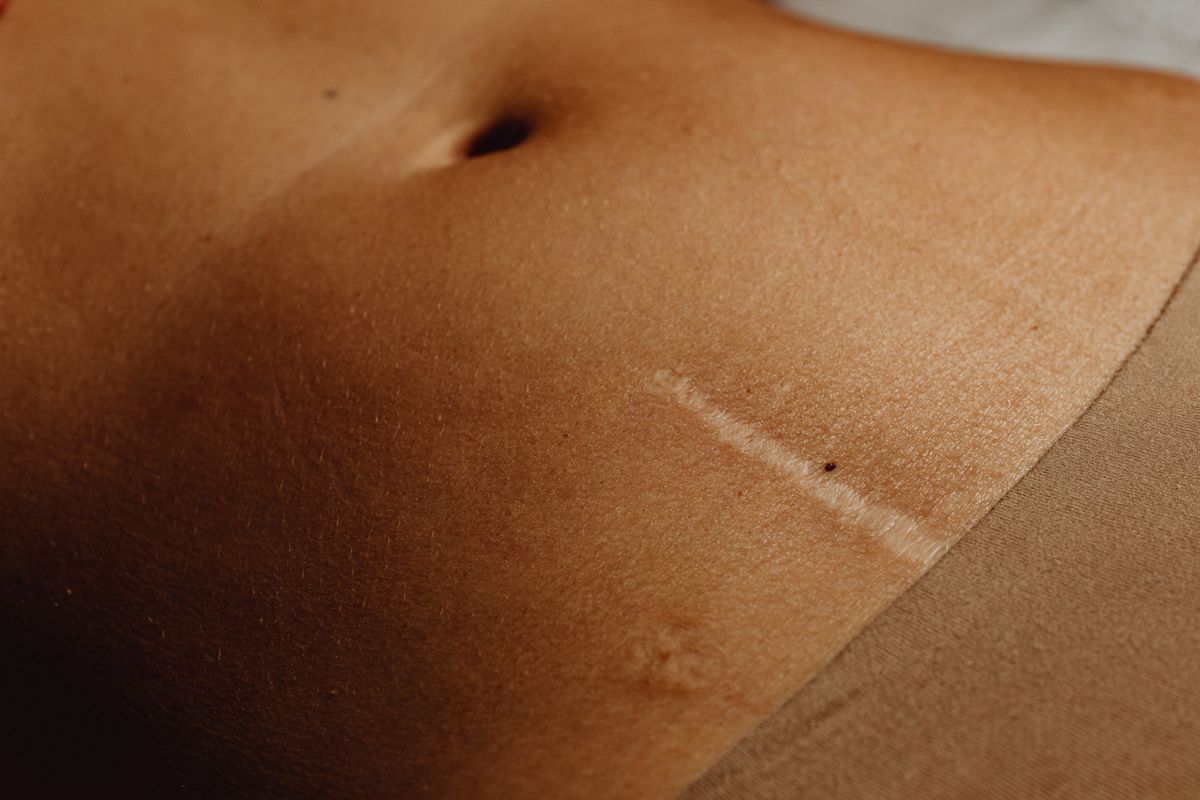
Close view of a woman’s abdomen showing natural skin texture and a healed surgical scar
Real abdominal skin and scar context: Kaboompics.com / Pexels
Skin removal, not a shortcut to weight loss

What is abdominoplasty?

A tummy tuck removes a planned segment of loose abdominal skin and the attached subcutaneous tissue, then redrapes and closes the remaining skin. A full operation commonly includes a long low abdominal incision and a new skin opening for the existing navel.

When rectus diastasis is present and repair is appropriate, the surgeon may place sutures in the strong fascial layer over the muscles. This is often called “muscle repair,” although the muscles themselves are not replaced. A suspected hernia needs separate assessment and may change the team or operation.

The operation leaves permanent scars. Their position and length depend on the amount and direction of loose skin, existing scars, body shape, technique, wound healing and whether an extended or vertical incision is required.

One rounded abdomen can have several causes

Skin, fat, diastasis and visceral fullness

A safe recommendation starts by identifying which layer causes each concern. A tummy tuck does not treat every source of abdominal projection.

Outer envelope

Loose skin

Pregnancy, ageing, major weight change and previous surgery can leave skin that folds, hangs or does not retract with exercise.

Relevant treatment: the amount and direction of excess help determine mini, full, extended or vertical skin removal.

Under the skin

Subcutaneous fat

Pinchable fat sits between skin and the abdominal wall. Selected liposuction may be combined with skin removal when the surgeon considers tissue blood supply and total surgical extent acceptable.

Limit: liposuction alone does not remove a loose skin apron.

Abdominal wall

Rectus diastasis or hernia

Separated rectus muscles may create midline bulging. A true hernia is a different defect and can contain abdominal tissue; symptoms or a prior diagnosis must be disclosed.

Confirm: whether imaging or another surgical specialty is needed.

Inside the abdomen

Visceral fullness

Fat around internal organs and abdominal contents lie deeper than the muscle wall. Abdominoplasty and liposuction cannot remove this internal fat.

Reality check: a perfectly flat abdomen cannot be promised.

Stretch marks need precise wording. Only marks contained within the skin that is actually removed disappear with that tissue. Remaining marks may move position or look different after redraping; tummy tuck surgery does not erase every stretch mark.
Photographs help triage; examination determines the operation

Four parts of a responsible tummy tuck assessment

The final plan should connect anatomy, health, scars and life plans to a named operation—not simply offer a standard package.

Skin, fat and abdominal wall

Assess loose skin above and below the navel, subcutaneous fat, visceral fullness, rectus diastasis, possible hernia, skin quality, stretch marks, the pubic area, flanks and how the abdomen changes when standing, bending and tightening.

Describe what you want assessed →
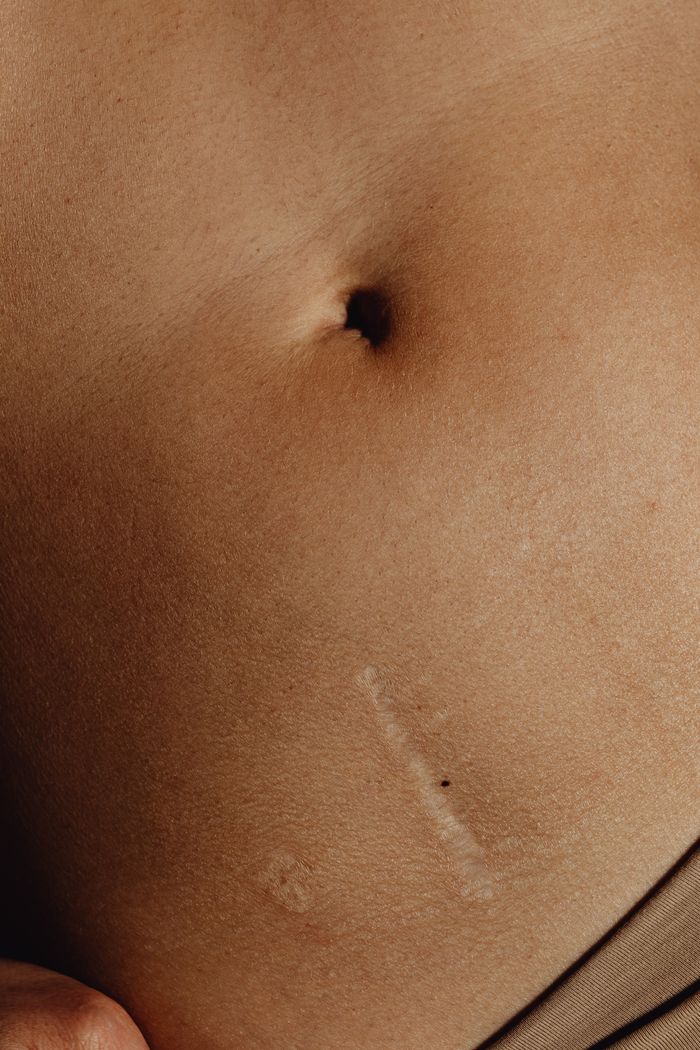
Close view of an abdomen showing natural skin, the navel and an existing scarScar and skin context: Kaboompics.com / Pexels

Scars, navel and skin blood supply

Map C-section, laparoscopic, hernia and other abdominal scars, previous liposuction and the current navel. These can affect incision placement, tissue circulation, navel design, healing risk and whether more than one stage is safer.

Ask how to share scar photographs →
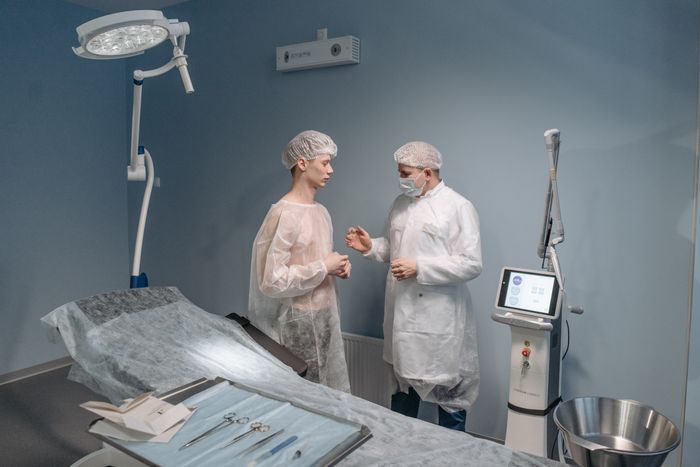
Doctor and patient discussing medical history and a surgical plan during consultationHealth-history discussion: Pavel Danilyuk / Pexels

Health, weight and pregnancy plans

Disclose conditions, previous anaesthesia, diabetes, bleeding or clot history, medicines and supplements, allergies, nutrition, current weight and changes, smoking or nicotine, pregnancies and plans for future pregnancy or major weight loss.

Ask how to share your history securely →
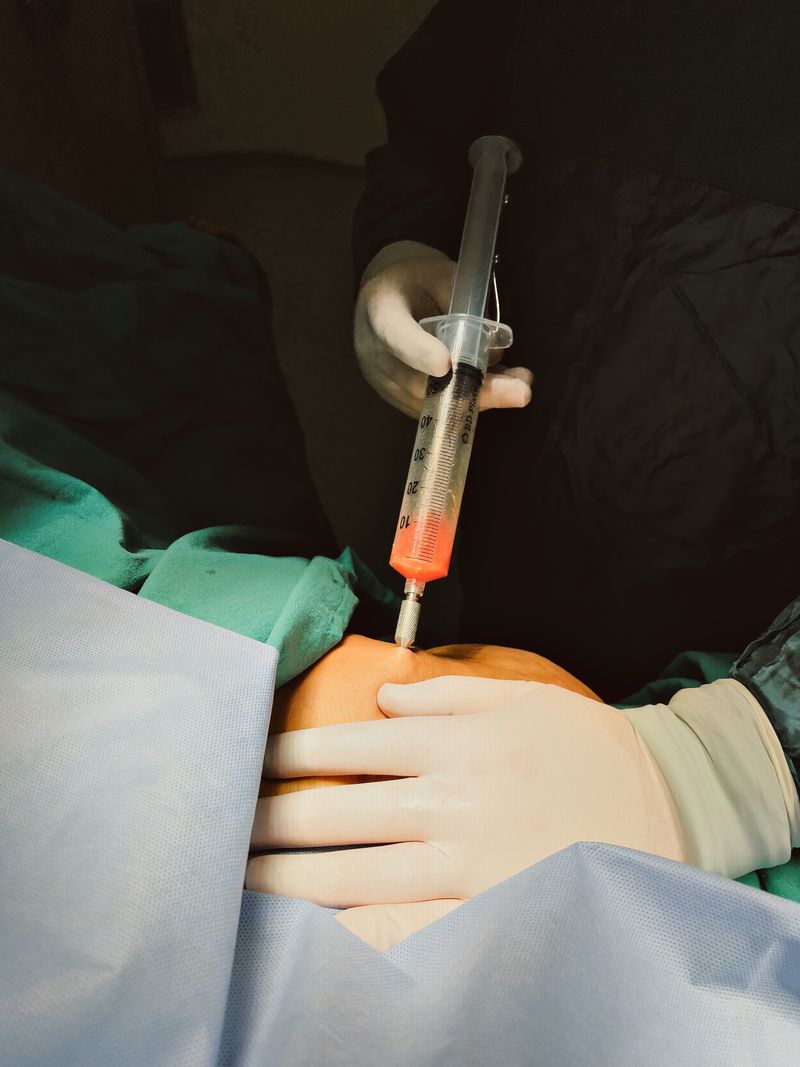
Surgeon preparing for an operation in a modern operating roomSurgical preparation: Zeynep Özata / Pexels

Exact technique and care setting

Confirm incision map, skin removal, navel plan, fascial repair, liposuction areas, drains or progressive-tension sutures, anaesthesia, named hospital branch, admission, clot prevention, garment, reviews and complication pathway.

Request an individual treatment plan →

Remote review can identify records and photographs still needed. It cannot replace the treating surgeon’s physical examination, anaesthetic assessment or consent process.

The adjective should match the incision and tissue plan

Full, mini, extended and fleur-de-lis tummy tuck

These labels are not perfectly standardised between surgeons. Ask for a drawing of the proposed scars, skin removal, navel treatment and areas of any liposuction.

Broad central laxity

Full abdominoplasty

Commonly uses a low transverse incision, lifts abdominal skin above the navel, removes selected lower tissue and brings the existing navel through a new skin opening. Fascial plication may be included when indicated.

Ask: planned scar endpoints, navel design and repair extent.

Limited lower-abdominal laxity

Mini abdominoplasty

Uses a more limited lower abdominal dissection and usually does not create a new navel opening. It may suit selected tissue confined below the navel; it is not automatically a small version of every full tummy tuck.

Ask: what it will not correct above the navel.

Wider side-to-side excess

Extended abdominoplasty

Extends the horizontal scar toward the flanks to remove wider excess. The scar may be longer than underwear or swimwear coverage, depending on anatomy and goals.

Ask: standing scar drawings and dog-ear risk.

Horizontal and vertical excess

Fleur-de-lis abdominoplasty

Adds a vertical midline scar to the horizontal scar to address selected excess in two directions, often after major weight change. It can remove more skin but creates substantially more visible scarring and wound junctions.

Ask: whether a body lift or staged plan is more appropriate.

“Drainless” does not mean fluid-free or risk-free. Some surgeons use progressive-tension or quilting sutures to reduce space beneath the abdominal flap and may omit external drains in selected patients. Seroma can still occur; confirm the exact technique, monitoring and treatment plan.
Different concerns need different operations

Tummy tuck, liposuction, body lift or weight-loss treatment?

Choose by anatomy and health—not by a package name or the smallest advertised scar.

Loose central skin

Abdominoplasty

Removes selected abdominal skin and subcutaneous tissue and may tighten the fascial layer. It leaves a low horizontal scar and, for a full procedure, commonly a scar around the navel.

Does not: remove visceral fat or guarantee a flat abdomen.

Selected pinchable fat

Liposuction

Removes selected subcutaneous fat through small access incisions. It may be used alone or with tummy tuck surgery in selected areas.

Does not: remove a significant skin apron or reliably repair diastasis.

Circumferential excess

Lower body lift

Extends skin removal around more of the torso to address selected abdominal, flank and back or buttock laxity. It is a larger operation with longer scars and different positioning, admission and recovery needs.

Ask: one stage or staged treatment.

Weight and metabolic health

Bariatric treatment

Weight-loss treatment addresses different health goals. If major weight loss is planned, body-contouring surgery is commonly deferred until weight and nutrition are sufficiently stable for assessment.

Separate decision: tummy tuck is not bariatric surgery.

Combined surgery must be justified as a whole

Adding liposuction, breast surgery or another procedure increases operative extent and may change blood loss, wound risk, positioning, mobility, clot prevention, admission and recovery. A “mommy makeover” is not one standard operation.

From remote review to coordinated follow-up

How abdominoplasty treatment is commonly organised

Every stage should identify the responsible clinician, the decision still to be made and the records you will receive.

01Initial enquiryShare goals, standing photographs, height and weight history, conditions, medicines, nicotine use, pregnancies and prior abdominal operations.
02Specialist reviewA surgeon reviews likely skin, fat, scar and abdominal-wall issues, then requests further records, tests or an in-person examination.
03Examination and consentConfirm technique, scar map, navel, plication, liposuction, drains, risks, alternatives, anaesthesia, admission and recovery.
04Surgery and monitoringThe clinical team performs the consented plan and monitors pain, bleeding, circulation, wounds, fluid, mobility and clot risk.
05Reviews and handoverAttend wound, navel and drain reviews; receive records, fit-to-fly guidance, emergency contacts and a plan for care after returning home.
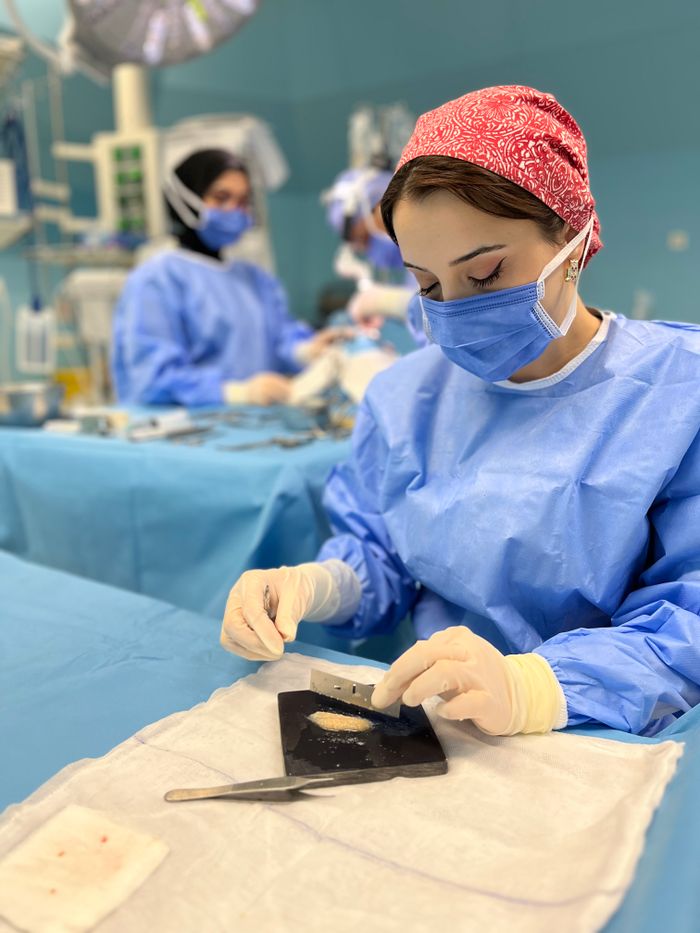
Surgical team performing an operation in a modern operating room in Istanbul
Operating-room context in Istanbul: Zeynep Özata / Pexels
Before consenting

Ask for the operation in plain language

  • Which skin and fat will be removed—and which fullness will remain?
  • Where will the horizontal and any vertical scars end when standing?
  • Will the navel stay attached to its stalk and emerge through a new opening?
  • Is fascial plication planned above, below or around the navel?
  • Is a hernia suspected, and who will assess or repair it?
  • Which areas, if any, will receive liposuction?
  • Will drains, progressive-tension sutures or both be used?
Flight timing is a clinical decision

The CDC Yellow Book advises medical tourists not to fly for 10 days after chest or abdominal surgery. Abdominoplasty, long flights, limited mobility and individual factors can add clot and wound risk, so the treating team may require a longer stay. Plan around medical clearance—not the cheapest return ticket.

Discuss Travel Planning
Major surgery requires more than an aesthetic goal

Who may be considered—and what risks must be discussed

Suitable candidates are generally in good health, at a reasonably stable weight, able to avoid nicotine, prepared for permanent scars and able to follow the recovery and emergency plan. Only the treating team can decide individual suitability.

01

Stable weight and nutrition

Major planned weight loss or recent fluctuation can alter the result and healing. Nutrition, anaemia and relevant deficiencies may need assessment, especially after bariatric surgery.

02

No nicotine exposure

Smoking, vaping and nicotine products can constrict blood vessels and raise the risk of delayed healing, skin loss and infection. Follow the surgeon’s exact cessation and testing policy.

03

Realistic scar acceptance

A low scar can often be planned around clothing preferences, but its final length, width, colour, height and symmetry cannot be guaranteed.

04

Future pregnancy considered

Pregnancy after tummy tuck is possible but can stretch skin and fascial repair and change the result. Many patients choose to defer surgery until pregnancy plans are complete.

05

Clot risk assessed

Personal or family clot history, hormones, cancer, mobility, weight, long surgery and travel can affect prevention measures and whether surgery should proceed.

06

Support after discharge

Arrange help with transport, meals, children, pets and permitted movement. You must be able to contact the treating team and obtain urgent assessment if symptoms develop.

Reasons to pause, investigate or change the plan

  • Current smoking or nicotine exposure
  • Uncontrolled medical condition
  • Active infection or skin problem
  • Unexplained abdominal pain or mass
  • Possible hernia without assessment
  • Unstable weight or planned major weight loss
  • Pregnancy or near-term pregnancy plans
  • Inadequate recovery support or follow-up
  • Unassessed anaemia or nutrition concern
  • Pressure to combine too many procedures
Risks include: anaesthesia complications; bleeding or haematoma; infection; seroma; delayed healing or wound separation; skin or fat necrosis; navel blood-supply problems, loss, distortion or narrowing; thick, raised or widened scars; numbness or altered sensation; persistent pain; asymmetry, contour irregularity or dog ears; suture problems; recurrent laxity; dissatisfaction or revision; and deep-vein thrombosis, pulmonary embolism, cardiac or pulmonary complications. Individual risks and alternatives require direct consent with the treating surgeon.
Hospital coordination across established groups

Tummy tuck surgery through our partner groups

VIPmedi can coordinate enquiries with participating hospitals and specialists within these partner groups. Availability, clinician, branch, technique and eligibility are confirmed individually; a logo does not mean every location offers every procedure.

Acıbadem logoAcıbadem
Memorial logoMemorial
Medical Park logoMedical Park
Medipol logoMedipol
Medicana

Ask for the proposed surgeon’s full name and specialty, the exact hospital and branch, anaesthetist arrangements, theatre and overnight monitoring, expected admission, emergency access and who provides wound and complication care after you leave Turkey.

A real estimate follows assessment

What affects the abdominoplasty cost

VIPmedi does not place a universal price on a procedure that may range from limited lower-abdominal skin removal to extended or combined surgery. Request an itemised estimate for the exact proposed plan.

Technique and scar extentMini, full, extended or fleur-de-lis operation; amount and direction of tissue removal; existing scars and expected surgery time
Navel and abdominal wallNavel transposition or reconstruction, fascial plication, suspected hernia assessment and whether another surgical specialty is needed
Liposuction or combined surgeryNamed areas, positioning, extra equipment and time, total procedure extent, staging and added postoperative support
Surgeon, anaesthesia and hospitalNamed surgeon and branch, anaesthetist, theatre, tests, general anaesthesia, monitoring, recovery unit and planned admission
Aftercare itemsDressings, drains or drain supplies, compression garment, medicines, laboratory or pathology services and scheduled wound reviews
Travel, follow-up and exclusionsHotel, transfers, language support, extra nights, local follow-up, emergency assessment, complication treatment and revision policy
Ask for one itemised written estimate. It should name the surgeon, anaesthetist and hospital branch; operation and scar plan; navel, fascial and liposuction components; tests; anaesthesia; admission; garments and drains; medicines; reviews; travel services; exclusions; emergency access and revision policy.
Healing is measured in function, wounds and months—not a package countdown

Walking, drains, garments, scars and gradual recovery

Early tightness, swelling, bruising, numbness and a bent posture can occur. The treating team must individualise mobility, wound care, drain management, compression, driving, work, lifting, exercise and flight timing.

01Immediately after

Monitor and mobilise safely

Pain control, hydration, nausea, bleeding, abdominal and navel circulation, urine output and clot prevention are monitored. Begin assisted walking only as instructed.

02Early recovery

Protect wounds and drains

Follow dressings, drain recording, showering, garment, sleep position, medicine and walking instructions. Do not smoke, strain, lift or change devices without approval.

03Following weeks

Increase activity gradually

Posture commonly straightens over time. Driving, desk work, childcare, lifting, compression, scar care and exercise require individual clearance based on healing.

04Following months

Let swelling and scars mature

Residual swelling, firmness, numbness and scar colour can change for many months. Weight change and pregnancy may alter the long-term contour.

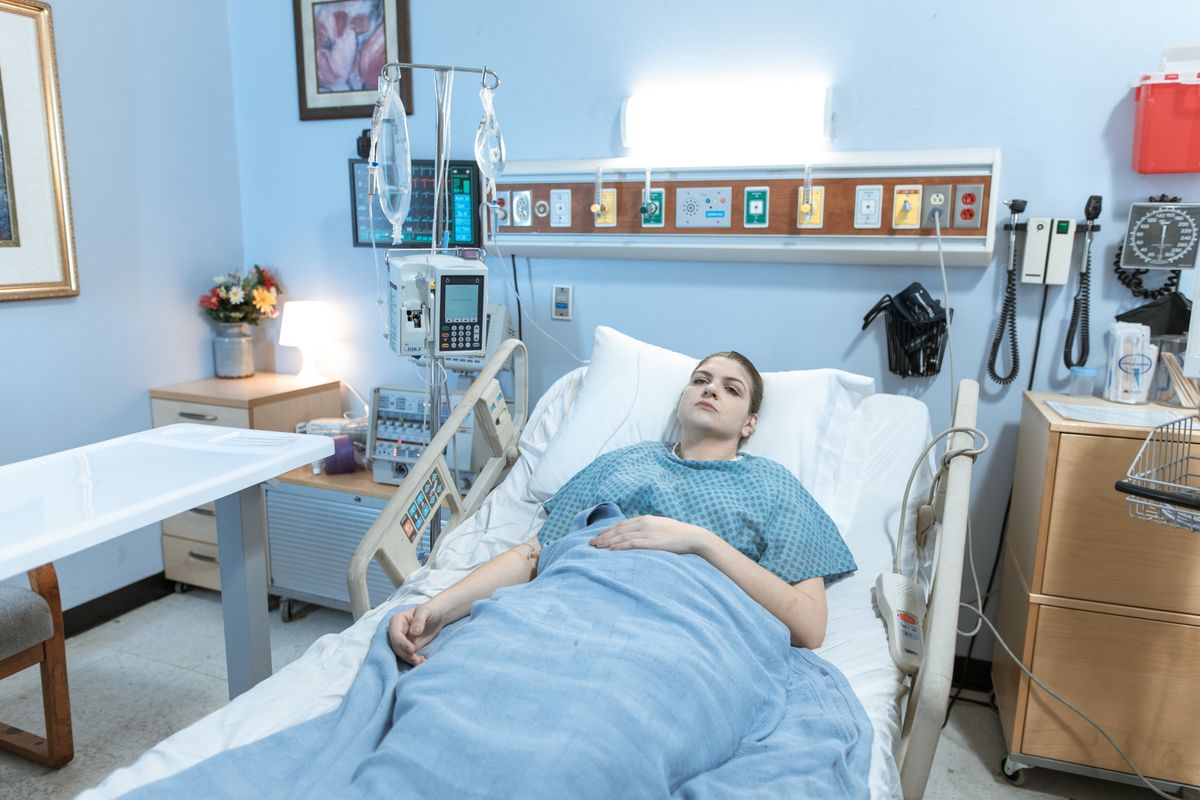
Woman resting in a hospital bed during monitored recovery
Hospital recovery context: RDNE Stock project / Pexels
Seek urgent assessment for red flags

Do not wait for a scheduled review

Follow the treating team’s emergency instructions. Urgent symptoms can include chest pain, shortness of breath, fainting, one-sided calf pain or swelling, uncontrolled bleeding, rapidly increasing abdominal swelling, severe or worsening pain, persistent vomiting or dehydration, fever, spreading redness, foul drainage, wound separation, darkening skin or a concerning change in navel colour.

After returning home, tell any clinician when and where surgery occurred, the exact operation, medicines and complications, and provide the records supplied by the treating hospital.


Leave with a complete care record. Request the operation and anaesthesia notes, exact skin and fat removal, fascial or hernia procedures, navel technique, liposuction areas, drain and garment instructions, medicines, review schedule, fit-to-fly guidance, emergency contacts and complication pathway.
Quick answers

Abdominoplasty in Turkey FAQs

How do I start a tummy tuck enquiry?

Use the Contact Us page to describe loose skin, bulging, scars, suspected diastasis or hernia, weight history, pregnancies and goals. Include health conditions, medicines and supplements, allergies, smoking or nicotine, clot history and previous abdominal or weight-loss surgery. Ask how requested standing photographs and records should be shared securely.

What does a tummy tuck treat?

It removes a planned amount of loose abdominal skin and attached subcutaneous tissue and may tighten the fascial layer over separated rectus muscles. The plan can also address selected lower-abdominal or pubic laxity and combine limited liposuction when appropriate. It does not treat every cause of abdominal fullness.

Is abdominoplasty a weight-loss operation?

No. It is body-contouring surgery, not a substitute for weight loss, nutrition, exercise or bariatric treatment. It does not remove visceral fat inside the abdominal cavity. Stable weight is important because later weight change can alter the skin, scar and contour.

What is the difference between a full and mini tummy tuck?

A full tummy tuck commonly treats skin above and below the navel, uses a longer low incision and creates a new skin opening for the existing navel. A mini operation generally treats more limited tissue below the navel and usually avoids navel transposition. Labels vary, so ask for the actual scar and tissue plan.

When are extended or fleur-de-lis techniques considered?

An extended scar may address wider skin excess toward the flanks. A fleur-de-lis operation adds a vertical scar to address excess in two directions, often after major weight loss. Both trade additional skin removal for longer or more visible scars and may change wound and recovery risks.

What does “muscle repair” mean?

It usually means suturing or plicating the strong fascial layer over separated rectus muscles to narrow diastasis. The surgeon should explain where and how much repair is proposed, its effect on tightness and recovery, and the risks of pain, recurrence or over-tightening. It is not guaranteed to correct posture or back pain.

Can a tummy tuck repair a hernia?

Some hernias can be assessed and repaired during related abdominal surgery, but a hernia is not the same as rectus diastasis. Symptoms, previous imaging and repair history must be disclosed. Imaging or a general surgeon may be required, and a combined repair can change mesh, risk, admission and recovery planning.

What happens to the belly button?

In a typical full tummy tuck, the navel remains attached to its deeper stalk while surrounding skin is moved; the navel is brought through a newly created skin opening. Exact techniques vary. Discuss position, shape, surrounding scar, narrowing, distortion and blood-supply risks. A mini tummy tuck usually handles the navel differently.

Will a tummy tuck remove all stretch marks?

No. Stretch marks disappear only when they lie within skin that is removed. Marks on remaining skin may move or look different after redraping. Ask the surgeon to mark the expected skin-removal zone and avoid guarantees based on photographs alone.

Can liposuction be combined with abdominoplasty?

Yes, in selected patients and areas, but it adds operative extent and can affect swelling, blood loss, skin circulation, contour, mobility and clot risk. Confirm every planned area and whether liposuction is conservative, extensive or better staged. Read the Liposuction in Turkey guide.

Will I have drains, and what is a drainless tummy tuck?

Temporary drains may be placed to remove fluid. Some surgeons use progressive-tension or quilting sutures and omit external drains in selected plans. “Drainless” is not a guarantee against seroma. Ask how fluid is monitored, when drains are removed if used, and how a seroma would be assessed and treated.

What anaesthesia is used, and how long is recovery?

General anaesthesia is common. Recovery depends on technique, plication, liposuction, combined procedures, health, work and healing. You may initially walk bent, need help and use drains or a garment. The surgeon must give individual timelines for driving, work, lifting, exercise and unrestricted activity.

How long should I stay in Turkey, and when can I fly?

Stay through the required wound, navel and drain reviews and until the treating team clears travel. The CDC Yellow Book advises no flying for 10 days after chest or abdominal surgery, and individual clot, wound or complication risk may require longer. Do not book a fixed short stay before receiving the clinical plan.

What if I become pregnant or my weight changes later?

Pregnancy and substantial weight change can stretch skin and fascial repair, change scars and alter the result. Many patients defer tummy tuck surgery until pregnancy plans and major weight loss are complete and weight is stable. Discuss contraception and pregnancy timing with the appropriate clinicians.

What should my written estimate and treatment records include?

Confirm the named surgeon, anaesthetist, hospital and branch; technique and scar map; skin, fat, navel, fascial, hernia and liposuction components; tests; anaesthesia; admission; drains and garment; medicines; reviews; travel services; exclusions; emergency access and revision policy. Request operation and anaesthesia records before departure. Contact VIPmedi for an individual enquiry.

Take the next step

Let’s discuss abdominoplasty in Turkey

Tell us what you want assessed, your weight and pregnancy history, previous abdominal surgery, relevant health information and when you hope to travel. VIPmedi can help coordinate the next appropriate enquiry with a participating partner hospital.

Contact VIPmedi Email: [email protected]

Use the contact page for your initial enquiry. Avoid sending identity documents or full medical records in the first message; ask how requested information should be shared securely.