Fixed full-arch implant treatment

All-on-4 Dental Implants in Turkey

Explore full-arch treatment supported by four implants, with CBCT-led assessment, coordinated surgical and prosthetic planning, clear provisional-versus-final bridge terms, and structured follow-up.

All-on-4 can be appropriate for selected adults who have lost—or have a carefully confirmed poor prognosis for—most or all teeth in one arch. It is not a universal four-implant solution, and it should not mean removing maintainable teeth without a documented reason.

One arch at a timeCBCT-led planningWritten prosthesis plan

Suitability, implant number and position, extractions, grafting, immediate loading, anaesthesia, bridge design, visit schedule, and aftercare are individual clinical decisions. Same-day fixed teeth cannot be promised before surgery.

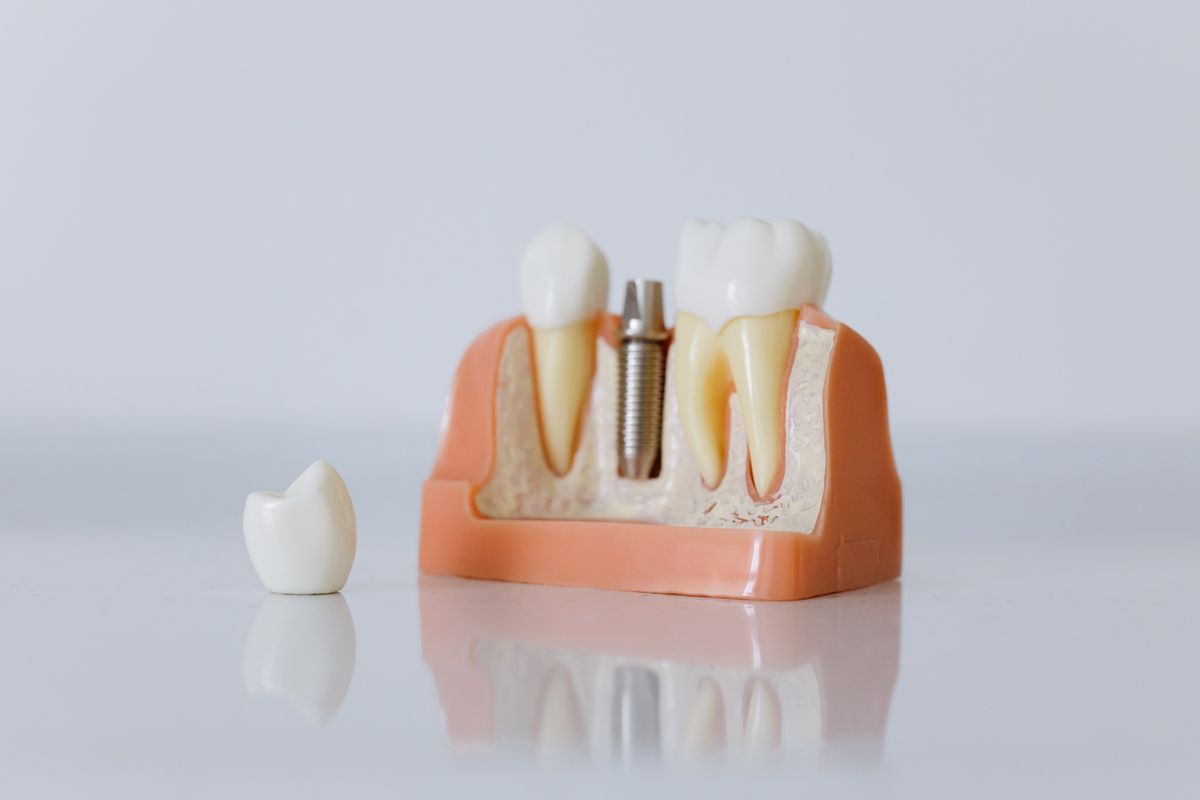
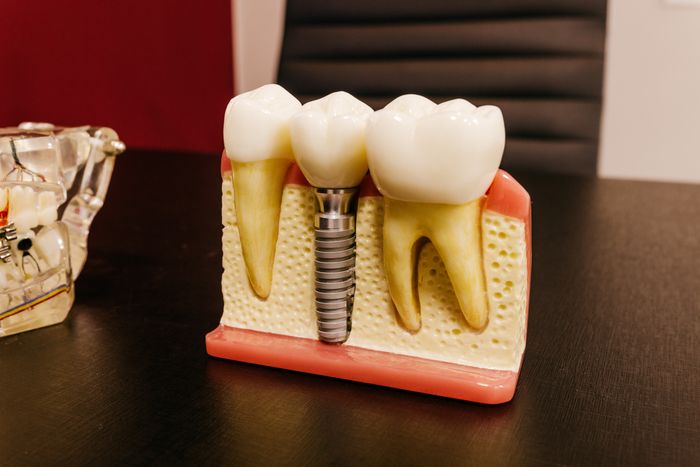
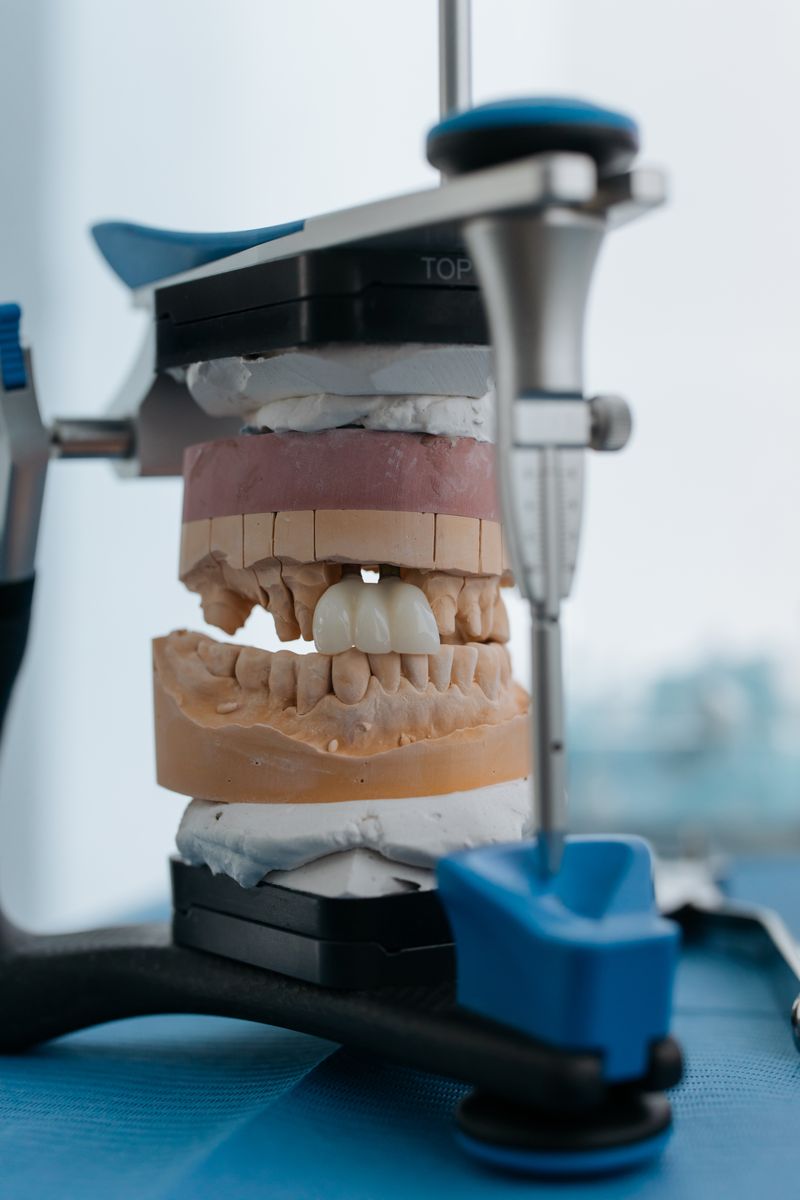
Close-up dental model showing implant-supported replacement teeth in a jaw
Implant-supported teethPhoto by cottonbro studio / Pexels. Editorial illustration; not a VIPmedi case, partner facility, treatment, or result.
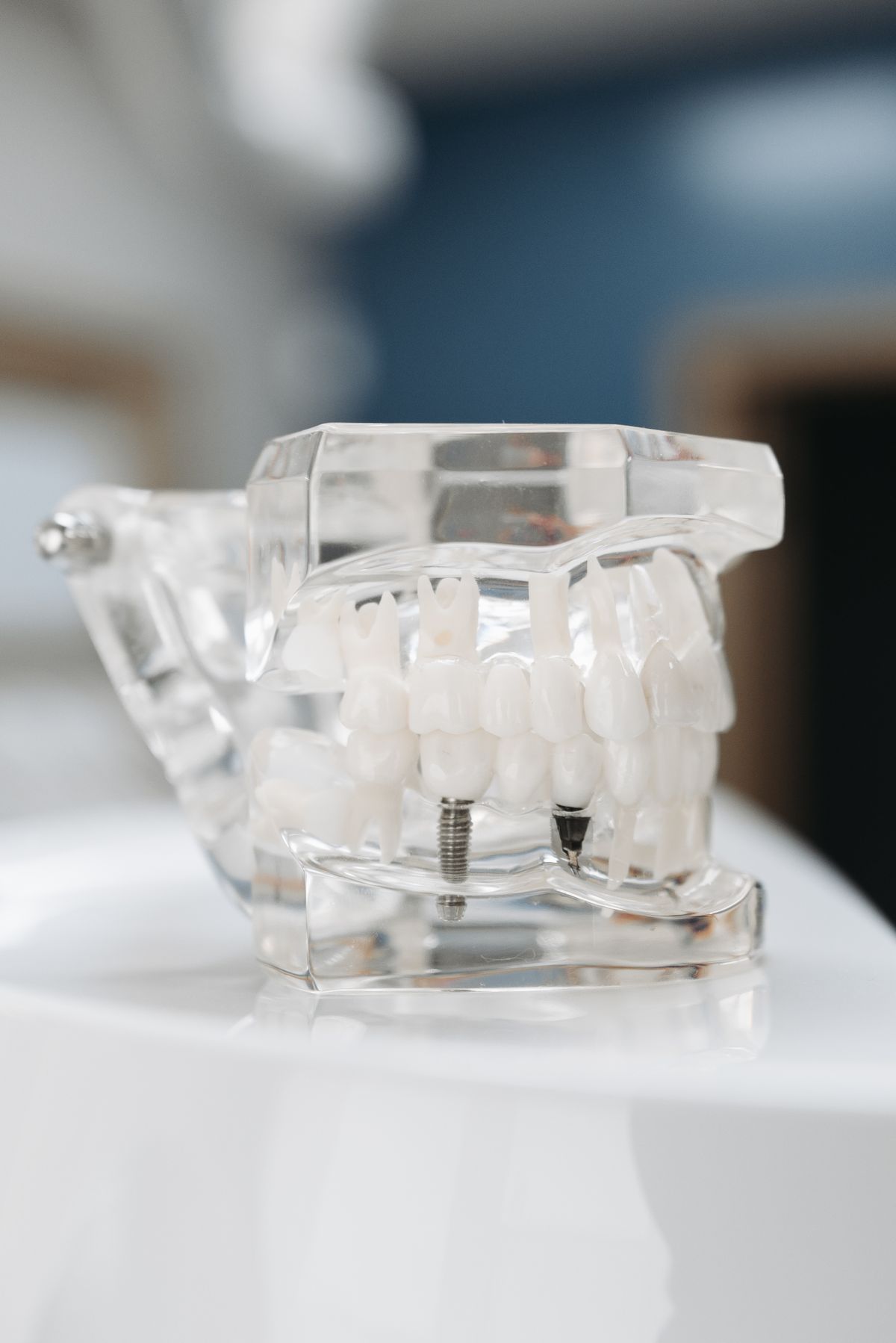
Transparent dental implant model showing replacement teeth connected to implant screws
Implant model: Pavel Danilyuk / Pexels
A full arch—not four individual teeth

What is All-on-4 treatment?

All-on-4 describes a fixed full-arch dental prosthesis supported by four implants in the treated jaw. In the original concept, two implants are generally placed more vertically toward the front and two posterior implants are tilted. The final positions depend on the patient’s anatomy and restorative plan.

The four implants support one connected bridge; they do not replace only four teeth. Treatment of both upper and lower jaws usually means a separate plan and implant set for each arch.

All-on-4® is a Nobel Biocare trademarked treatment concept. Some providers use “all-on-four” more broadly. Ask which implant system and components are proposed, whether the branded protocol is intended, and what documentation you will receive.

Separate the implant, connector, and bridge

What do four implants actually support?

A clear quotation names every layer of the reconstruction and distinguishes the temporary teeth from the definitive prosthesis.

In the jawbone

Four dental implants

Four implant fixtures are planned for one treated arch. Their position, dimensions, system, surface, and primary stability are clinical matters—not choices made from a price list alone.

Confirm: exact system, manufacturer, component availability, and implant record.

Connection

Prosthetic components

Multi-unit abutments, screws, cylinders, or other connectors link the bridge to the implants. Components must be compatible with the chosen system and accessible for maintenance.

Confirm: genuine or compatible parts, retention, and repair pathway.

Early phase

Provisional bridge

“Teeth in a day” commonly refers to a fixed provisional bridge. It may be attached only if the implants reach the team’s loading criteria; it is usually not the final bridge and requires protected function during healing.

Confirm: the backup plan if immediate loading is unsafe.

After healing

Definitive bridge

The final prosthesis is planned after healing and reassessment. Framework, tooth and gum material, cleansability, lip support, speech, bite, repairability, and laboratory design all matter.

Confirm: material, warranty or remake terms, reviews, and maintenance.

“Same-day teeth” is not the same as a guaranteed final bridge. Immediate fixed loading depends on surgical findings and adequate implant stability. If those criteria are not met, the safer plan may involve a removable healing prosthesis or delayed loading.
Diagnosis before implant number

Four parts of a responsible All-on-4 assessment

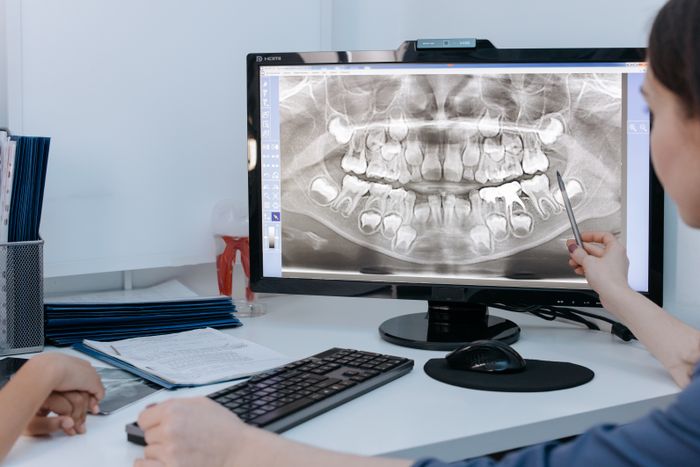
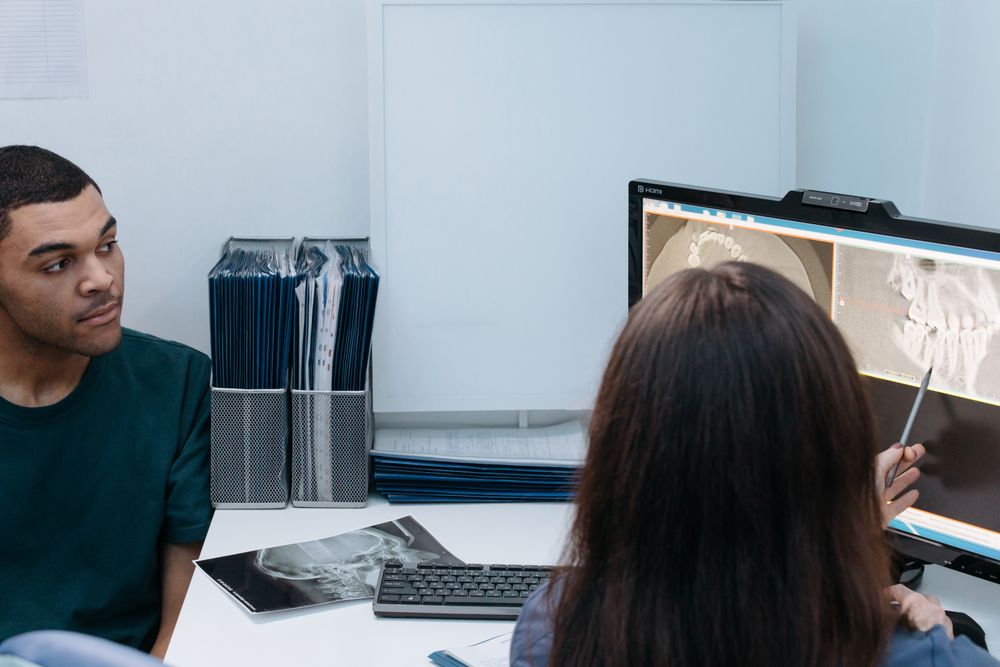
Photographs and a panoramic X-ray can support an initial discussion, but final eligibility normally requires an in-person clinical examination and three-dimensional imaging when indicated.

Health & healing factors

Medical history, allergies, medicines, smoking, diabetes control, immune or healing conditions, previous radiotherapy, and antiresorptive or anticoagulant medicines may change risk and timing. Do not stop prescribed medicine unless your own clinician directs you.

Share relevant history securely →
Dental implant components and a model arranged on a clinical work surfaceImplant components: Jonathan Borba / Pexels

Bone & anatomy

Bone height, width and quality, jaw shape, maxillary sinus, nasal cavity, mandibular nerve, and planned prosthetic position are reviewed. All-on-4 may reduce grafting in selected cases, but it does not guarantee graft-free treatment.

Request imaging-led planning →
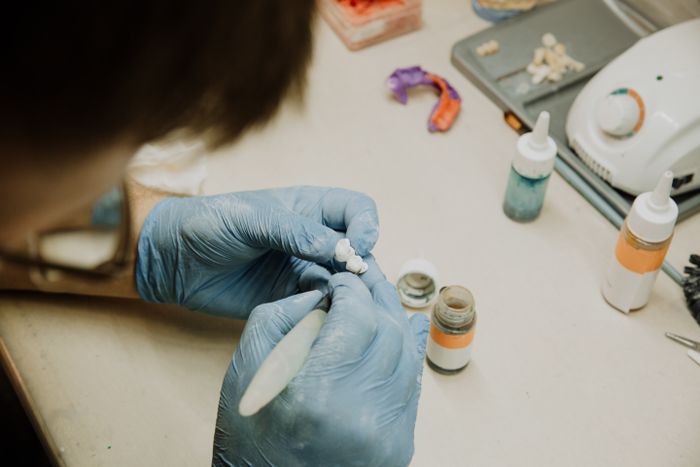
Dental laboratory technician shaping an implant-supported prosthesisProsthetic work: Ivan Babydov / Pexels

Face, bite & bridge design

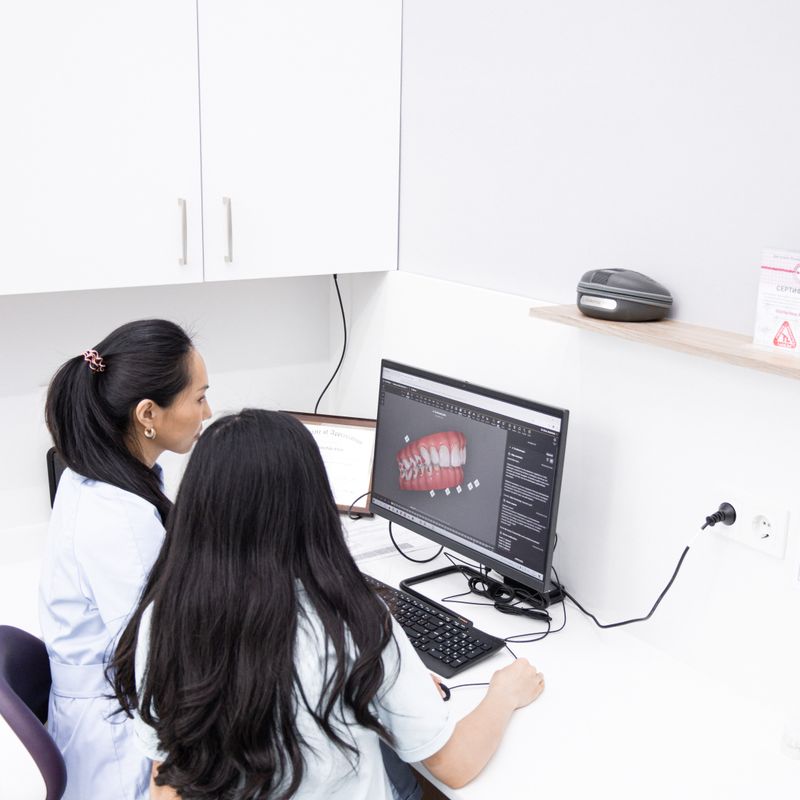
Jaw relationship, bite forces, grinding, smile line, lip support, speech, tooth display, hygiene access, and available prosthetic space shape the plan. Surgery should follow the intended tooth position.

Discuss the restorative plan →

The final recommendation may be All-on-4, more implants, an overdenture, individual implants, conventional dentures, staged grafting, treatment of natural teeth, or no implant surgery. A responsible assessment preserves options.

Surgical and restorative planning must meet

From diagnostic records to a cleansable fixed bridge

Full-arch treatment is a team process involving clinical examination, imaging, implant surgery, restorative design, laboratory production, and long-term maintenance.

01

Records & diagnosis

Medical and dental histories, examination, photographs, periodontal findings, panoramic imaging, CBCT when indicated, and the prognosis of each remaining tooth.

02

Prosthetic-first design

Planned tooth position, bridge volume, lip support, smile line, speech, bite, hygiene contours, material, and repair access guide implant placement.

03

Contingency plan

The consent process should cover what happens if extractions, bone quality, infection, anatomy, or implant stability differ from the preliminary plan.

The number is not the diagnosis

Compare full-arch replacement pathways

The best option depends on anatomy, remaining teeth, health, hygiene ability, functional needs, restorative space, long-term maintenance, and informed preference.

Four implants per arch

All-on-4

A fixed connected bridge on four implants. Tilted posterior implants may help use available bone, but grafting is not automatically avoided.

Ask: why four is appropriate for this arch and what happens if one implant is lost.

More implant support

All-on-6 or All-on-8

Six or eight planned implants may alter support distribution, options, surgery, hygiene, and cost. More implants are not automatically better or possible.

Ask: why the proposed number fits the bone and restorative design.

Removable implant option

Implant overdenture

A removable prosthesis clips onto implants. It may improve stability and can be easier to clean, but attachments, fit, and maintenance require review.

Ask: retention system, daily removal, repairs, relines, and component access.

Preserve or replace selectively

Other pathways

Treating maintainable teeth, individual implants, conventional bridges, or dentures may be appropriate. Some patients need staged grafting or should avoid implants.

Ask: benefits, risks, reversibility, maintenance, and no-treatment consequences.

A staged clinical pathway

How All-on-4 treatment is commonly organised

The exact sequence and travel schedule depend on diagnosis, healing, surgical findings, the provisional plan, laboratory workflow, and review criteria.

01AssessmentHistory, examination, tooth prognosis, gum evaluation, photographs, scans, imaging, and options discussion.
02Written planImplants, components, extractions, grafting, anaesthesia, provisional and final bridges, risks, alternatives, and contingency decisions.
03SurgeryPlanned extractions and implant placement; additional procedures only as clinically indicated and consented.
04Provisional & healingA fixed provisional only if loading criteria are met; otherwise the agreed healing option. Reviews and protected function follow.
05Final bridge & maintenanceReassessment after healing, definitive records, try-in and delivery, bite checks, hygiene instruction, and lifelong reviews.
Do not book travel from a generic package schedule alone.

The clinical team should confirm how many visits and nights are appropriate, what can change after examination or surgery, and how follow-up will work after you return home. Keep reasonable flexibility around treatment.

Plan Your Enquiry
Suitability is individual

Who may be considered—and what risks must be discussed

Age alone does not decide candidacy. The team must assess whether implant surgery and a full-arch prosthesis are reasonable for the person’s health, anatomy, dental condition, hygiene ability, and expectations.

Possible indication

Adults missing all teeth in an arch, or with extensive tooth failure after a tooth-by-tooth prognosis review, may be considered for fixed full-arch rehabilitation.

Health and healing

Smoking, uncontrolled diabetes, medicines, immune or healing disorders, previous radiotherapy, and other health factors may increase risk or require medical coordination.

Daily maintenance

The person must be able and willing to clean around the implants and under the bridge, attend reviews, follow early dietary instructions, and arrange local continuity of care.

Potential surgical and healing complications

  • Pain, swelling, bruising, bleeding, infection, delayed healing, or wound problems
  • Lack of osseointegration, implant movement or loss, and possible additional surgery
  • Nerve injury or altered sensation; sinus or nasal complications; damage to nearby structures
  • Need for grafting or another procedure despite a preliminary expectation of graft-free treatment
  • Anaesthetic or sedation risks, which depend on the technique and individual health

Prosthetic and long-term limitations

Bridge or component problemsScrew loosening, wear, chipping, fracture, loss of retention, food trapping, speech adaptation, or bite concerns may require adjustment or repair.
Tissue and implant diseaseInflammation, peri-implant disease, gum or bone loss, hygiene difficulty, and implant loss remain possible after healing.
Future maintenanceThe provisional or final bridge, teeth, framework, screws, or other components may eventually need professional cleaning, repair, relining, remake, or replacement.

Reasons to pause or modify the plan

  • Active infection or untreated gum disease
  • Unclear prognosis of remaining teeth
  • Health conditions not adequately assessed
  • Inability to maintain bridge hygiene
  • Smoking or healing risks not addressed
  • Insufficient diagnostic imaging or records
  • No realistic follow-up or complication plan
  • Pressure to consent before examination
Coordinated partner-care enquiries

Dental care through our partner groups

VIPmedi can coordinate an enquiry with participating dental services across established hospital networks in Turkey, subject to the branch, clinical team, equipment, and appointment availability appropriate to your case.

Acıbadem logoAcıbadem
Memorial logoMemorial
Medical Park logoMedical Park
Medipol logoMedipol
Medicana

The named hospital or clinic, branch, affiliated sub-brand, implant surgeon, restorative dentist, laboratory, implant system, prosthesis plan, and availability are confirmed case by case. Not every branch provides every implant or full-arch service.

Itemised information by treated arch

What affects the All-on-4 treatment cost

Full-arch estimates are usually built per treated arch—not per tooth. A responsible quotation separates diagnostics, surgery, the provisional bridge, and the definitive prosthesis.

Assessment and imagingClinical examination, periodontal records, photographs, panoramic imaging, CBCT when indicated, scans, and diagnostic planning
Tooth and bone proceduresNumber and complexity of extractions, infection management, bone reduction or grafting, sinus-related procedures, and surgical guide if used
Implants and componentsFour or another number, named manufacturer and system, multi-unit abutments, screws, cylinders, and replacement-part availability
Anaesthesia and facilityLocal anaesthesia, proposed sedation or general anaesthesia when clinically appropriate, theatre or clinic resources, and named team
Provisional and final bridgesImmediate or delayed provisional plan, final material and framework, laboratory, try-ins, delivery, adjustments, and remake conditions
Reviews, travel, and exclusionsPlanned appointments, cleaning and maintenance, complication access, documented hotel or transfers, language support, and items not included
Ask for one written, itemised plan for each arch. It should identify the surgeon, restorative dentist, branch, teeth to preserve or extract, implant system and components, grafting, anaesthesia, provisional pathway, definitive material, laboratory, reviews, travel services, exclusions, and complication or remake policy.
Healing, hygiene, and continuity

Protect the implants and the bridge above them

All-on-4 requires daily cleaning and professional maintenance. Fixed does not mean maintenance-free, and neither implants nor prosthetic components have a guaranteed lifetime.

01Early recovery

Follow the clinical instructions

Use prescribed medicines exactly as directed, follow the clinician’s diet and hygiene plan, and avoid smoking. Do not start or stop medication without appropriate clinical advice.

02Protected healing

Respect the provisional

A provisional bridge is more vulnerable during osseointegration. Follow food-texture and loading instructions and report movement, breakage, bite changes, or worsening symptoms.

03Daily cleaning

Clean under the bridge

Use the toothbrush and bridge-cleaning aids recommended for your design. The team may suggest floss threaders, interdental brushes, or an oral irrigator as an adjunct.

04Long term

Attend clinical reviews

Plan professional checks of tissues, bone, implants, screws, bridge, bite, hygiene access, wear, and any grinding—both in Turkey and with a suitable local dentist.

Leave with a continuity-of-care file. Request your implant passport or labels, manufacturer and component details, tooth and implant chart, X-rays and CBCT where appropriate, operative notes, prosthesis specification, medication and aftercare instructions, review schedule, and emergency contacts.
Seek prompt dental or medical assessment for uncontrolled bleeding, rapidly increasing swelling, fever, pus, worsening pain, persistent or new numbness, an unstable bridge or implant, or a significant bite change. Seek urgent local care for difficulty breathing or swallowing.
Quick answers

All-on-4 dental implant FAQs

How do I start an All-on-4 dental implant enquiry?

Use the Contact Us page to describe missing or failing teeth, dental and medical history, medicines, smoking, previous implants or dentures, and preferred travel period. Ask how requested photographs, X-rays, or records should be shared securely.

What does All-on-4 mean?

It means one fixed full-arch prosthesis supported by four implants in the treated jaw. In the original concept, two anterior implants are generally straighter and two posterior implants are tilted. Final placement depends on anatomy and prosthetic planning.

Is it four implants total or four implants per arch?

Four implants support one treated arch. If both upper and lower jaws are treated, each normally needs its own assessment, implant plan, and prosthesis. Ask whether a quotation is for one arch or both.

Does each implant replace one tooth?

No. The four implants act as supports for one connected full-arch bridge. This differs from replacing selected teeth with individual implant crowns.

Will all my remaining teeth be extracted?

Not automatically. Every remaining tooth should receive a documented prognosis. The dentist should explain which teeth are maintainable, which are not, why extraction is proposed, and what tooth-preserving alternatives exist.

Can I receive fixed teeth on the same day?

Sometimes a provisional fixed bridge can be attached soon after surgery, but only if implant stability and other clinical criteria are met. The decision may change during surgery. Ask for the planned alternative if immediate loading is unsafe.

Is the same-day bridge my final bridge?

Usually it is a provisional prosthesis intended for the healing period, not the definitive bridge. Confirm its material, diet and care restrictions, repair terms, and when and how the final prosthesis will be made.

Does All-on-4 always avoid bone grafting?

No. Tilted implants may help use available bone in selected anatomy, but CBCT findings, defects, sinus position, infection, implant stability, and the restorative plan may still indicate grafting, another procedure, more or fewer implants, or a different treatment.

Is All-on-4 better than All-on-6 or All-on-8?

No implant number is automatically best. The choice depends on bone, anatomy, restorative space, implant distribution, health, hygiene, prosthesis design, maintenance, risk planning, and the surgeon-restorative team’s clinical reasoning.

Who may not be suitable for All-on-4?

Suitability may be affected by uncontrolled dental infection, untreated gum disease, poor healing capacity, inadequately controlled medical conditions, smoking, certain medicines or previous treatments, unsuitable anatomy, inability to clean the bridge, or lack of follow-up. An individual team must assess these factors.

Is All-on-4 painful, and what anaesthesia is used?

Implant surgery is commonly performed with local anaesthesia; sedation or general anaesthesia may be considered in selected settings. Postoperative pain, swelling and bruising vary. The treating team should discuss anaesthesia, anticipated recovery, prescribed medicines, and individual risks.

How long should I stay in Turkey?

The clinical team determines the schedule after reviewing extractions, surgical complexity, immediate or delayed loading, provisional work, healing, laboratory stages, and required reviews. Full-arch treatment may involve separate surgical and definitive-prosthesis visits. Keep travel flexible.

How long does healing take before the final bridge?

Osseointegration takes time and varies with the jaw, bone, surgery, implant stability, health, smoking, and healing. The final bridge should be timed according to clinical reassessment rather than a universal calendar promise.

How do I clean under an All-on-4 bridge?

Brush as directed and clean the space under the bridge with aids recommended for its design, such as a floss threader, suitable interdental brush, or oral irrigator as an adjunct. Professional maintenance remains necessary.

What should the written treatment estimate and records include?

Confirm each arch, teeth to preserve or extract, clinician and branch, imaging, implant system and components, grafting, anaesthesia, provisional backup, definitive bridge material and laboratory, visits, maintenance, travel services, exclusions, and complication or remake policy. Contact VIPmedi for an individual enquiry.

Take the next step

Let’s discuss All-on-4 dental implants in Turkey

Tell us about your teeth or dentures, relevant medical and dental history, previous imaging, and when you hope to travel. VIPmedi can help coordinate the next appropriate enquiry with a participating partner facility.

Contact VIPmedi Email: [email protected]

Use the contact page for your initial enquiry. Avoid sending identity documents or full medical records in the first message; ask how requested information should be shared securely.