Marriage documentation
IVF treatment is provided within the legal framework for married couples. The centre must confirm which original, translated, notarised or apostilled documents it requires before travel.

Plan IVF around a documented fertility diagnosis, ovarian response, sperm factors, embryology decisions, Turkey’s current eligibility rules and a realistic strategy for one cycle or more.
IVF brings eggs and sperm together in a laboratory before a selected embryo is transferred to the uterus. It is a sequence of medical and laboratory decisions—not a single procedure—and it cannot guarantee fertilisation, a transferable embryo, pregnancy or live birth.
Before travel, the treating centre must confirm legal eligibility, medical suitability, required marriage documents, the proposed protocol, medication plan, expected stay and what is—and is not—included.


Medication stimulates the ovaries to develop several follicles. Ultrasound—and sometimes blood tests—guides the dose and timing. A trigger medicine completes final egg maturation before eggs are collected through the vaginal wall under ultrasound guidance, usually with sedation or anaesthesia.
Prepared sperm is then placed with the eggs for conventional IVF, or a single sperm is injected into each suitable mature egg during ICSI. Embryologists check fertilisation and observe development. Depending on the clinical and legal plan, an embryo may be transferred in the same cycle, all suitable embryos may be frozen for later use, or the cycle may end without a transfer.
A positive test is an early milestone, not the final outcome. Early ultrasound is needed to confirm location and development of the pregnancy, after which care is handed to an obstetric team.
Turkey regulates assisted reproductive treatment. International status does not remove local legal requirements.
IVF treatment is provided within the legal framework for married couples. The centre must confirm which original, translated, notarised or apostilled documents it requires before travel.
The treatment uses reproductive cells belonging to the married partners. Donor eggs, donor sperm and donor embryos are not treatment options in Turkey.
Surrogacy is prohibited. VIPmedi does not arrange a surrogate, donor programme or third-party reproductive treatment in Turkey.
Family balancing or choosing a child’s sex for personal preference is not offered. Any sex-linked genetic-disease question requires formal genetics and legal review.
Legal eligibility does not mean IVF is medically appropriate. The fertility specialist considers reproductive age, ovarian response, sperm, uterine factors, general health and previous treatment.
The treating licensed centre must confirm current requirements, embryo-transfer limits, storage terms, consent rules and permitted genetic testing for the individual case.
Ovarian-reserve tests help estimate response and possible egg yield. They do not by themselves measure egg quality or guarantee whether treatment will produce a baby.
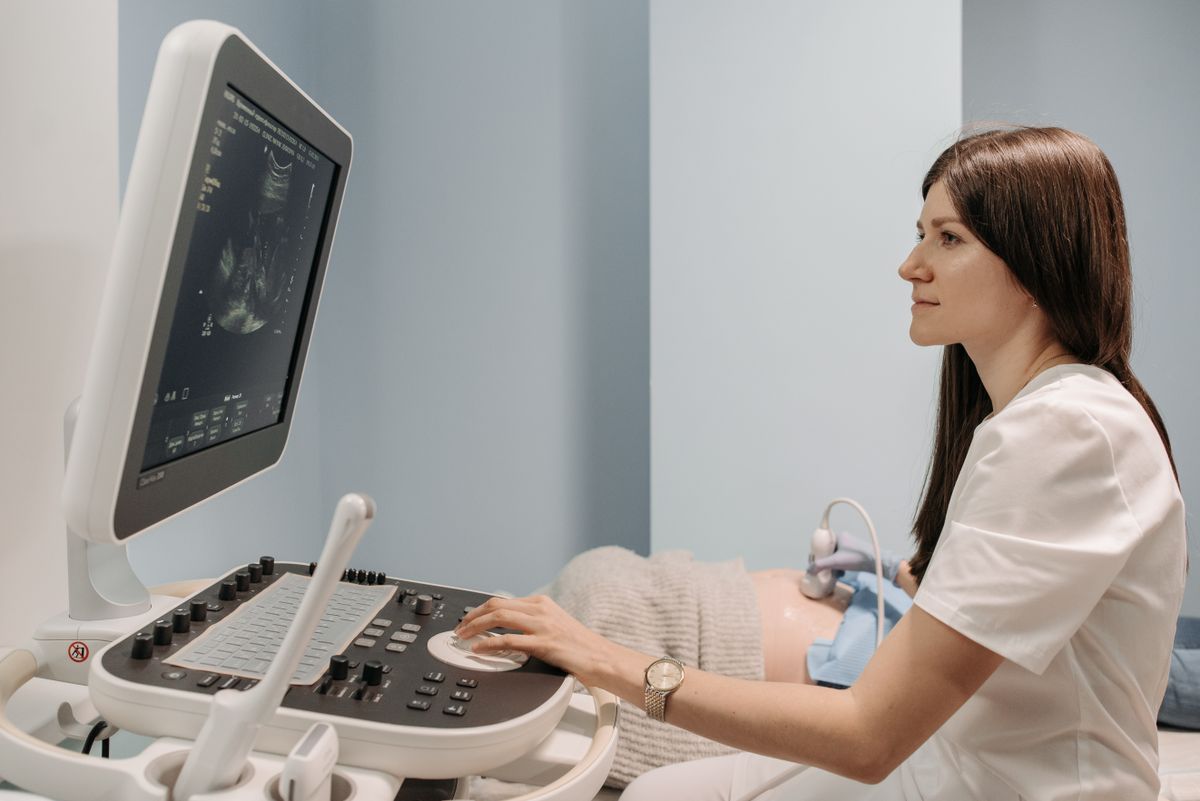


Photography is illustrative. Exact scans, blood tests, medication products, doses, injection devices and monitoring frequency are prescribed by the treating team.
The calendar below is a pathway, not a promise. Follicle response, hormone results, egg maturity, fertilisation, embryo development and safety can change the next step.
Daily fertility medicines encourage multiple follicles to develop. Ultrasound and, where required, blood tests help adjust medication and decide when to give the final maturation trigger.
Decision point: Continue, change the dose, trigger, cancel for poor response, or change strategy if the response creates excessive risk.

At a carefully timed interval after the trigger, a needle guided by transvaginal ultrasound collects fluid from the follicles. Sedation or anaesthesia and recovery protocols vary. A sperm sample is prepared or a pre-arranged frozen or surgically retrieved sample is used.
Reality check: Not every follicle contains an egg, and not every collected egg is mature or suitable for fertilisation.

Suitable eggs are inseminated through conventional IVF or ICSI. The laboratory checks fertilisation and observes embryos over the following days. Some embryos stop developing; others may be suitable for transfer, freezing or medically indicated testing.
Ask the lab: Identification controls, culture strategy, fertilisation report timing, embryo-update policy and freezing criteria.

A fresh transfer may follow in the same stimulation cycle when clinically appropriate. A freeze-all plan postpones transfer—for example, to reduce OHSS risk, await testing or prepare the uterine lining later. Frozen embryo transfer is a separate treatment stage.
Transfer is not implantation: A technically completed transfer can still result in a negative test, biochemical pregnancy, miscarriage or ectopic pregnancy.
The clinic should explain the planned embryo number under current Turkey rules and why it is appropriate. Transferring more than one embryo can substantially increase multiple-pregnancy risk; “more” is not automatically better.
The laboratory method should match the sperm findings, egg number and maturity, previous fertilisation history and planned testing—not marketing language.
Prepared sperm and suitable eggs are placed together in controlled culture conditions so fertilisation can occur without direct sperm injection.
An embryologist injects one selected sperm into the cytoplasm of each suitable mature egg using micromanipulation equipment.
Which eggs will receive which method, whether rescue ICSI is available or appropriate, how fertilisation is reported, how embryos are graded, which embryos are frozen and what happens if there is no embryo suitable for transfer.
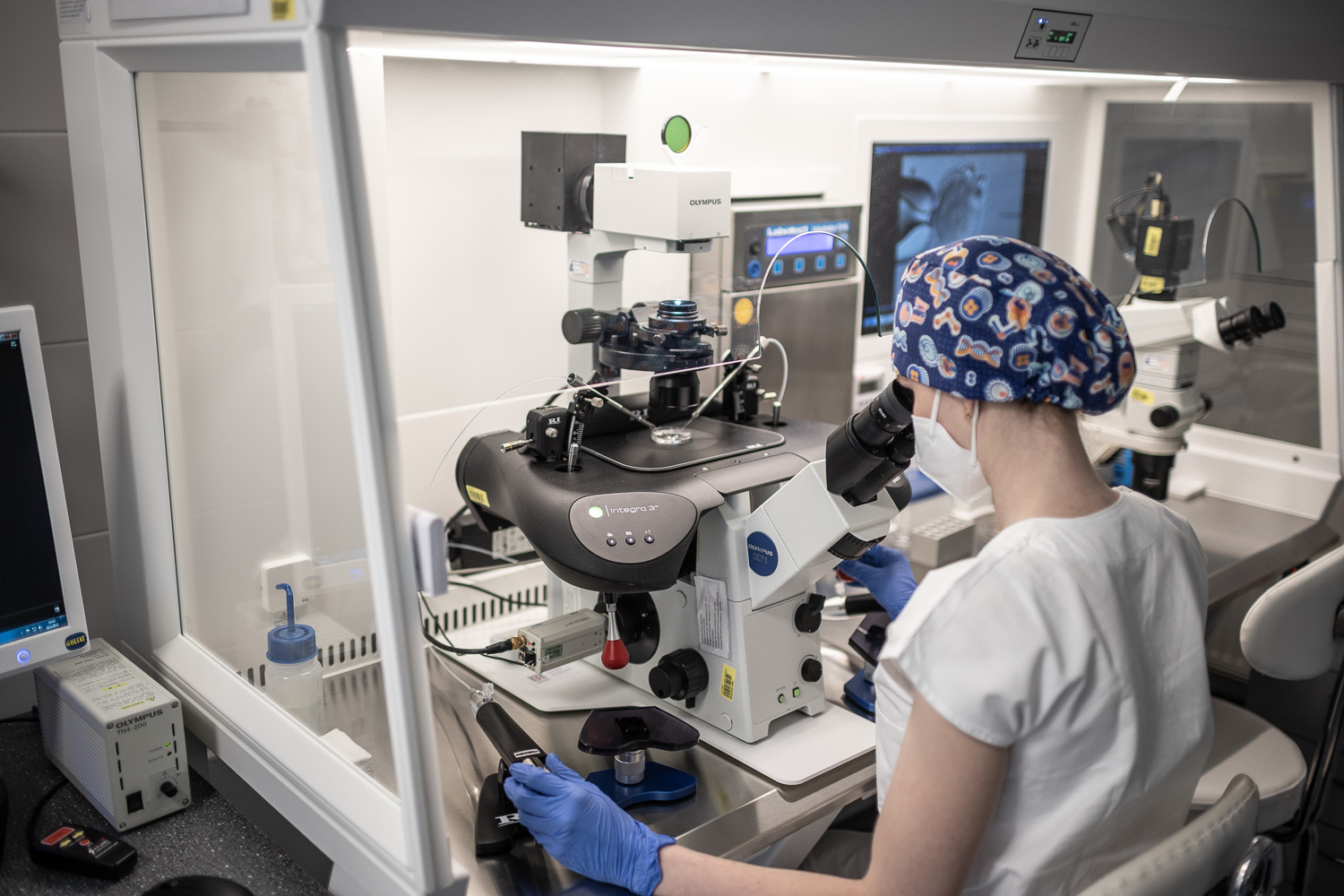
This photograph is directly relevant because it shows the micromanipulation workstation used for ICSI. It is not a VIPmedi or partner-hospital photograph and must not be presented as one.
Publication status: obtain written permission from the rights holder or replace it with approved partner photography before publishing commercially. Keep the credit and warning visible until clearance is documented.
Laboratory equipment alone does not predict outcome. Ask about the people, quality systems, traceability, culture conditions, reporting, cryopreservation, incident procedures and continuity of care behind the technology.
Transfer or freezing day depends on embryo number and development, history, laboratory policy and the clinical plan. Extended culture can provide more developmental information but not every embryo reaches blastocyst.
A freeze-all strategy can separate stimulation from transfer. It may be recommended for safety, uterine preparation, testing or scheduling, but it adds a later treatment stage and cost.
Where medically indicated and legally permitted, preimplantation genetic testing may add information. It can produce no-result or uncertain findings, may leave no embryo suitable for transfer and does not guarantee a healthy baby.
The goal is not the highest immediate pregnancy-test rate at any cost. Embryo number must follow current rules and balance prognosis against the maternal and neonatal risks of multiple pregnancy.
VIPmedi coordinates records and enquiries; the treating fertility specialist and licensed centre make every medical, laboratory and legal decision.

Stimulation can begin locally or in Turkey only when the treating centre has agreed who prescribes, who monitors, which laboratory performs tests and how same-day results are shared. Retrieval timing can move as follicles respond.
Plan an adult escort after sedation or anaesthesia, flexible accommodation, transport that does not depend on driving yourself, and access to urgent care. The clinician—not a flight schedule—decides whether you are stable to travel.
If a fresh transfer is planned, confirm the testing date and where early pregnancy care will occur. If all embryos are frozen, clarify whether a later trip is needed for frozen embryo transfer.
Obtain written confirmation of eligibility, partner branch, clinician, tests, medication sourcing, likely treatment window, retrieval escort requirement, transfer strategy, cancellation terms and after-hours contact.
Most people do not experience a serious complication, but the cycle should include a prevention, recognition and emergency-care plan.
Bloating, bruising, headache and mood or abdominal symptoms can occur. Ovarian hyperstimulation syndrome may cause enlarged ovaries and fluid shifts; severe cases can affect breathing, urine output and clotting and may require hospital care.
Bleeding, infection, pain, anaesthetic reaction and injury to nearby pelvic structures are uncommon but possible. Ovarian torsion is also a recognised risk during or after stimulation.
The team may recommend stopping because of inadequate or excessive response, unsafe hormone findings, premature ovulation, illness, unavailable sperm or another clinical concern.
There may be no eggs, no mature eggs, no fertilisation, abnormal fertilisation, arrested development, no embryo meeting transfer or freezing criteria, or no embryo suitable after testing.
IVF can result in no pregnancy, biochemical pregnancy, miscarriage, ectopic or heterotopic pregnancy. Early assessment is essential after a positive result, especially with pain or bleeding.
Transferring more than one embryo increases the chance of twins or higher-order pregnancy, with greater risks of prematurity and complications for the pregnant patient and babies.
VIPmedi can coordinate IVF enquiries with participating reproductive-medicine teams within Acıbadem, Memorial, Medical Park, Medipol and Medicana. The exact branch, licensed unit, fertility specialist, embryology service and availability must be confirmed for each case.
 Acıbadem
 Memorial
 Medical Park
 Medipol
 Medicana
Logos identify VIPmedi partner groups; they do not mean that every branch provides IVF, that a specific clinician is available, or that a treatment has been approved. Dünyagöz is an eye-care partner and is intentionally not presented as an IVF provider.
A useful quotation names the cycle stage, services, medication assumptions and exclusions. A headline package may not represent the total pathway.
Follow the treating team’s exact instructions. Internet timelines cannot clear an individual patient to fly, exercise, have sex, stop medication or return to work.
Rest during monitored recovery. Cramping and light bleeding can occur; receive written medication, activity, infection, OHSS and emergency instructions. Do not drive after sedation or anaesthesia.
Confirm when and how fertilisation and embryo-development reports will arrive, who discusses unexpected findings and when transfer, freezing or cancellation is decided.
Take luteal-support medicine exactly as prescribed. Routine bed rest has no role unless your own clinician identifies a separate reason; ask about activity and travel for your case.
Testing too early can mislead, especially after trigger medication. Continue or stop medicine only on clinical instruction and arrange repeat blood tests or ultrasound when requested.

After a positive result, repeat hormone testing and early ultrasound may be used to confirm that the pregnancy is developing in the uterus. Pain, bleeding, faintness or shoulder-tip pain needs urgent evaluation for ectopic pregnancy even after IVF.
A negative test can be emotionally and physically difficult. Request a proper cycle review: stimulation response, egg maturity, fertilisation, embryo development, transfer details and which—if any—changes are evidence-based for another attempt.
If embryos are stored, keep contact details current and understand consent, renewal dates, storage fees, legal limits and what happens after separation, death, missed renewal or a decision not to continue.
General information only. Your treating fertility specialist’s instructions and current Turkey regulations take priority.
IVF is assisted reproductive treatment in which eggs are collected from the ovaries and fertilised with sperm in a laboratory. A resulting embryo may later be transferred to the uterus. Stimulation, monitoring, retrieval, embryology, transfer and follow-up are separate steps, and a cycle can stop at any one of them.
Turkey’s framework is for medically appropriate married couples using their own eggs and sperm. The treating centre must verify marriage documents, identities, medical suitability and current legal requirements before treatment. International patients are subject to the same local rules. Contact VIPmedi for a pre-travel document check.
No. Third-party donor eggs, donor sperm and donor embryos are not treatment options in Turkey. Surrogacy is also prohibited. VIPmedi does not arrange these services in Turkey.
Non-medical sex selection for preference or family balancing is not offered. A serious sex-linked genetic-disease question requires formal genetic counselling and confirmation of what is medically indicated and legally permitted; no result or permission should be assumed.
In conventional IVF, prepared sperm and eggs are placed together. In ICSI, an embryologist injects one sperm into each suitable mature egg. ICSI may be appropriate for important male-factor infertility and selected other situations, but it does not guarantee fertilisation, embryo development, pregnancy or live birth. See the ICSI guide.
There is no single universal calendar. Preparation may precede stimulation, monitoring determines trigger and retrieval timing, embryos are cultured for several days, and a freeze-all plan can move transfer into a later cycle. Ask for a provisional timeline with flexible travel dates.
That depends on where baseline testing and stimulation begin, the monitoring arrangement, ovarian response, retrieval recovery, whether a fresh transfer is planned and the clinician’s travel clearance. Some couples need more than one trip. Do not book a fixed stay before receiving the centre’s plan; request a case-specific timeline.
Sometimes, but only through an agreed shared-care plan. The treating centre must specify the scan measurements, blood tests, timing, medication authority, same-day reporting method and who is responsible if results are delayed or the response is unsafe. Use the contact page to ask whether remote monitoring is possible for your proposed unit.
AMH and antral follicle count help estimate how the ovaries may respond and the likely egg yield. They are not standalone measures of egg quality and do not by themselves predict pregnancy or live birth. Age, diagnosis, sperm, uterine factors, embryo development and prior treatment also matter.
No. A follicle may yield no egg; a retrieved egg may be immature or unsuitable; a mature egg may not fertilise; and a fertilised egg may stop developing. Ask the team to report follicle response, eggs retrieved, maturity, fertilisation and embryo development separately.
Neither is automatically better for every patient. A fresh transfer may be appropriate when the response, uterine lining and safety allow. Freeze-all may be advised for OHSS risk, testing, uterine preparation or another clinical reason. Frozen transfer requires a later cycle and its own medication, monitoring and cost plan.
No. Preimplantation genetic testing can provide information for selected indications but cannot test for every condition or guarantee implantation, pregnancy or a healthy child. Biopsy and test limitations, mosaic or uncertain findings, no-result cases, the possibility of no suitable embryo and recommended prenatal testing should be discussed.
Ovarian hyperstimulation syndrome is an excessive response to stimulation medicine. Seek urgent advice for worsening abdominal pain or swelling, persistent vomiting, shortness of breath, chest symptoms, fainting, rapid weight increase or reduced urine. Symptoms can worsen around a positive pregnancy test.
There is no universal flight-clearance timetable. After retrieval, consider anaesthesia recovery, pain, bleeding and OHSS risk. After transfer, the main issue is overall clinical stability and access to urgent care. The treating clinician should clear travel and document what to do if symptoms develop; ask VIPmedi to include this in the care plan.
Use the contact page to send both partners’ ages, marriage status, fertility history, prior pregnancies and losses, diagnoses, operations, recent ultrasound and hormone results, semen analyses, prior IVF and embryo reports, medicines, relevant health conditions and preferred travel period. Do not send more identifying information than requested through an insecure channel.
Tell us the fertility diagnosis, both partners’ ages, marriage status, prior treatment, available tests and your travel window. VIPmedi will coordinate a review with an appropriate participating fertility unit and return with the requested records, next steps and an itemised proposal where available.
VIPmedi is a medical-travel coordination service, not the treating clinic. Diagnosis, prescriptions, laboratory decisions, consent, legal eligibility and emergency care remain with licensed healthcare professionals and facilities.