Surgical body contouring

Liposuction in Turkey

Explore liposuction with clear treatment-area mapping, skin-quality assessment, technique and device verification, documented anaesthesia and facility planning, and coordinated recovery after surgery.

Liposuction removes selected deposits of fat beneath the skin through small access incisions and a cannula. Its purpose is to change contour—not to treat obesity, replace weight management, or guarantee a particular body shape.

Area-by-area planSkin-quality assessmentSafe recovery planning

Final suitability, treatment areas, technique, fat-removal limits, anaesthesia, facility level, combination procedures, hospital stay, compression, travel timing, and aftercare require an examination and written plan from the treating plastic surgeon.

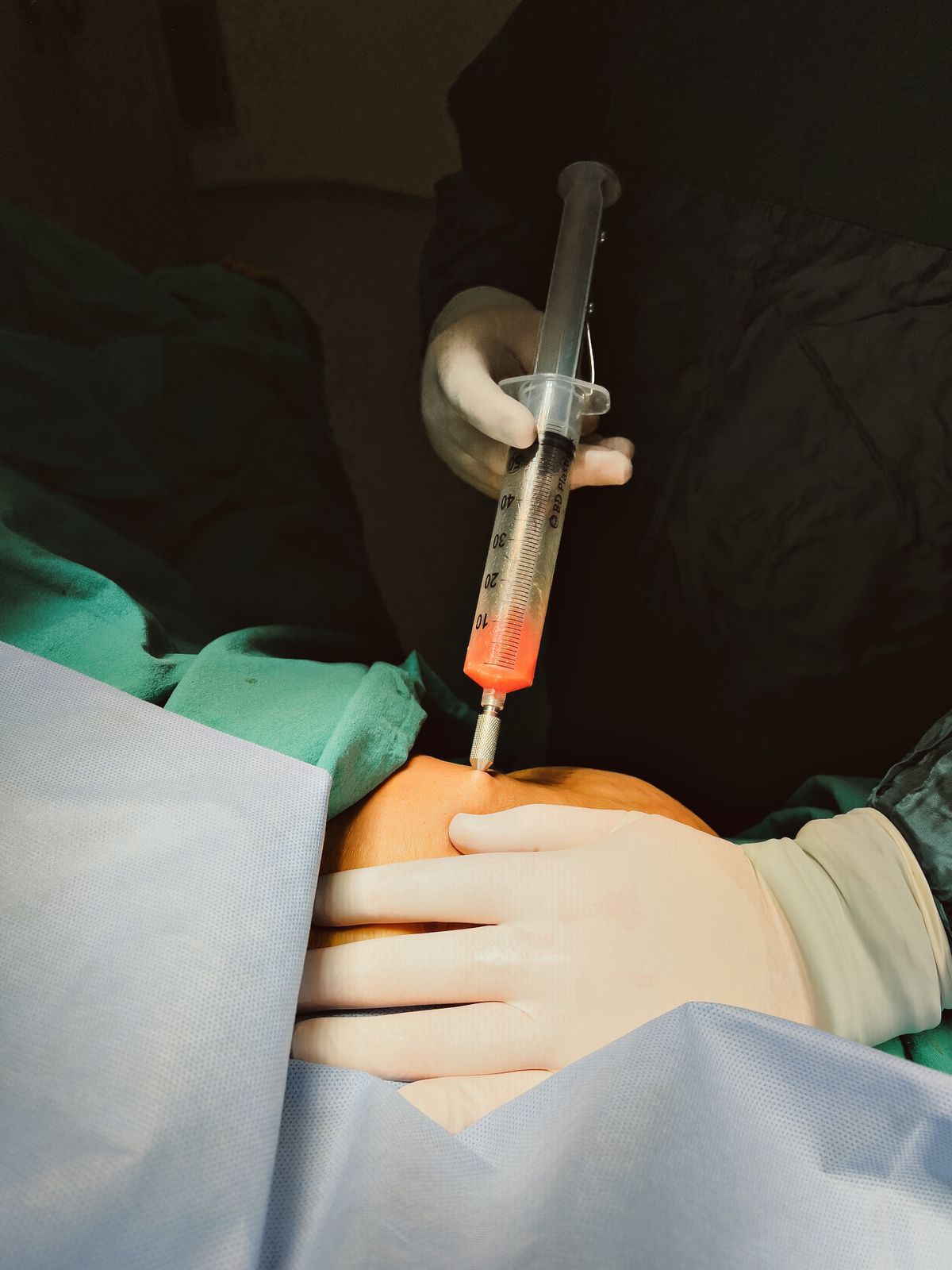
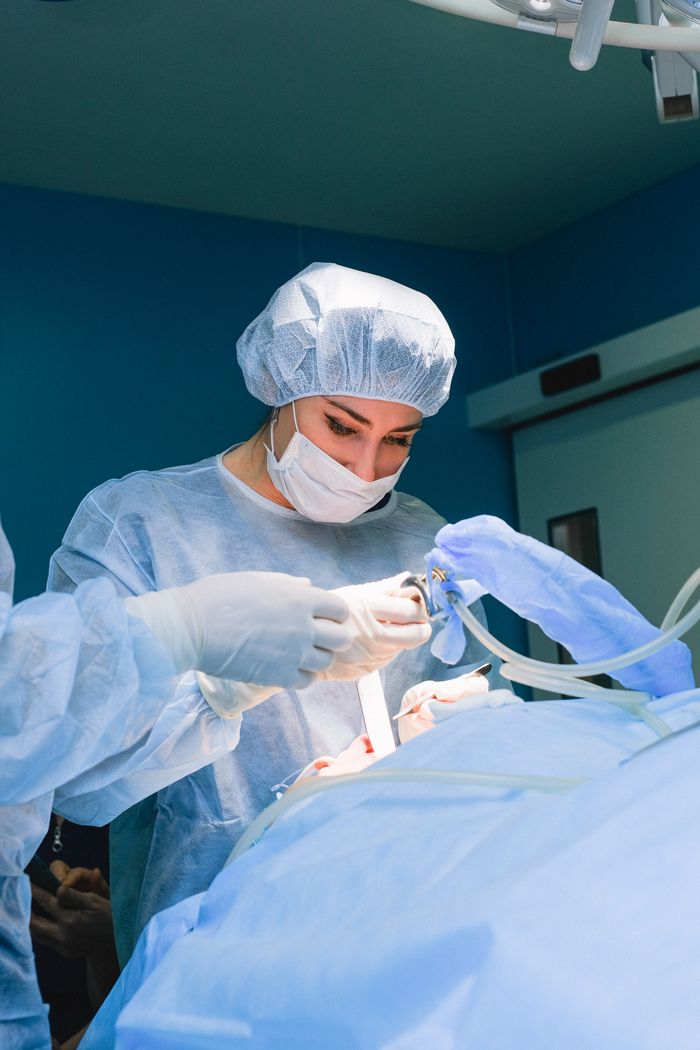
Close-up of a surgeon performing a liposuction procedure in a sterile operating environment
Liposuction procedurePhoto by Mehmet Turgut Kirkgoz / Pexels. Editorial illustration; not a VIPmedi patient, partner facility, treatment, or result.
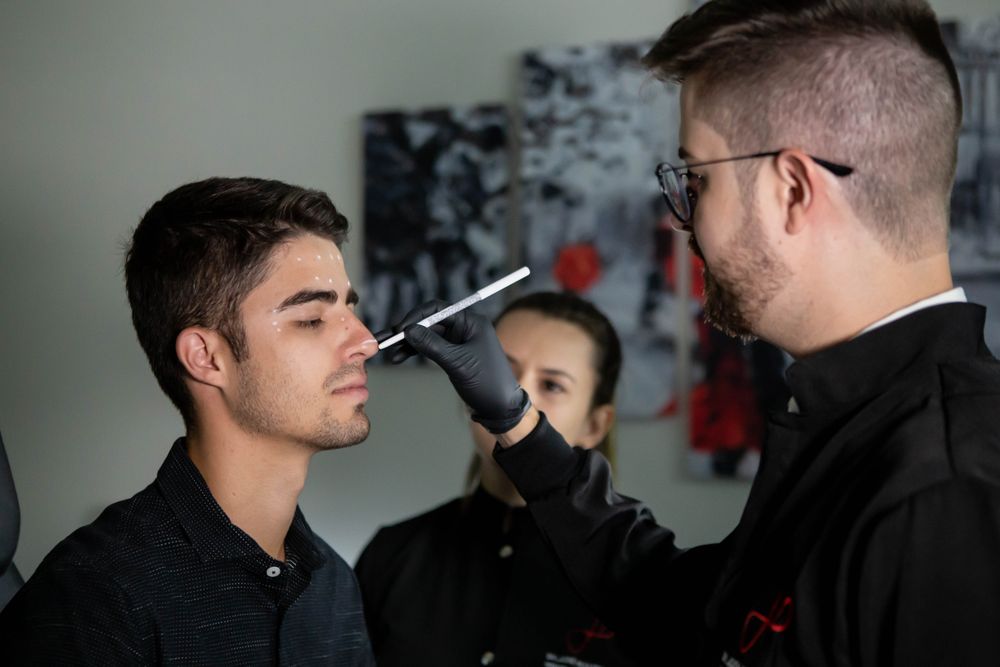
Healthcare professional assessing subcutaneous body fat with a skinfold caliper during consultation
Body assessment: Lucas Guimarães Bueno / Pexels
Contour change depends on more than fat

What is liposuction?

Liposuction is an operation that uses a narrow tube called a cannula and suction to remove selected subcutaneous fat—the fat located beneath the skin—from planned body areas.

The surgeon evaluates fat thickness and distribution together with skin elasticity, muscle and abdominal-wall anatomy, scars, asymmetry, swelling, hernias, overall proportions, and the contour the patient wants to change.

Removing more fat is not automatically better. The goal, safe treatment extent, and likely skin response need to be agreed area by area. Normal asymmetry can remain, and revision or skin-removal surgery may still be discussed.


Set the correct objective before surgery

What liposuction can—and cannot—change

A responsible plan distinguishes removable subcutaneous fat from weight, internal abdominal fat, loose skin, cellulite, muscle separation, and medical swelling conditions.

Potential use

Localized subcutaneous fat

Liposuction may reduce selected fat deposits on areas such as the abdomen, waist, hips, thighs, upper arms, back, chest, knees, calves, ankles, chin, or neck when the anatomy and skin are suitable.

Confirm: exact boundaries, side-to-side differences, and expected contour—not a vague “360” label.

Not weight-loss treatment

Body weight and obesity

Liposuction does not treat obesity, metabolic disease, or the causes of weight gain. It is not a substitute for nutrition, activity, medical weight management, or bariatric assessment.

Confirm: whether weight should be stable before contour surgery.

Not reached by the cannula

Visceral abdominal fat

Fat around internal abdominal organs lies beneath the abdominal muscles and cannot be removed with routine liposuction. Abdominal fullness may also reflect muscle separation, bloating, or posture.

Confirm: what is creating the visible contour.

May need another strategy

Loose skin, cellulite & stretch marks

Liposuction does not reliably tighten significant excess skin, eliminate cellulite, or remove stretch marks. Removing fat can make laxity or rippling more visible in some patients.

Confirm: likely skin response and skin-removal alternatives.

Do not judge suitability from a photograph alone. A similar-looking abdomen may result from subcutaneous fat, visceral fat, loose skin, muscle separation, a hernia, swelling, or a combination. These conditions require different plans.
Map the patient, not a package name

Four parts of a responsible liposuction assessment

The surgeon should connect the requested areas to health, anatomy, skin quality, anaesthesia, total surgical extent, and a realistic recovery plan.

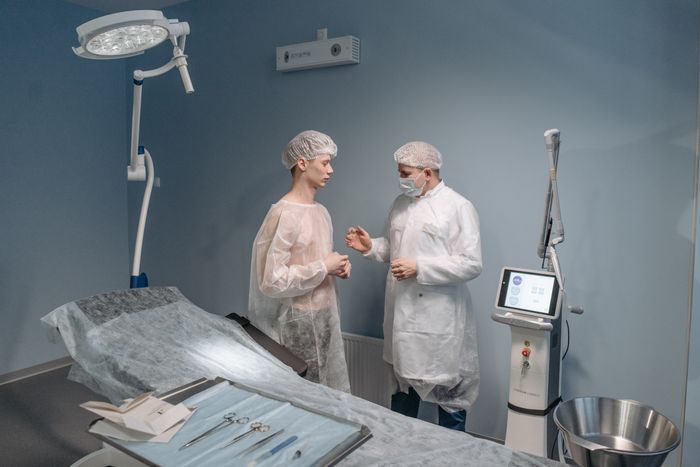
Doctor and patient discussing a procedure in a clinical consultation roomClinical consultation: Pavel Danilyuk / Pexels

Goals & treatment map

Define the exact front, side, and back areas; existing asymmetry; scars; previous procedures; priority contours; and what outcome would or would not be acceptable. “Lipo 360” must be translated into named anatomical areas.

Describe the areas you want assessed →
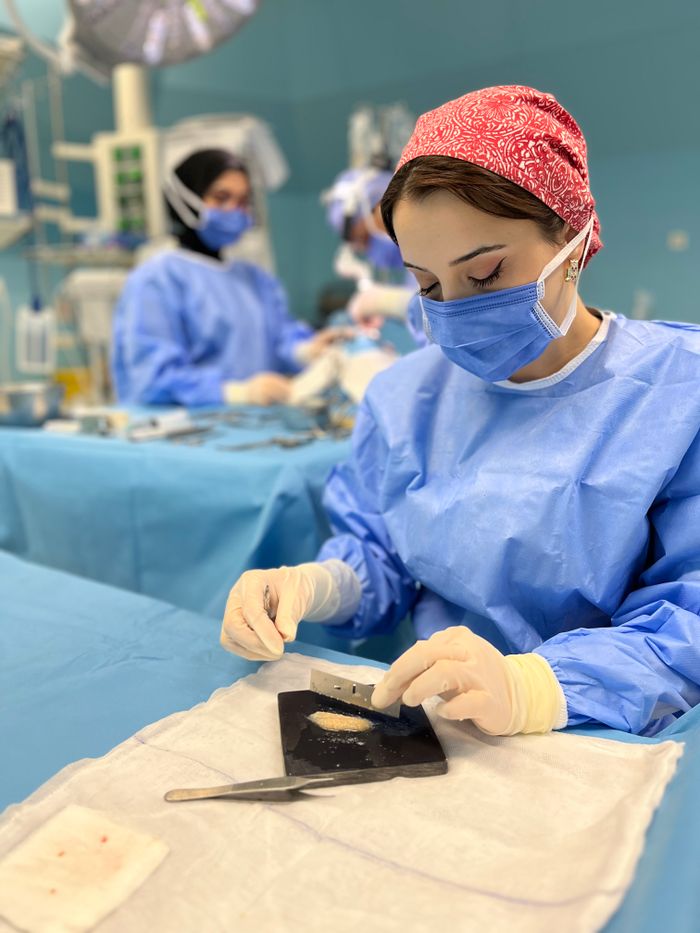
Surgeon preparing sterile instruments in a modern operating roomSurgical preparation: Zeynep Özata / Pexels

Health, medicines & clot risk

Medical history, weight stability, previous operations, anaesthesia history, allergies, smoking or nicotine, medicines and supplements, bleeding risk, clot history, pregnancy plans, and healing conditions can change eligibility and preparation.

Ask how to share history securely →
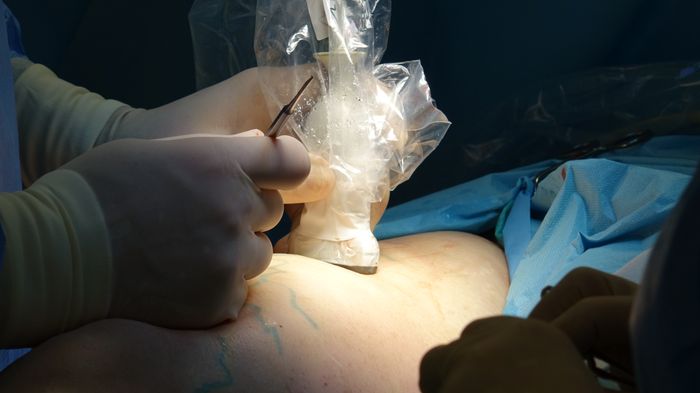
Gloved clinical team using ultrasound guidance and surgical instruments during a procedureImage-guided procedure: Viktors Duks / Pexels

Fat, skin & deeper anatomy

The examination assesses pinchable fat, skin elasticity, cellulite, stretch marks, muscle separation, hernia, scars, vascular or swelling conditions, and whether ultrasound or other imaging is clinically indicated.

Request an anatomy-led review →
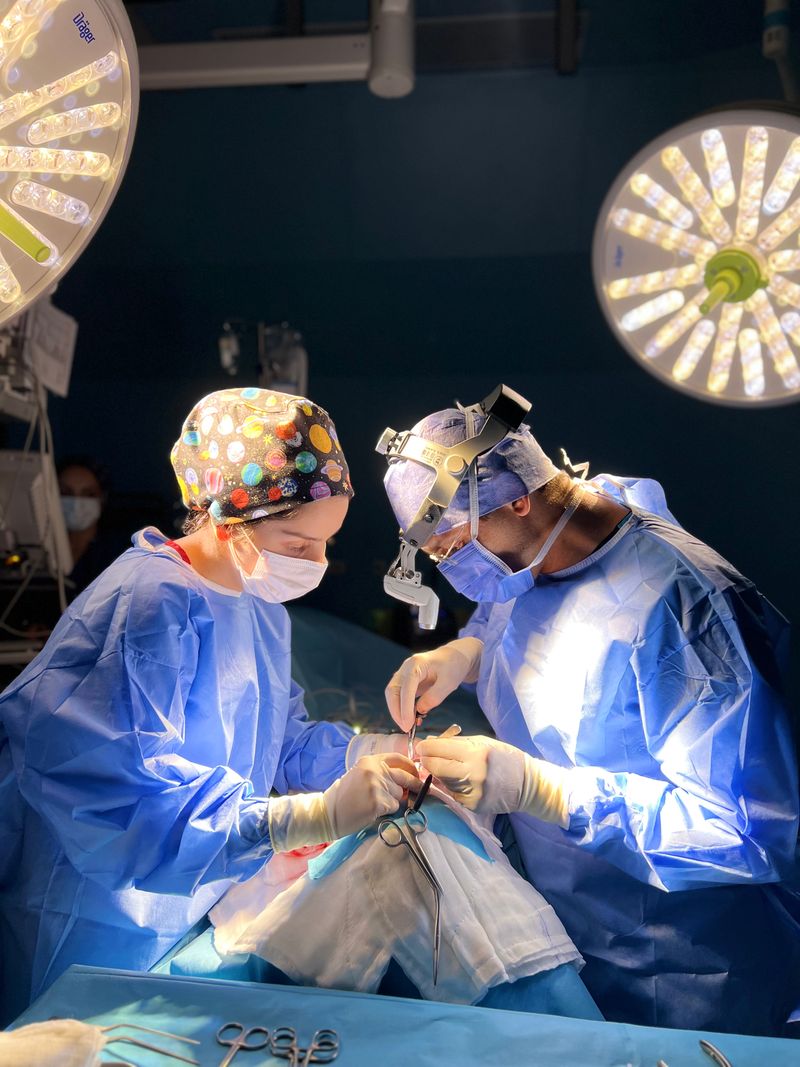
Female surgeon performing an operation in a sterile theatreOperating theatre: Anna Shvets / Pexels

Total surgical plan

The team considers all treated areas, expected fluid and fat removal, surgery duration, patient positioning, anaesthesia, monitoring, facility level, overnight care, other procedures, and travel-related clot risk together.

Clarify the complete operation →

Do not compare quotations only by the number of “areas.” One clinic’s abdomen may be another clinic’s upper abdomen, lower abdomen, flanks, and waist. Ask for a marked diagram and the total planned operation.

A device does not replace surgical judgment

Liposuction techniques and technology claims

The surgeon may use more than one technique. The correct choice depends on the area, tissue, prior surgery, planned volume, device training, anaesthesia, and the surgeon’s method—not a universal “best machine.”

Foundational approach

Tumescent / suction-assisted

Prepared fluid is placed in the treatment area and fat is removed using cannulas and suction. Anaesthetic and fluid strategy, cannula choice, incision sites, and monitoring are individualized.

Ask: anaesthesia, infiltration plan, estimated total aspirate, and postoperative monitoring.

Mechanically assisted

Power-assisted liposuction

A powered cannula produces controlled movement to assist fat removal. It remains surgical liposuction and does not eliminate contour, bleeding, anaesthesia, fluid, or clot risks.

Ask: why it is recommended for each area and the surgeon’s training.

Ultrasound energy

Ultrasound-assisted / VASER®

Ultrasound energy is used before suction in selected techniques. VASER® is a brand name, not a result category. Energy-assisted methods can add risks such as thermal injury.

Ask: exact device, version, purpose, operator training, and energy-specific consent.

Laser energy or no surgery

Laser-assisted & non-invasive devices

Laser-assisted surgical liposuction and external non-invasive fat-reduction devices are different procedures. Marketing terms such as “laser lipo” can blur that distinction.

Ask: whether incisions, cannulas, anaesthesia, suction, heat, and surgery are involved.

Choose the procedure for the anatomy

Liposuction, tummy tuck, or another pathway?

The visible concern may involve fat, skin, muscle, weight, or several layers. These options are not interchangeable.

Subcutaneous fat

Liposuction

Removes selected fat beneath the skin through small access incisions. It relies partly on the existing skin’s ability to adapt to the changed volume.

Does not directly repair: major skin excess, muscle separation, or visceral fat.

Skin and abdominal wall

Abdominoplasty

Removes selected abdominal skin and may include repair of abdominal-wall separation where clinically appropriate. It creates a longer scar and has a different risk and recovery profile.

May include: separate liposuction only when the total plan is considered safe.

No surgical suction

Non-invasive body contouring

External devices may target limited tissue without surgical cannula suction. Expected change, repeat sessions, device-specific risks, and evidence differ from liposuction.

Clarify: device name, regulatory status, intended area, and realistic magnitude of change.

Health and weight

Weight-management pathway

Nutrition, activity, medical evaluation, medicines when appropriate, or bariatric treatment address weight and metabolic health. Body contour surgery may be reconsidered after weight is stable.

Clarify: whether surgery should wait until the health and weight plan is established.

A planned surgical pathway

How liposuction treatment is commonly organised

The sequence, hospital stay, and travel plan depend on the treated areas, expected surgical extent, technique, anaesthesia, health, combined procedures, recovery, and the surgeon’s review criteria.

01AssessmentHealth history, examination, body-area mapping, photographs with consent, skin and fat assessment, alternatives, and realistic goals.
02Written planNamed surgeon and facility, exact areas, technique and device, anaesthesia, estimated extent, combinations, risks, compression, stay, and contingency care.
03Preoperative reviewRequired tests and medical clearance, medicine instructions, nicotine plan, clot-risk measures, fasting, transport, accompanying adult, and informed consent.
04Surgery & monitoringMarking, anaesthesia, fluid management, planned fat removal, dressings or compression, recovery monitoring, and admission when clinically needed.
05Recovery & follow-upWalking and activity instructions, wound and garment care, symptom monitoring, surgeon reviews, travel clearance, and local continuity of care.
Recovery is not a holiday itinerary.

Surgery and long periods of seated travel both affect blood-clot risk. Do not book a return flight from a generic package promise. The surgeon should determine your stay, mobility plan, review dates, and fitness to fly after considering the complete operation.

Plan Your Enquiry
Suitability is individual

Who may be considered—and what risks must be discussed

Possible candidates are generally adults with localized subcutaneous fat, reasonably stable weight, suitable skin and health, realistic goals, and the ability to follow recovery and follow-up instructions. A surgeon must decide after examination.

Body and skin

The surgeon assesses localized fat, skin elasticity, asymmetry, scars, cellulite, stretch marks, muscle separation, hernia, and how the skin may respond after volume reduction.

Health and healing

Heart or lung disease, circulation problems, clot history, bleeding risk, uncontrolled conditions, anaesthesia risk, smoking or nicotine, medicines, and healing disorders can delay, limit, or rule out surgery.

Recovery support

Safe care requires an accompanying adult when instructed, suitable accommodation, mobility, garment and wound care, access to the surgical team, enough time in Turkey, and follow-up after returning home.

Potential surgical and medical complications

  • Anaesthesia reactions, bleeding, haematoma, infection, wound problems, and poor healing
  • Fluid shifts, fluid overload or imbalance, blood loss, local-anaesthetic toxicity, and cardiopulmonary complications
  • Deep-vein thrombosis, pulmonary embolism, fat embolism, and other serious clot or breathing complications
  • Damage to nerves, blood vessels, muscles, lungs, abdominal organs, or other deeper structures
  • Thermal burns or tissue injury with ultrasound-, laser-, or other energy-assisted technology

Contour and long-term limitations

Shape and surfaceContour irregularity, dents, lumps, waviness, asymmetry, pigmentation changes, visible cannula tracks, loose or rippled skin, and worsened cellulite can occur.
Sensation and fluidSwelling, bruising, prolonged firmness, numbness or altered sensation, seroma, drainage, scarring, and discomfort can persist or need treatment.
Further treatmentThe desired contour may not be achieved. Revision liposuction, scar care, drainage, skin-removal surgery, or other treatment may be considered, and surgery cannot guarantee symmetry.

Reasons to pause, reduce, or redesign surgery

  • Unstable weight or unrealistic weight-loss goal
  • Significant loose skin needing another approach
  • Uncontrolled medical condition or infection
  • Nicotine or medicine risks not addressed
  • Multiple areas exceed a responsible plan
  • Combined surgery creates excessive risk
  • No safe recovery support or local follow-up
  • Pressure to consent without examination
Combining procedures changes the operation. Liposuction may be included in a tummy tuck, mommy makeover, or fat-transfer plan, but total surgical time, positioning, fat-removal extent, clot risk, anaesthesia, monitoring, and recovery must be evaluated together. Fat transfer to the buttocks requires its own specific risk discussion.
Coordinated partner-care enquiries

Plastic surgery through our partner groups

VIPmedi can coordinate an enquiry with participating plastic-surgery services across established hospital networks in Turkey, subject to the branch, named plastic surgeon, anaesthesia team, operating theatre, inpatient resources, and appointment availability appropriate to your case.

Acıbadem logoAcıbadem
Memorial logoMemorial
Medical Park logoMedical Park
Medipol logoMedipol
Medicana

The hospital, branch, affiliated sub-brand, surgeon, anaesthetist, technique and device, operating setting, monitoring, admission plan, and availability are confirmed case by case. Not every branch provides every plastic-surgery procedure or technology.

Individual surgical information

What affects the liposuction cost

There is no responsible universal price without examination and a complete surgical plan. A low headline price may describe fewer areas, a different setting, another anaesthetic, or exclude essential aftercare.

Named treatment areasExact front, side and back boundaries, one or both sides, expected complexity, repositioning, and whether “360” is clearly mapped
Technique and equipmentSuction-assisted, power-assisted, ultrasound-assisted, laser-assisted, named device, disposable items, and device-specific training
Total surgical extentExpected fluid and fat removal, surgery duration, multiple areas, scars or previous surgery, combined procedures, and need to stage treatment
Surgeon, anaesthesia & hospitalNamed plastic surgeon and branch, anaesthetist, operating theatre, tests, anaesthetic method, monitoring, recovery unit, and overnight admission
Garments and follow-upDressings, specified compression garments, medicines, planned reviews, drainage or seroma care, emergency access, and revision policy
Travel services and exclusionsDocumented hotel, transfers, language support, accompanying-person needs, extra nights, local follow-up, complications, and all exclusions
Ask for one itemised written estimate. It should name the surgeon, anaesthetist and hospital, map every area, state technique and device, describe anaesthesia, monitoring and admission, identify combinations, tests, garments, medicines, reviews, travel services, exclusions, complication access, and revision terms.
Recovery is gradual and area-dependent

Swelling, compression, movement, and follow-up

Bruising, swelling, tenderness, drainage from access points, firmness, and altered sensation can occur. The visible contour continues to change as swelling settles; recovery and final assessment cannot be reduced to one universal timeline.

01Immediately after

Monitor and mobilize safely

Follow the team’s instructions for assisted walking, hydration, prescribed medicines, dressings, compression, breathing exercises, and clot-prevention measures.

02Early recovery

Protect the treated areas

Wear the specified garment only as directed, keep access sites clean, avoid nicotine, attend reviews, and do not massage, drive, exercise, or fly until cleared.

03Following weeks

Increase activity gradually

Return to work, exercise, normal clothing, lymphatic treatment, and garment changes should follow the surgeon’s area-specific instructions and your progress.

04Following months

Assess the evolving contour

Residual swelling, firmness, sensation, skin adaptation, and asymmetry may continue to change. Maintain stable weight and keep planned local and Turkey follow-up.

Leave with a complete care record. Request the operative note, treated-area map, technique and device, anaesthesia record, fluid and aspirate information, medicines, garment specification, wound and activity instructions, clot-prevention plan, review schedule, fit-to-fly guidance, emergency contacts, and complication pathway.
Seek urgent medical assessment for shortness of breath, chest pain, fainting, confusion, coughing blood, one-sided calf pain or swelling, uncontrolled bleeding, rapidly increasing swelling, severe or worsening pain, high fever, spreading redness, foul drainage, marked weakness, or any symptom the surgical team identified as an emergency. Do not wait for an online reply.
Quick answers

Liposuction in Turkey FAQs

How do I start a liposuction enquiry?

Use the Contact Us page to describe the exact areas you want assessed, your health and surgical history, medicines, smoking or nicotine use, weight stability, previous body-contouring treatment, and preferred travel period. Ask how requested photographs and records should be shared securely.

Is liposuction a weight-loss operation?

No. Liposuction is body-contour surgery for selected subcutaneous fat deposits. It does not treat obesity, metabolic disease, or the causes of weight gain and is not a substitute for nutrition, activity, medical weight management, or bariatric care.

Which areas can liposuction treat?

Depending on the patient, areas may include the abdomen, waist, hips, thighs, upper arms, back, chest, knees, calves, ankles, chin, or neck. Suitability differs by fat layer, skin, deeper anatomy, circulation, scars, asymmetry, and total surgical extent.

What does “360 liposuction” mean?

It is a marketing description rather than one universal anatomical plan. It often refers to contouring around the torso, but included areas vary. Ask for front, side, and back markings that identify every treated region and whether positioning changes are required.

Can liposuction remove visceral belly fat?

No. Visceral fat lies around the internal organs beneath the abdominal muscles and is not removed through routine liposuction. The surgeon should evaluate whether visible fullness also involves skin, muscle separation, hernia, bloating, or posture.

Will liposuction tighten loose skin?

Skin may contract to some degree depending on age, elasticity, thickness, stretch marks, previous weight change, area, and treatment extent, but significant excess skin cannot be reliably corrected with fat removal alone. Laxity or rippling may become more visible.

Does liposuction remove cellulite or stretch marks?

It is not a reliable treatment for cellulite or stretch marks. Surface irregularity may remain or worsen. Ask the surgeon to identify which visible concerns come from fat and which come from skin structure.

Which technique is best: traditional, power-assisted, VASER, or laser liposuction?

There is no universally best device. The choice depends on the area, tissue, previous surgery, planned extent, anaesthesia, surgeon’s experience, and device-specific benefits and risks. Confirm the exact technology and why it is appropriate for each area.

Is VASER liposuction non-surgical?

No. VASER® is a brand associated with ultrasound-assisted surgical liposuction. It still involves incisions, infiltration, cannulas, suction, anaesthesia, and surgical recovery. External non-invasive devices are different treatments.

What anaesthesia is used for liposuction?

Local anaesthesia, sedation, or general anaesthesia may be proposed depending on the areas, technique, expected extent, combined procedures, health, facility, and surgeon-anaesthetist plan. Ask who administers anaesthesia and what monitoring and recovery resources are available.

How much fat can be removed?

There is no responsible universal target. Safe limits depend on the person, treatment areas, total aspirate and fluid balance, anaesthesia, surgery duration, facility rules, monitoring, and combined procedures. More removal does not guarantee a better contour and can increase risk.

Can liposuction be combined with a tummy tuck, mommy makeover, or BBL?

Sometimes, but the complete operation must be assessed together. Total surgery time, patient positioning, anaesthesia, fat-removal extent, clot risk, monitoring, recovery, and whether staging is safer all matter. Buttock fat transfer requires separate procedure-specific consent.

How painful is recovery, and how long does swelling last?

Tenderness, bruising, swelling, drainage, firmness, and altered sensation vary with the areas and technique. Swelling can take months to settle. The surgeon should provide an individualized plan for prescribed medicines, compression, walking, work, exercise, massage if appropriate, and reviews.

How long should I stay in Turkey, and when can I fly?

The surgeon determines this after considering health, anaesthesia, treated areas, surgical extent, combinations, mobility, clot risk, wounds, and review findings. Surgery and long travel both affect blood-clot risk. Do not book from a generic package timeline.

What should my written estimate and records include?

Confirm the surgeon, anaesthetist, hospital and branch, mapped areas, technique and device, anaesthesia, expected extent, combined procedures, tests, admission, garments, medicines, reviews, travel services, exclusions, emergency access, and revision policy. Request operative and anaesthesia records before departure. Contact VIPmedi for an individual enquiry.

Take the next step

Let’s discuss liposuction in Turkey

Tell us which areas you want assessed, your relevant medical and surgical history, weight stability, previous body-contouring treatment, and when you hope to travel. VIPmedi can help coordinate the next appropriate enquiry with a participating partner hospital.

Contact VIPmedi Email: [email protected]

Use the contact page for your initial enquiry. Avoid sending identity documents or full medical records in the first message; ask how requested information should be shared securely.