
Colour & visible staining
Veneers may mask selected discoloration that cannot be managed predictably with whitening. The underlying tooth colour influences material opacity and final appearance.
Discuss colour concerns →
Explore lithium-disilicate ceramic veneers with careful smile planning, tooth-by-tooth assessment, and coordinated treatment through VIPmedi’s partner hospitals.
E-max veneers can change selected aspects of tooth colour, shape, proportion, and symmetry. The goal should be a result that fits your face, bite, gums, and natural teeth—not a standard “one smile for everyone.”
Final suitability, tooth preparation, material, number of veneers, shade, and treatment sequence require examination by the treating dentist.
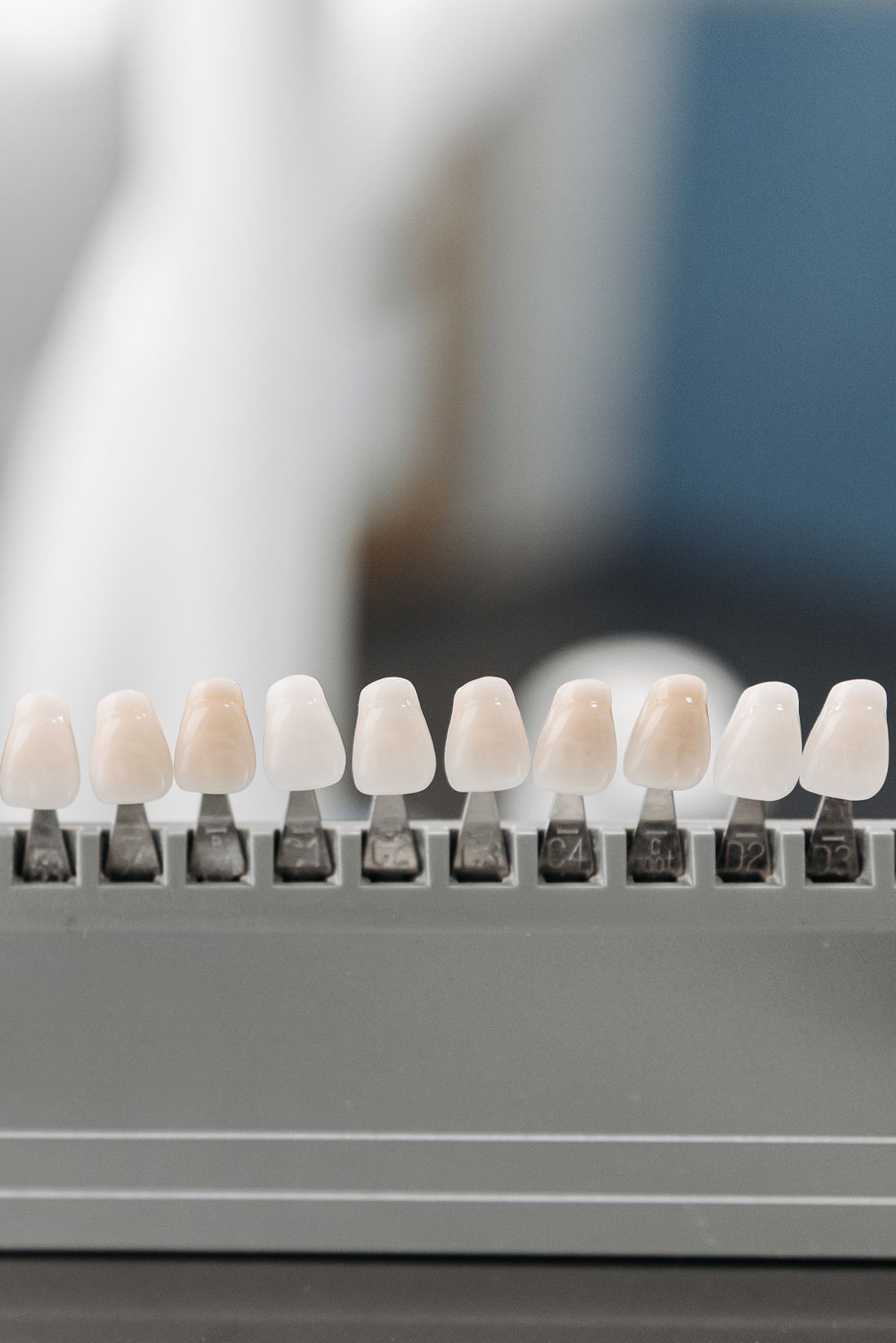
“E-max veneer” commonly refers to a thin dental facing made from lithium-disilicate glass ceramic and bonded to the visible surface of a tooth.
IPS e.max is a trademarked restorative system from Ivoclar. The broader e.max system includes more than one material and workflow. Ask the dentist to identify the exact branded material, fabrication method, and dental laboratory proposed for your case.
Veneers are cosmetic restorations, but planning is clinical. Decay, gum disease, cracks, large fillings, bite problems, tooth grinding, and insufficient enamel may need treatment or a different restoration.
A proper examination may lead to veneers, whitening, orthodontics, bonding, crowns, gum treatment, or a combination.
Veneers may mask selected discoloration that cannot be managed predictably with whitening. The underlying tooth colour influences material opacity and final appearance.
Discuss colour concerns →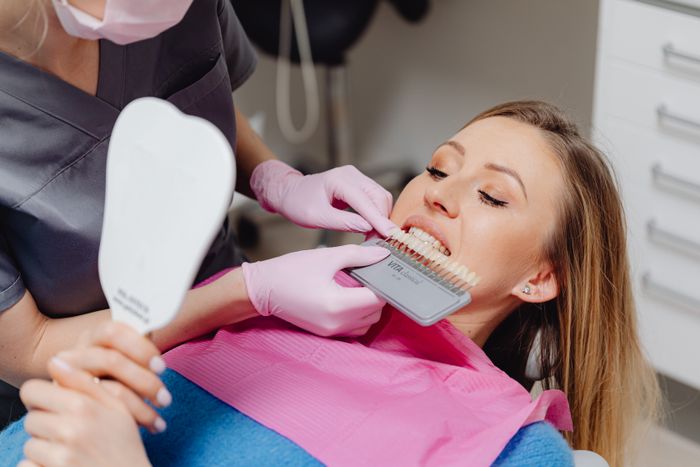
Selected short, uneven, worn, or irregularly shaped teeth may be redesigned. The dentist should protect function and avoid making every tooth identical.
Ask about smile proportions →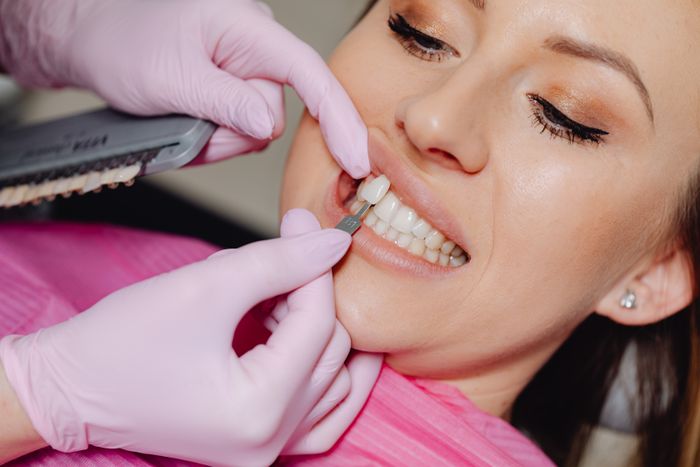
Veneers may close selected spaces or refine mild visual asymmetry. Larger alignment or bite concerns may be better treated orthodontically.
Compare treatment approaches →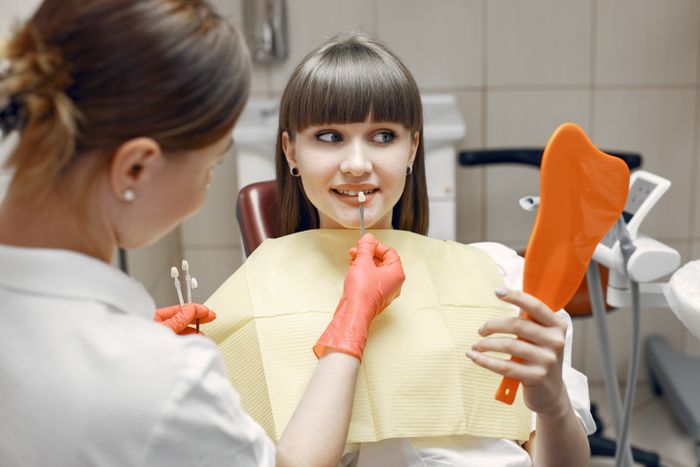 Photo: Gustavo Fring / Pexels
Minor chips or wear may be restored, but the cause matters. Grinding, erosion, a deep bite, or damaged tooth structure can change the material and treatment plan.
Request a dental review →Veneers do not treat active decay or gum disease. They also do not replace missing teeth, move tooth roots, or strengthen every badly damaged tooth.
The dentist and laboratory balance shade, translucency, opacity, surface texture, tooth proportions, gum display, lip movement, facial midline, and bite.
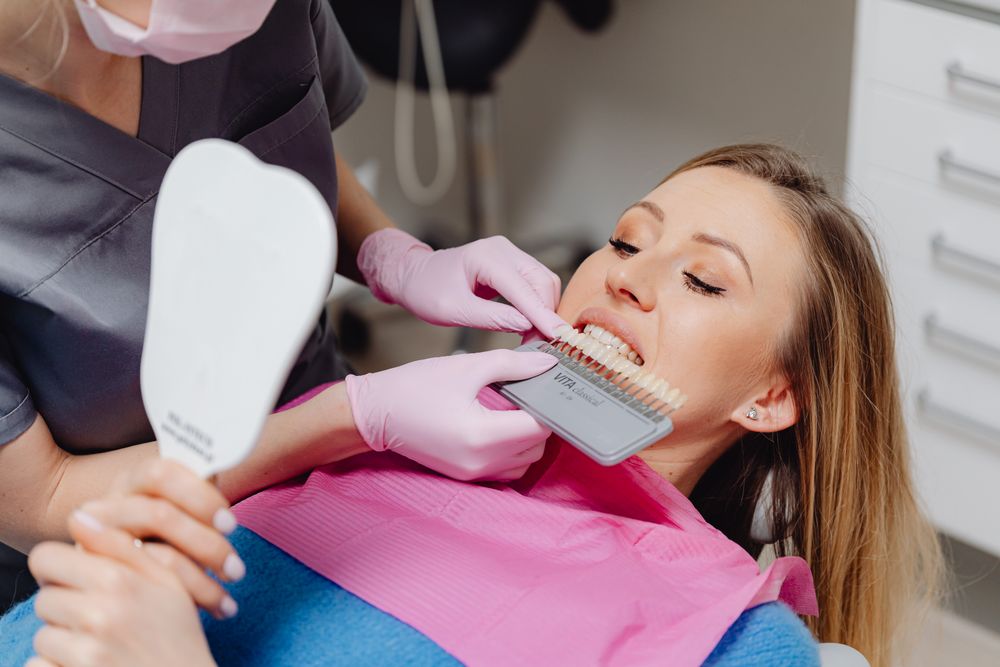
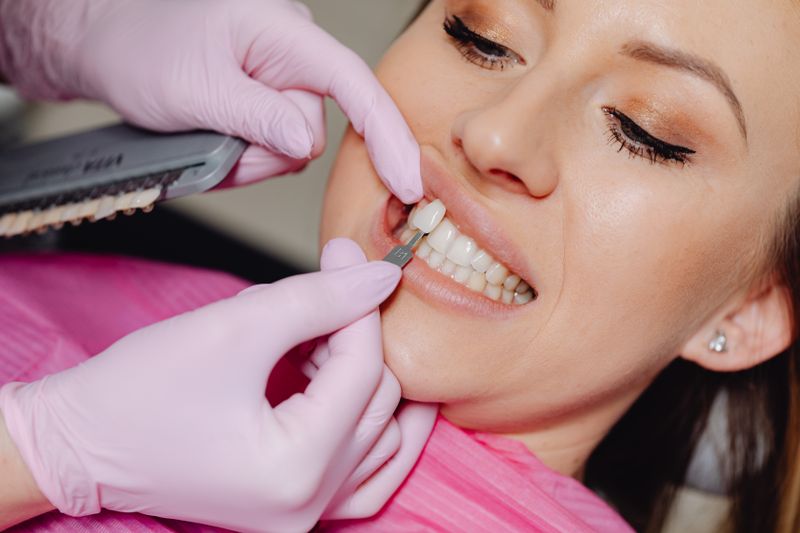
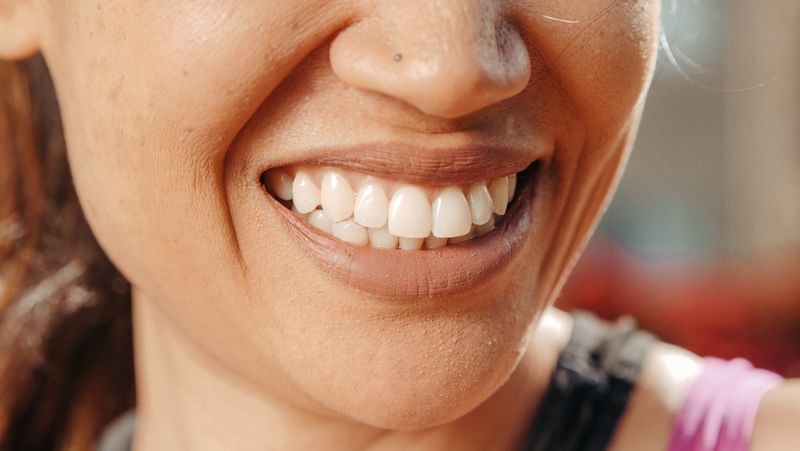
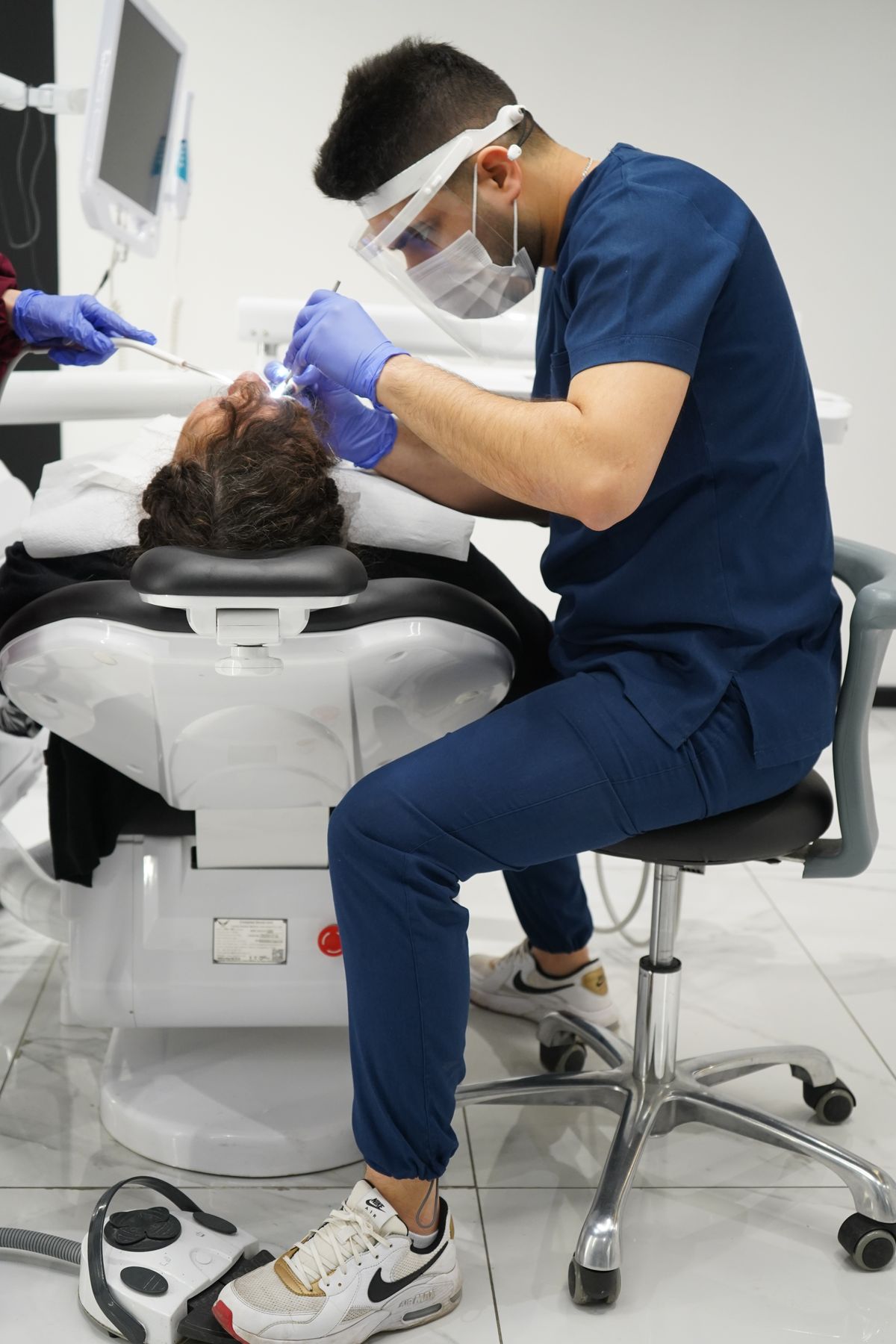
These photographs illustrate dental consultation and aesthetic planning. They are not before-and-after images, VIPmedi patients, or a promise of outcome.
Brightness should be discussed alongside skin tone, neighbouring teeth, underlying colour, and how the smile looks in different light.
Light transmission contributes to a lifelike appearance, while more opacity may be needed to mask a darker tooth.
Subtle surface anatomy and edge character can prevent the veneers from appearing flat or overly uniform.
Width, length, gum line, facial midline, lip movement, and neighbouring teeth guide the design.
When offered, a wax-up, digital design, or trial smile can support discussion but cannot guarantee the final result.
Contacts during biting and jaw movement affect preparation, material thickness, bonding, and fracture risk.
The best treatment preserves healthy tooth structure while addressing the clinical and aesthetic problem. A more extensive restoration is not automatically better.
May suit: selected visible teeth needing colour or shape changes with enough suitable tooth structure for bonding.
Consider: irreversible preparation when enamel is removed, laboratory work, fracture or debonding, and later replacement.
May suit: smaller changes, additions, or repairs completed directly in the mouth.
Consider: staining, wear, chipping, polishing, maintenance, and whether ceramic would be more appropriate.
May suit: crowding, spacing, rotated teeth, or bite concerns that veneers would only disguise.
Consider: treatment time, retainers, and whether whitening or minimal bonding is wanted afterwards.
May suit: a tooth that is heavily restored, weakened, fractured, or otherwise requires broader coverage.
Consider: crowns cover more tooth and usually require more preparation than veneers.
The exact appointments and visit length depend on oral health, preparation, laboratory workflow, number of teeth, and whether other treatment is needed.
Ask to review the try-in under appropriate lighting. Discuss shape, shade, fit, speech, bite, and any agreed changes before the restoration is permanently bonded.
Suitable teeth generally need stable oral health and enough sound structure for the proposed design and bonding. Active decay, gum disease, infection, cracks, or uncontrolled grinding should be addressed first.
The dentist should also assess enamel availability, existing fillings, tooth vitality, bite forces, gum levels, oral hygiene, and whether the desired change is better achieved with a less invasive option.
VIPmedi works with Acıbadem, Memorial, Medical Park, Medipol, and Medicana. Dental services are available at selected facilities within these networks.
 Acıbadem
 Memorial
 Medical Park
 Medipol
 Medicana
The hospital, branch, affiliated brand, treating dentist, dental laboratory, material, and treatment availability are confirmed for your case. Not every branch provides every cosmetic dental procedure or material.
Cost depends on the number of teeth, examinations, imaging, gum or restorative treatment, material, laboratory work, temporary restorations, complexity, and required visits.
Veneers are not lifetime restorations. Their condition depends on design, bonding, bite, habits, oral hygiene, gum health, trauma, and regular dental care.
Contact the dentist if your bite feels high, floss catches, a margin feels rough, or sensitivity is severe or persistent.
Brush with fluoride toothpaste and clean between teeth as instructed. Veneered teeth can still develop decay and gum disease.
Do not bite hard objects or use teeth as tools. Use a sports mouthguard and any prescribed night guard.
Your home dentist should monitor the gums, margins, bite, bonding, underlying teeth, and any signs of wear or fracture.
Use the Contact Us page to describe what you want to change, relevant dental history, previous cosmetic work, and your preferred travel period. Ask how requested photographs or records should be shared securely.
IPS e.max is a trademarked Ivoclar restorative system. In everyday marketing, “E-max” is often used for lithium-disilicate ceramic. Ask for the exact brand, material, fabrication method, and laboratory rather than relying only on the treatment name.
No. A veneer covers mainly the visible front surface, while a crown surrounds much more of the tooth. A crown may be appropriate for a heavily damaged tooth, but it normally requires broader preparation.
Some cases need minimal preparation to create space, establish margins, and support the design; selected cases may need little or none. Ask the dentist to explain the plan tooth by tooth. Removed enamel does not grow back.
No. Adding ceramic without enough space can create bulky contours or affect the gums and bite. Tooth position, colour, desired change, enamel, and existing restorations determine whether a no-prep approach is suitable.
There is no automatic number. The visible smile, tooth position, colour differences, facial and dental midlines, gum line, budget, and whether whitening or orthodontics is used all influence the plan.
They can be designed with varied translucency, opacity, shade, texture, and edge character, but a natural result depends on planning, preparation, laboratory work, bonding, and the underlying teeth. No appearance can be guaranteed.
Sometimes, but masking a dark tooth while preserving natural translucency can be challenging. More opaque ceramic, additional preparation, internal treatment, or a different restoration may be considered after diagnosis.
Grinding can increase chipping, fracture, debonding, and wear risk. The dentist should assess the bite and causes. Treatment, design changes, another material, orthodontics, or a protective night guard may be discussed.
No veneer has a guaranteed lifetime. Longevity varies with tooth condition, design, bonding, bite, habits, hygiene, gum health, trauma, and maintenance. Future repair or replacement should be expected as a possibility.
The ceramic itself is relatively colour stable, but surface damage, external deposits, bonding margins, neighbouring teeth, and gum changes can affect appearance. Professional care and daily cleaning remain necessary.
Keep the restoration if possible and contact a dentist. Depending on the tooth, ceramic, bonding surface, and damage, it may be rebonded, repaired, or remade. Do not glue it yourself.
The dentist determines the visit schedule from the examination, preparation, laboratory workflow, number of restorations, and need for adjustments. Keep travel flexible and do not plan final bonding immediately before departure.
Confirm the dentist, tooth numbers, restoration type, exact material, laboratory, scans or imaging, mock-up, preparation, temporaries, bonding, reviews, travel services, exclusions, and remake arrangements. Contact VIPmedi for an individual enquiry.
Tell us what you want to change about your smile, whether you have previous veneers or crowns, and when you hope to travel. VIPmedi can help coordinate the next appropriate dental enquiry.
Use the contact page for your initial enquiry. Avoid sending identity documents or full medical records in the first message; ask how requested information should be shared securely.