Weight and treatment goals
Review BMI and weight trajectory, realistic goals, obesity-related conditions and whether balloon treatment is primary support, a bridge to surgery or part of another pathway.


Explore intragastric balloon treatment with multidisciplinary eligibility assessment, a precisely named device, realistic planning for the first days, clearly scheduled removal and a structured programme designed to continue after the balloon is gone.
A gastric balloon occupies space inside the stomach for a limited period. It can support portion control and earlier fullness, but it does not remove stomach tissue, reroute the intestine or replace long-term medical, nutritional and behavioural care.
Suitability, device choice, placement method, sedation or anaesthesia, medicines, diet progression, removal timing, emergency access, travel and expected outcomes require assessment by the treating bariatric endoscopy and multidisciplinary team.

An intragastric balloon is a soft device placed inside the stomach and expanded, usually with liquid or gas depending on the system. By occupying space and affecting gastric emptying and fullness signals, it can help selected patients eat smaller portions while participating in a supervised weight-management programme.
Some balloons are placed and later removed during upper endoscopy. Some capsule systems are swallowed and designed to empty and pass naturally after a specified period, although imaging, endoscopy or surgery may still be needed if placement, inflation, deflation or passage does not proceed as intended.
Every balloon has a manufacturer-defined duration, instructions and contraindications. The treatment is temporary; the obesity and weight-regain risk are not. A responsible plan begins with how eating, activity, psychological support and appropriate medical treatment will continue after removal or passage.
Eligibility depends on the chosen device, manufacturer instructions and local clinical standards. BMI alone cannot determine whether the balloon is useful, safe or likely to support a durable result.
Review BMI and weight trajectory, realistic goals, obesity-related conditions and whether balloon treatment is primary support, a bridge to surgery or part of another pathway.
Reflux, swallowing difficulty, ulcers, inflammation, bleeding, large hiatus hernia, delayed stomach emptying and previous stomach or oesophageal surgery may change suitability or testing.
Document nutrition, physical activity, behavioural support and appropriate medicines, what helped, why weight returned and how the balloon would add to—not repeat—the previous plan.
Assess binge eating, grazing, vomiting, alcohol, sugary drinks, meal structure, deficiencies and readiness for temporary diet stages, hydration and supervised behaviour change.
Review pregnancy, bleeding or clotting concerns, liver disease, pancreatitis history, medicines affecting the stomach, allergies and fitness for endoscopy, sedation or anaesthesia when required.
Confirm rapid clinical access during intolerance, reliable attendance, emergency endoscopy or surgery if needed and a funded, scheduled removal before the device limit.
The evaluation should determine whether a balloon is appropriate, which system is being proposed and how intolerance, removal and post-balloon care will be managed.
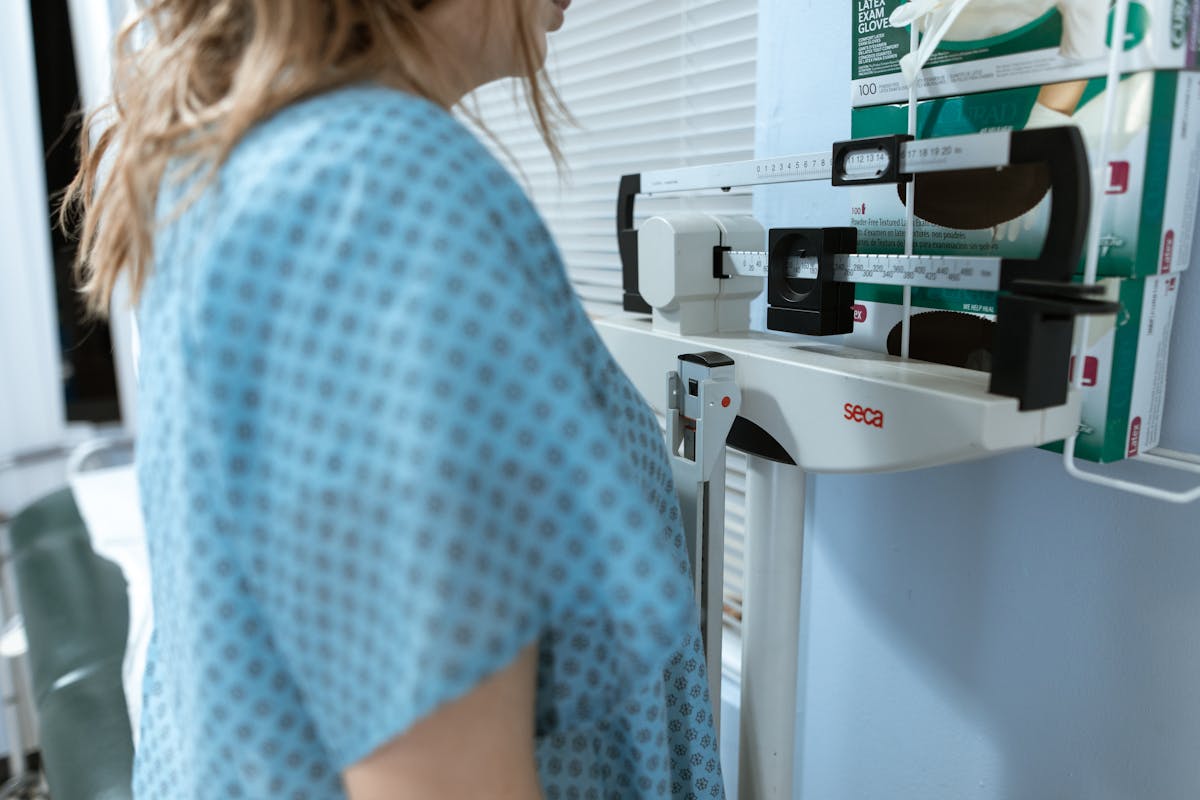
 Clinical assessment: Pavel Danilyuk / Pexels
Review conditions, medicines, allergies, previous procedures, reflux, vomiting, sleep apnoea, pregnancy plans, alcohol, smoking and fitness for endoscopy, sedation or anaesthesia.
Ask how to share records securely → Pre-treatment testing: Gustavo Fring / Pexels
Laboratory tests, pregnancy testing, upper endoscopy, imaging or other assessment may be selected according to the device, symptoms, conditions, previous surgery and local protocol.
Describe previous tests and diagnoses → Nutrition planning: beyzahzah / Pexels
Plan the pre-procedure instructions, hydration, staged diet, protein, symptom management, meal habits and the supervised programme that continues through and after the balloon period.
Ask about dietetic follow-up → Medication review: Kaboompics.com / Pexels
Confirm prescribed acid suppression, nausea or pain treatment, which symptoms trigger same-day review, where emergency endoscopy occurs and who performs planned or early removal.
Request an individual treatment plan →A video call can organise records and expectations but cannot replace physical assessment, endoscopic or imaging findings when indicated, device-specific consent or monitoring after placement.
Exact steps vary by system. The description below reflects a typical endoscopically placed balloon; swallowable capsule systems follow a different pathway and should have separate consent.
The team confirms fasting, medications and sedation or anaesthesia, then examines the oesophagus and stomach when upper endoscopy is part of the selected device pathway.
Confirm: what findings would cancel or delay placement.
The delivery system passes through the mouth and oesophagus into the stomach under direct control. The team verifies that the device is correctly positioned.
Confirm: brand, model, fill method and operator.
The balloon is expanded according to its instructions, then the delivery catheter is detached. The endoscopist checks position, integrity and the surrounding stomach.
Confirm: fill volume, leak indicator and monitoring plan.
For an endoscopic system, a second procedure usually punctures, empties and removes the balloon through the mouth before the maximum permitted duration.
Confirm: booked date, sedation, costs and early-removal access.

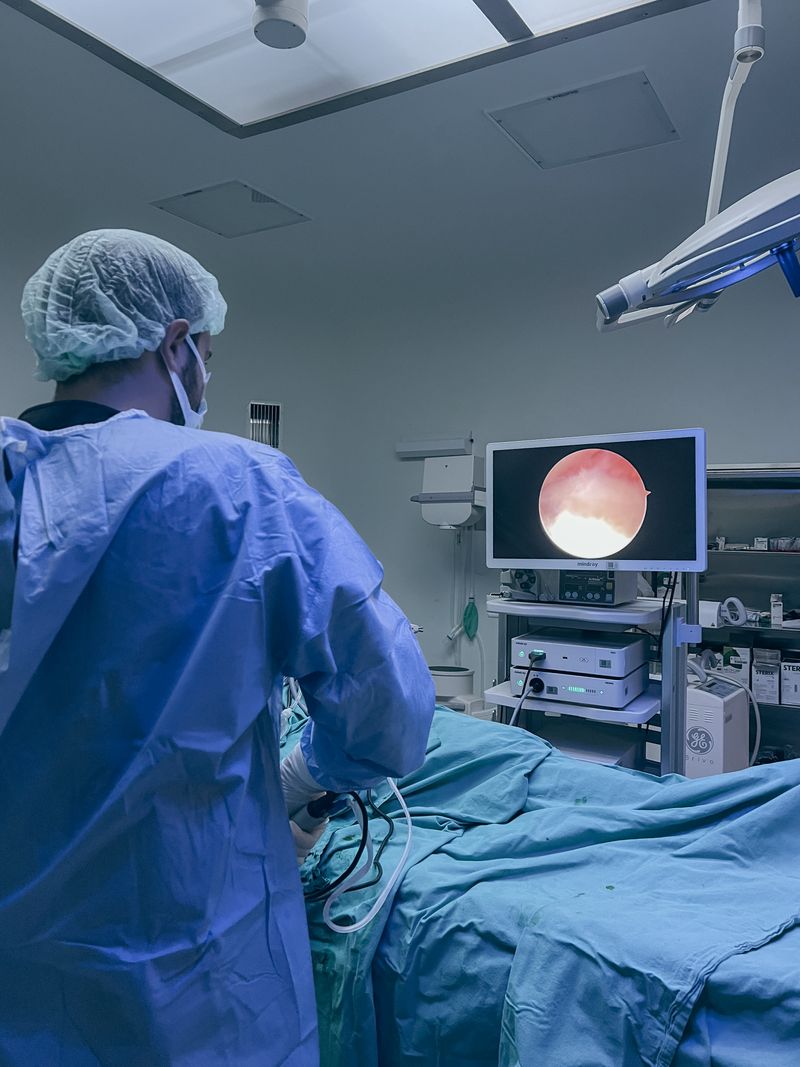
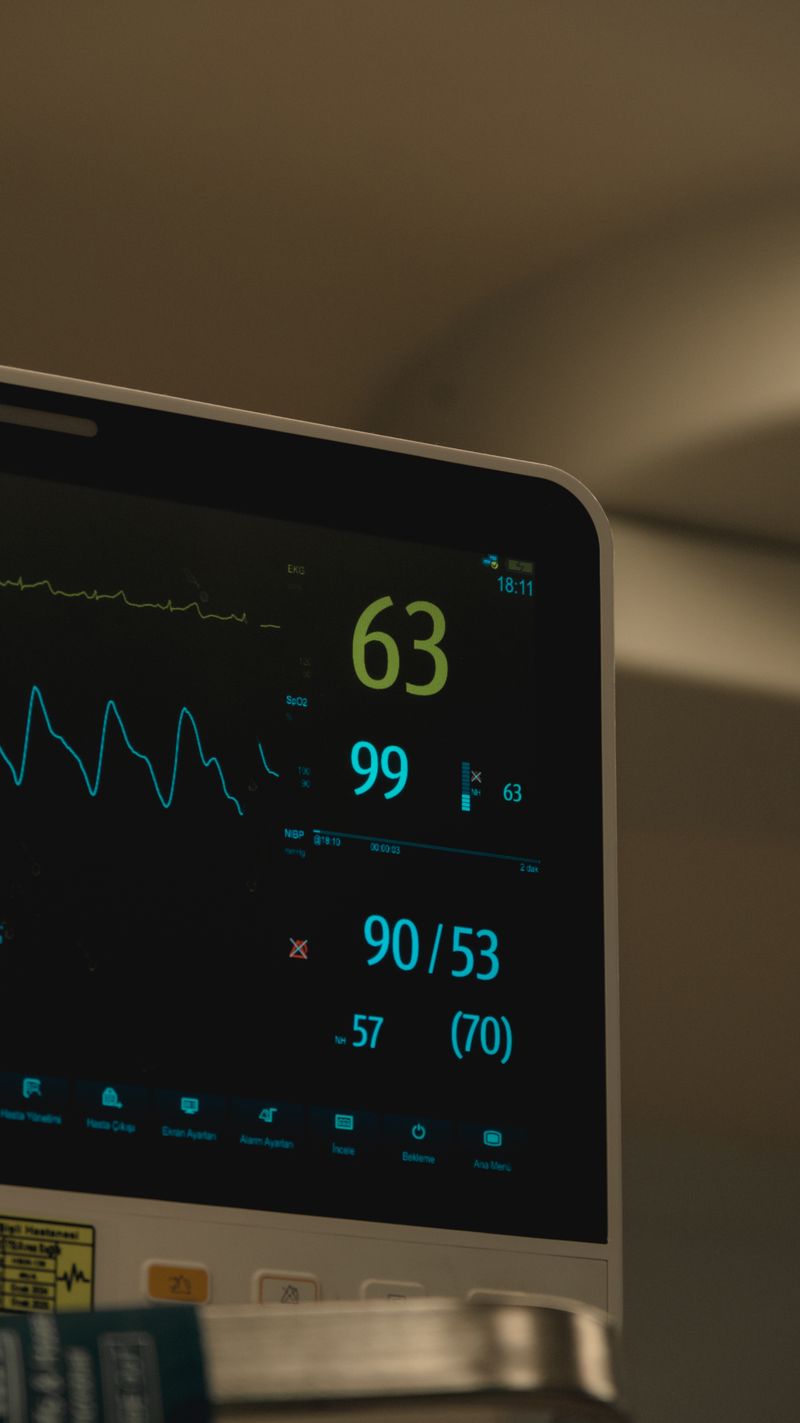
This gallery uses real endoscopy and monitoring imagery, including a genuine intragastric-balloon view. It does not depict VIPmedi patients, partner facilities or promised results.
The right option depends on health, previous treatment, weight and metabolic goals, anatomy, tolerance for procedures, available follow-up and the plan after the device period.
A deflated balloon is placed through the mouth, expanded in the stomach and removed endoscopically before its specified limit. Sedation or anaesthesia and two planned procedures may be required.
Confirm: exact device, duration and removal booking.
A capsule containing a balloon is swallowed, its position is confirmed and it is filled through a thin catheter. Some systems are designed to empty and pass naturally, but intervention may still be required.
Confirm: imaging, passage checks and rescue pathway.
Bariatric surgery changes anatomy and usually offers a different magnitude and durability of metabolic treatment, with surgical risk and lifelong nutritional follow-up.
Compare: reflux, diabetes, risk and long-term goals.
Structured nutrition, activity, behavioural and psychological support and appropriate medicines may be the primary pathway or continue alongside and after a balloon.
Reality: the balloon cannot replace chronic-disease care.
A swallowable system may avoid planned endoscopy for routine placement or passage, but failure to swallow, incorrect position, intolerance, non-deflation, migration or obstruction can require imaging, endoscopy or surgery. Confirm local emergency capability before treatment.
A complete pathway includes adaptation, structured follow-up and planned removal—not only the placement appointment.

Sedation or anaesthesia, nausea, vomiting, pain, dehydration and the ability to keep fluids down all affect travel readiness. Remain close to the treating team through the required early review and fly only when clinically stable and cleared. Confirm where urgent care is available during the entire device period.
The team should separate common early intolerance from urgent complications and explain device-specific warnings, early-removal criteria and the possibility of inadequate loss or regain.
Cramping, reflux, nausea and vomiting are common during early adaptation. Severe, persistent or recurrent symptoms can cause dehydration and may require intravenous treatment or early removal.
The device, endoscope or pressure on the stomach can contribute to inflammation, ulceration, bleeding or a tear in the oesophagus or stomach requiring urgent treatment.
A leaking or deflated balloon can move beyond the stomach and obstruct the intestine. New pain, vomiting, abdominal swelling or failure to pass the device requires urgent assessment.
Fluid-filled balloons have been associated with spontaneous enlargement and acute pancreatitis. Persistent abdominal or back pain, swelling, food intolerance or breathing difficulty needs urgent evaluation.
Endoscopy and balloon removal may involve sedation or general anaesthesia. Risks can include aspiration, breathing problems, medication reactions and cardiopulmonary complications.
Weight loss varies, and some people lose little or cannot tolerate the device. Regain is possible after removal or passage if no effective long-term treatment pathway continues.
VIPmedi can coordinate enquiries with participating bariatric and advanced-endoscopy teams within these partner groups. Device, clinician, branch, availability and eligibility are confirmed individually; a group logo does not mean every hospital provides every balloon system.
 Acıbadem
 Memorial
 Medical Park
 Medipol
 Medicana
Ask for the named bariatric endoscopist and multidisciplinary team, exact hospital branch, device brand and model, regulatory status, sedation plan, adaptation support, emergency endoscopy or surgery access, removal booking and post-balloon programme after you leave Turkey.
Compare the full device cycle. A headline amount may omit assessment, endoscopy, sedation, medicines, nutrition support, early treatment of intolerance, removal or after-removal care.
Early care protects hydration and identifies intolerance. Longer-term care turns a temporary device into an opportunity for durable treatment change.
The team monitors consciousness, breathing, circulation, pain and nausea. Follow fasting and post-sedation rules and start oral intake only as instructed.
Take prescribed medicines, follow the liquid plan and track intake if requested. Persistent vomiting, very little urine or inability to drink needs prompt review.
Progress textures with the treating dietitian, prioritise protein and hydration and attend medical, nutrition, behavioural and physical-activity follow-up.
Complete planned removal or passage confirmation, review health and weight and continue an agreed medical and behavioural pathway to reduce regain risk.
Contact the treating team urgently for persistent vomiting, inability to keep fluids down, very little urine, severe or worsening abdominal or back pain, marked abdominal swelling, chest pain, difficulty breathing, fainting, fever, bleeding, black stool, confusion or unexpected change in a balloon leak indicator.
Do not assume that every symptom is normal adaptation. Pancreatitis, balloon overinflation, ulcer, perforation, migration, gastric-outlet or bowel obstruction and aspiration can require urgent hospital treatment, endoscopy or surgery.
Use the VIPmedi contact page. Include your height, current weight and weight history; diagnoses; medicines; allergies; reflux, ulcer or swallowing symptoms; previous weight treatment or abdominal surgery; pregnancy plans and preferred travel period. Ask how requested records should be shared securely.
No stomach is cut or removed and the intestine is not rerouted. Endoscopically placed balloons are medical-device procedures that may use sedation or general anaesthesia and require later endoscopic removal. Swallowable systems follow a different pathway. Both can have serious complications and require medical follow-up.
Systems may differ by endoscopic or swallowable placement, liquid or gas fill, adjustability, duration and whether planned endoscopic removal or natural passage is intended. Availability and regulatory status vary. Ask for the exact manufacturer, model, instructions, duration and removal or passage plan.
Assessment considers weight and metabolic health, previous treatment, stomach and oesophageal history, medicines, eating behaviour, psychological readiness, pregnancy plans, endoscopy or sedation fitness and ability to attend follow-up and removal. Device-specific criteria apply; meeting a BMI threshold does not guarantee suitability.
No responsible page can promise an individual number. Results vary with the device, starting health and weight, tolerance, participation in the supervised programme, medicines, eating and activity patterns, biology and follow-up. Regain can occur after removal or passage, so the post-balloon plan is as important as placement.
After fasting and medication preparation, the team may inspect the upper digestive tract, guide the deflated device through the mouth into the stomach, expand it according to manufacturer instructions and verify position. The exact sedation, anaesthesia, fill and monitoring plan depends on the device and patient.
Nausea, cramping, reflux, vomiting and reduced tolerance of fluids or food are common during adaptation, but intensity varies. The team should provide preventive medicines, diet and hydration instructions and same-day contact criteria. Severe or persistent symptoms are not something to simply endure and may require early removal.
Follow the treating programme’s staged plan rather than an internet timetable. It commonly begins with measured fluids and advances through appropriate textures as tolerance improves. Long-term guidance should emphasise hydration, adequate protein, structured meals, slower eating and avoidance of foods or drinks that worsen symptoms.
There is no universal duration. The maximum period is specific to the manufacturer and model. Some endoscopic systems are designed for months and require booked removal; some capsule systems are designed to empty and pass. Never extend treatment because travel or removal costs were not planned.
For many endoscopic balloons, a second upper endoscopy punctures and empties the device before it is retrieved through the mouth. Fasting, sedation or anaesthesia and recovery instructions apply again. Some swallowable systems are designed to pass naturally, but non-deflation, non-passage or symptoms may require endoscopy or surgery.
Potential complications include severe dehydration, ulceration, bleeding, perforation, aspiration, spontaneous overinflation, pancreatitis, deflation, migration, gastric-outlet or bowel obstruction, injury during insertion or removal, emergency endoscopy or surgery and rare death. Ask for device-specific likelihood, warning signs and emergency arrangements.
Warning signs can include new or severe abdominal or back pain, persistent vomiting, abdominal swelling, food or fluid intolerance, reflux, breathing difficulty or an unexpected change in a manufacturer-specific leak indicator. Some problems cause few early symptoms. Follow the device card and contact instructions and seek urgent assessment when advised.
Pregnancy and plans to become pregnant during the device period must be discussed before treatment. Balloon systems generally have pregnancy-related restrictions, and vomiting or reduced intake may create additional concerns. Obtain individual advice about pregnancy testing, contraception, timing and removal from the treating team.
Remain through the required early review and until sedation effects have resolved, pain and nausea are controlled, you can maintain hydration and the team clears travel. There is no single timetable for all devices or patients. Severe intolerance or a complication may require longer observation, admission or early removal.
Confirm the named clinician, hospital branch, exact device and duration; tests; placement; sedation or anaesthesia; medicines; reviews; dietetic programme; planned removal or passage confirmation; travel services; exclusions and emergency policy. Leave with the device card, procedure record, emergency symptoms and named contacts. Contact VIPmedi for an individual enquiry.
Tell us your health and weight history, previous treatment, stomach or reflux symptoms, current medicines and when you hope to travel. VIPmedi can help coordinate the next appropriate enquiry with a participating partner hospital.
Use the contact page for your initial enquiry. Avoid sending identity documents or full medical records in the first message; ask how requested information should be shared securely.