Precision fertilisation within an IVF cycle

ICSI Treatment in Turkey

Understand when intracytoplasmic sperm injection may solve a fertilisation barrier, when conventional IVF may remain appropriate, and why a complete male- and female-factor assessment comes before the laboratory method.

During ICSI, an embryologist injects one sperm into each suitable mature egg. This bypasses several steps the sperm would otherwise complete itself, but it does not repair sperm or egg quality, guarantee normal fertilisation, create a healthy embryo or ensure pregnancy.

Male-factor diagnosisEgg maturity and laboratory planSperm source and backup strategy

ICSI is the fertilisation stage of IVF. The egg-providing partner still needs ovarian stimulation, monitoring and egg retrieval. Final suitability, legal eligibility, sperm-retrieval timing and treatment details require assessment by the treating fertility team.

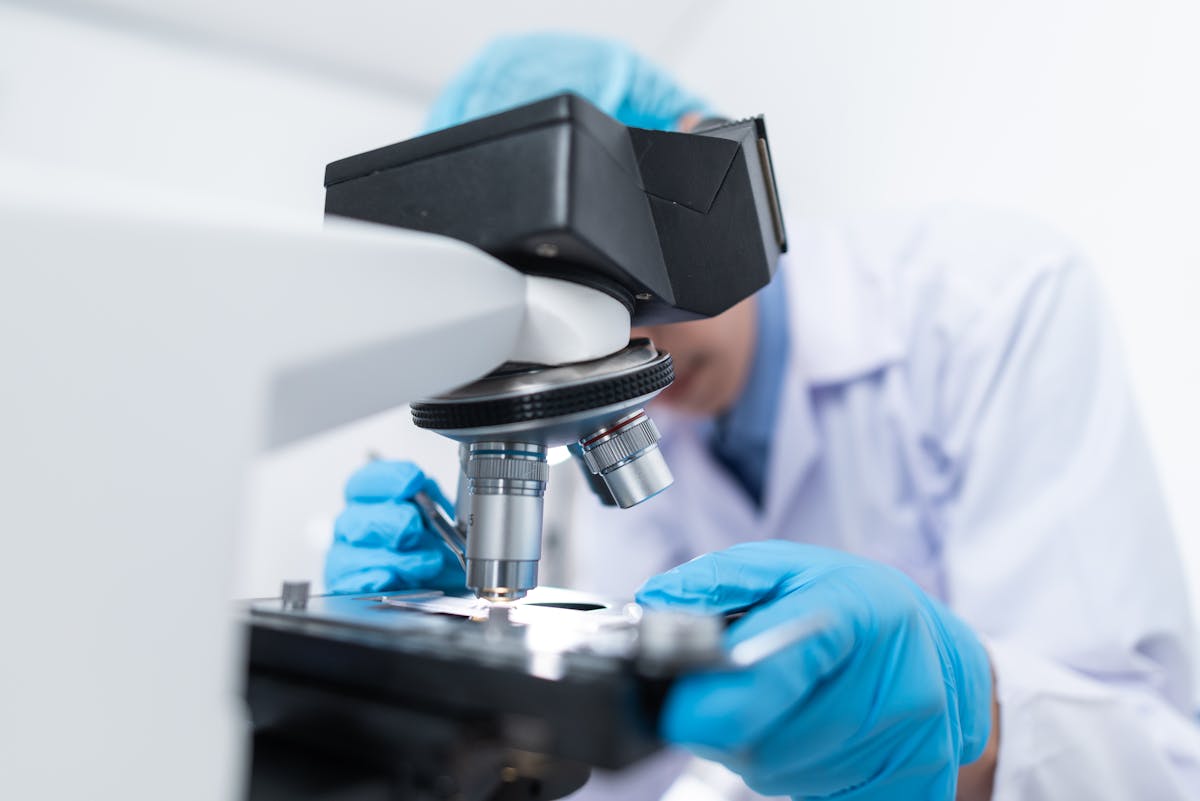
Laboratory scientist examining a sample through a microscope
Real laboratory contextPhoto by Chokniti Khongchum / Pexels. Editorial illustration; not an ICSI workstation, VIPmedi patient, partner facility or promised result.
Couple discussing a medical treatment plan with a doctor
Consultation context: Pavel Danilyuk / Pexels
ICSI changes fertilisation—not the entire IVF pathway

What happens during ICSI?

After ovarian stimulation and egg retrieval, laboratory staff remove the surrounding cells from collected eggs so maturity can be assessed. ICSI is generally performed on suitable mature eggs. An embryologist prepares the sperm, chooses an individual sperm under microscopy, immobilises it and uses a fine injection needle to place it inside the egg.

The laboratory later checks for signs of normal fertilisation. Fertilised eggs are cultured as embryos and assessed over the following days. Depending on development and the agreed plan, an embryo may be transferred, frozen, tested where medically indicated and legally permitted, or the cycle may end without an embryo suitable for use.

ICSI helps sperm enter the egg. It cannot guarantee that the egg survives injection, fertilises normally, divides, reaches blastocyst, is chromosomally normal, implants or results in a live birth.

One sperm is injectedThe sperm is placed inside a suitable mature egg by an embryologist.
Diagnosis still mattersLow count, movement or morphology can have different causes and implications.
Part of IVFStimulation, retrieval, culture, transfer, freezing and aftercare still apply.
No automatic upgradeWithout a clear indication, ICSI has not been shown to improve live birth over IVF.
ICSI is not sperm “treatment.” Choosing a moving, normally shaped sperm under routine microscopy does not prove that its DNA or chromosomes are normal, and the injection does not correct an underlying genetic or testicular condition.
Use ICSI for a reason—not as a package upgrade

When ICSI may—and may not—be considered

The treating reproductive specialist and embryologist decide after reviewing both partners, the semen findings, egg factors and previous cycles.

Common reasons to discuss ICSI

  • Very low sperm concentration, poor progressive movement or important morphology concerns
  • Sperm obtained surgically from the epididymis or testis
  • Previous total or unexpectedly low fertilisation with conventional IVF
  • Use of previously frozen eggs, for which ICSI is the established fertilisation approach
  • Selected PGT-M laboratory pathways where reducing sperm-DNA contamination is relevant
  • Rare sperm functional or structural disorders identified by the specialist

Not automatically better because of

  • Unexplained infertility without a male factor or prior fertilisation problem
  • Advanced reproductive age by itself
  • Low AMH, diminished ovarian reserve or a low expected egg yield alone
  • Endometriosis without an identified sperm or fertilisation indication
  • PGT-A alone when no male-factor or other laboratory indication exists
  • A sales claim that ICSI is “premium IVF” or guarantees fertilisation
Avoid the wrong comparison

ICSI may improve fertilisation in selected cases. It is not evidence that the overall chance of live birth is higher for every couple, because outcomes also depend on egg number and quality, reproductive age, embryo development, uterine factors and pregnancy health.

Male infertility deserves its own diagnosis

Assessment before an ICSI cycle

ICSI can bypass a sperm–egg interaction problem, but it should not replace evaluation of a potentially treatable, medically important or inherited male condition.

Male-factor review

  • Reproductive, sexual, childhood, infection, injury, fever, surgery and prior-pregnancy history
  • Medicines and hormones—including testosterone or anabolic agents that can suppress sperm production
  • One or more correctly collected semen analyses because results can vary
  • Male reproductive examination and targeted hormone testing when indicated
  • Urology or andrology review for azoospermia, severe abnormalities, pain, mass, varicocele or ejaculatory difficulty
  • Genetic counselling and tests in selected severe oligozoospermia, azoospermia or congenital obstruction cases

Couple and cycle review

01
Egg and ovarian factorsAge, AMH or AFC, prior response, egg maturity, fertilisation and embryo-development records.
02
Female reproductive assessmentUterus, ovaries, tubal or endometriosis history, pregnancy history and general health.
03
Previous laboratory evidenceNumber of mature eggs, IVF or ICSI method, normal fertilisation, embryo arrest and lab comments—not only pregnancy outcome.
04
Legal and consent reviewMarriage documents, own-gamete requirement, storage choices and current Turkey rules.
Do not stop prescribed testosterone, hormones or other medicines without medical advice. Tell the male reproductive specialist exactly what is being used. Some treatments can affect sperm production, and recovery or alternatives require individual planning.
The source and timing of sperm can change the cycle

Ejaculated, frozen or surgically retrieved sperm

The male reproductive urologist and IVF laboratory should agree on the retrieval method, timing, freezing and backup strategy before ovarian stimulation is underway.

Fresh ejaculated sample

Collection instructions, abstinence interval, identification, delivery time and completeness of the sample matter. If collection may be difficult or counts fluctuate, discuss an earlier frozen backup.

Frozen sperm backup

A frozen sample may protect against collection-day difficulty or allow sperm retrieval before the egg cycle. Confirm post-thaw availability; freezing does not guarantee that usable sperm will survive.

Epididymal retrieval

Needle or microsurgical retrieval from the epididymis may be considered in selected obstructive azoospermia cases. The urologist chooses the technique and explains anaesthesia, risks and alternatives.

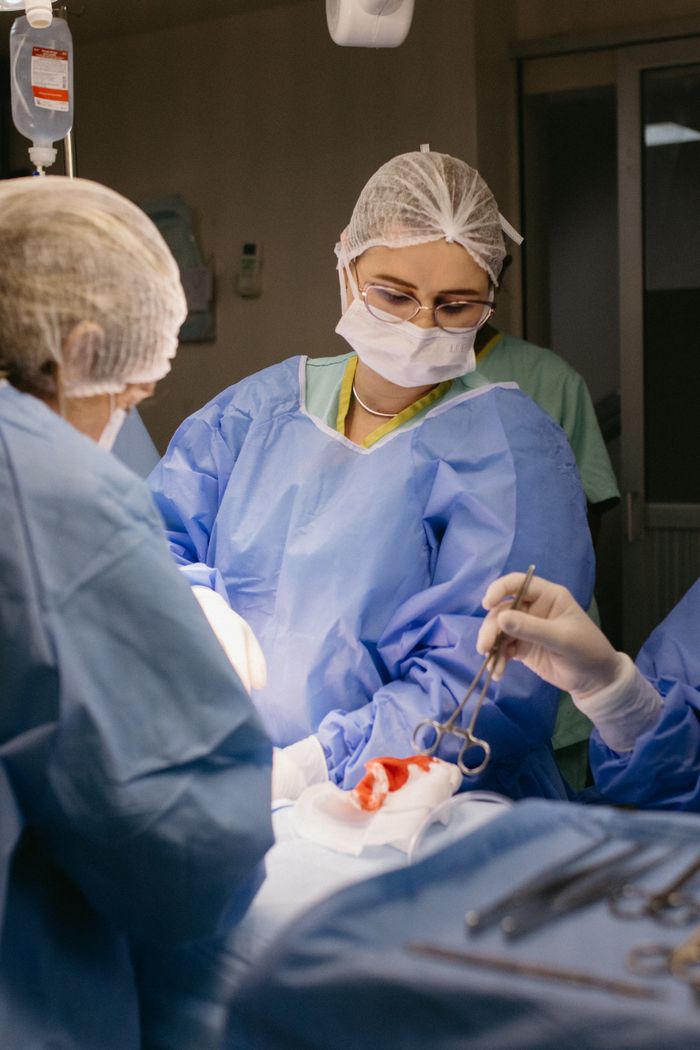
Medical team working in a sterile operating room

Testicular retrieval or micro-TESE

Testicular sperm extraction, including microdissection for selected non-obstructive azoospermia, is a surgical urology procedure. Sperm may not be found. Bleeding, infection, pain, tissue injury and effects on testosterone must be discussed.

Questions to settle before the egg cycle

  • Is azoospermia obstructive or non-obstructive?
  • Is genetic counselling or testing needed first?
  • Which retrieval method and surgeon are planned?
  • Will retrieval happen before or on egg-retrieval day?
  • Can enough sperm be frozen and survive thawing?
  • What happens if no usable sperm is found?
Turkey does not offer donor-sperm treatment. ICSI treatment is within the legal framework for medically suitable married couples using their own reproductive cells. If sperm availability is uncertain, the couple needs a documented stop or backup plan before stimulation and travel.
What the embryology team does—and cannot know

The ICSI laboratory process step by step

Ask for the laboratory’s actual protocol and reporting schedule. The outline below is educational and does not describe every centre or every case.

01Prepare spermThe laboratory processes fresh, thawed or surgically retrieved material and searches for usable sperm.
02Assess egg maturitySurrounding cells are removed so suitable mature eggs can be identified for injection.
03Select and injectOne sperm is chosen under microscopy, immobilised and placed inside each suitable egg.
04Check fertilisationThe laboratory looks for normal fertilisation signs; abnormal or absent fertilisation can occur.
05Culture and decideEmbryos are observed before transfer, freezing, testing where appropriate, or a no-transfer decision.
Embryologist operating an ICSI micromanipulation microscope in a fertility laboratory
Genuine clinical ICSI image: GENNET. Obtain written permission or replace before commercial publication.
Directly relevant clinical photography

ICSI uses an inverted microscope and micromanipulators

The holding pipette stabilises the egg while a very fine injection pipette carries one sperm through the egg membrane. The embryologist’s skill, laboratory conditions, traceability and the biological quality of the sperm and egg all matter.

Publication status: this is a genuine ICSI image from GENNET, not a VIPmedi partner facility. Obtain written permission from the rights holder or replace it with approved partner photography before commercial publication.

Even expert injection cannot make an immature or poor-quality egg develop, correct sperm DNA or chromosome problems, or guarantee that a normally fertilised egg becomes a usable embryo.

01

Sperm selection is limited

Routine microscopy assesses movement and appearance at that moment. It cannot confirm the sperm’s complete genetic integrity or prove that it will create a healthy embryo.

02

Egg survival is not guaranteed

Some eggs are immature and not injected. A small proportion of injected eggs can be damaged or fail to survive the procedure.

03

Fertilisation can still fail

An injected egg may not fertilise normally. Fertilised eggs may arrest during culture or be unsuitable for transfer or freezing.

Choose the least intervention that fits the evidence

Conventional IVF, ICSI and laboratory add-ons

A personalised plan can use one method, or occasionally split suitable eggs between methods to answer a specific fertilisation question. The reason and limitations should be documented before retrieval.

Conventional insemination

IVF

Prepared sperm and eggs are placed together so sperm must reach and penetrate the egg without injection.

May fit: suitable semen findings and no strong history of fertilisation failure.

Limitation: low or total fertilisation failure can still occur.

Micromanipulation

ICSI

One sperm is injected into each suitable mature egg, bypassing sperm binding and penetration.

May fit: important male factor, surgically retrieved sperm or prior poor fertilisation.

Limitation: does not guarantee fertilisation, embryo quality or live birth.

Selected-cycle strategy

Split IVF–ICSI

A laboratory may allocate some suitable eggs to conventional IVF and others to ICSI in carefully selected cases.

Potential value: compare fertilisation within the same retrieval.

Limitation: may be unhelpful or impossible when few mature eggs are available.

Add-ons

IMSI, PICSI and selection tools

These methods use additional magnification, binding or selection steps. A plausible mechanism is not proof of a higher live-birth chance.

Ask: What exact indication, evidence, risk and extra cost apply to us?

Doctor performing an ultrasound examination in a clinic
IVF-cycle monitoring context: Pavel Danilyuk / Pexels
The egg side of the cycle remains essential

ICSI cannot compensate for every IVF limitation

Ovarian response affects how many eggs are collected; maturity affects how many can be injected; egg competence influences fertilisation and embryo development; and reproductive age is strongly connected with chromosome risk.

The transfer strategy, uterine preparation, embryo number, pregnancy health and obstetric follow-up also influence the overall pathway. A laboratory method should never be presented as the single answer to a complex couple-level diagnosis.

Read the complete IVF treatment guide for stimulation, retrieval, embryo transfer, OHSS, freezing and pregnancy testing.

Coordinate two patients, one laboratory and timed travel

Your ICSI pathway with VIPmedi

VIPmedi coordinates records and enquiries. The fertility specialist, male reproductive urologist, embryologist, anaesthesia team and licensed centre retain clinical and legal responsibility.

01Confidential enquiryShare both partners’ ages, marriage status, diagnoses, semen findings and previous treatment.
02Records reviewSend semen, hormone, genetic, urology, ovarian and previous embryology reports.
03Joint planConfirm the ICSI indication, sperm source, retrieval backup, IVF protocol, costs and legal documents.
04Timed cycleComplete stimulation, monitoring, trigger, sperm collection or retrieval, egg retrieval and injection.
05Report and next stepReceive fertilisation and embryo updates, transfer or freezing plan, testing date and handover.
Couple walking together on a street in Istanbul, Turkey
Travel context: Said / Pexels
Build flexibility into the travel plan

Biology sets the schedule

Ovarian monitoring determines the final trigger and egg-retrieval date. Sperm collection or surgery must be coordinated with the laboratory, and retrieval dates can move. Non-refundable travel booked around an exact early calendar creates avoidable pressure.

If sperm retrieval is uncertain, ask whether it should occur and be frozen before ovarian stimulation, or whether a same-day procedure is clinically preferred. Confirm what happens to the egg cycle if no usable sperm is obtained.

The person having egg retrieval needs an adult escort after sedation or anaesthesia. Any person having surgical sperm retrieval also needs procedure-specific recovery and travel clearance.

Before flights and deposits

Confirm eligibility, exact branch, fertility and urology teams, marriage documents, testing, medicines, sperm and egg timing, backup plan, estimated stay, itemised inclusions, cancellation rules and emergency contacts.

Start Coordination
ICSI adds laboratory and male-procedure questions to IVF

Risks, limitations and informed consent

Risk belongs to the whole cycle: ovarian stimulation and egg retrieval, sperm collection or surgery, ICSI itself, embryo transfer and any resulting pregnancy.

01

Egg damage or failed injection

Removing surrounding cells and injecting an egg can damage it. Some eggs are immature or unsuitable, and some injected eggs do not survive or fertilise normally.

02

No usable sperm

A fresh sample may be inadequate, thawed sperm may not survive, or surgical retrieval may find no sperm. A documented stop and backup plan is essential.

03

Sperm-retrieval complications

Pain, swelling, bleeding, infection, haematoma, tissue injury, anaesthesia effects and reduced testosterone are possible, with risks depending on the procedure.

04

Inherited male-factor questions

Some severe sperm problems have genetic causes that ICSI can bypass but not correct. Genetic counselling may identify implications for treatment and future children.

05

IVF and pregnancy risks

Medication effects, OHSS, retrieval bleeding or infection, cancellation, no embryo, miscarriage, ectopic pregnancy and multiple pregnancy remain relevant.

06

Uncertain cause of associations

Studies have reported small associations with some birth or developmental outcomes, but separating effects of ICSI from the underlying infertility is difficult. Discuss individual risk.

Seek urgent clinical advice for:

  • Severe or worsening abdominal or scrotal pain
  • Rapid swelling, heavy bleeding or enlarging bruising
  • Fever, pus, redness or other infection signs
  • Persistent vomiting, fainting or inability to drink
  • Shortness of breath, chest pain or reduced urine
  • One-sided pain, shoulder-tip pain or dizziness after a positive test
Multiple pregnancy is driven mainly by embryo-transfer decisions, not by the sperm-injection technique. The embryo number should follow current Turkey rules and an individual safety assessment. More embryos do not make ICSI more successful and can increase maternal and neonatal risk.
Fertility, embryology and urology coordination

ICSI enquiries through our partner network

VIPmedi can coordinate ICSI enquiries with participating reproductive-medicine teams within Acıbadem, Memorial, Medical Park, Medipol and Medicana. The exact licensed unit, branch, specialists, embryology laboratory, sperm-retrieval service and availability are confirmed individually.

Acıbadem logoAcıbadem
Memorial logoMemorial
Medical Park logoMedical Park
Medipol logoMedipol
Medicana

Logos identify VIPmedi partner groups; they do not mean that every branch provides ICSI, sperm retrieval or genetic services, or that a couple has been accepted. Dünyagöz is an eye-care partner and is intentionally not presented as a fertility provider.

ICSI cost is more than one laboratory line

What changes the cost of ICSI in Turkey?

An itemised proposal should show the IVF base pathway, ICSI laboratory charge, male investigations or procedures, freezing and every likely later stage.

Couple-level specialist reviewFertility consultation, male reproductive urology or andrology input and review of previous cycles.
Semen and male testingRepeat semen analysis, hormones, ultrasound or other imaging, infection work-up and selected genetic tests.
IVF stimulation and monitoringMedicines, ultrasound, blood tests, additional visits and changes driven by ovarian response.
Egg retrieval and anaesthesiaProcedure, anaesthesia or sedation, recovery, medicines and care for unexpected complications.
ICSI laboratory workEgg preparation, maturity assessment, sperm preparation, injection and fertilisation reporting.
Sperm freezing and storageCollection, processing, number of storage units, initial period, renewals, thawing and backup arrangements.
Surgical sperm retrievalUrologist, procedure type, anaesthesia, theatre, laboratory search, freezing, pathology where relevant and aftercare.
Embryo culture, freezing and transferCulture, updates, fresh or frozen transfer, vitrification, storage and later thaw or transfer charges.
Testing, travel and another cycleGenetic counselling or PGT where appropriate, accommodation, flexible flights and costs if no sperm or embryo is available.
Ask what is charged when the plan cannot proceed. Clarify fees if no usable sperm is found, few or no mature eggs are available, injected eggs do not fertilise, no embryo is transferred or a later frozen transfer is needed.
Separate laboratory milestones from pregnancy outcomes

Reports, recovery and next decisions

A good handover explains what happened to every relevant egg and sperm sample, not only whether the pregnancy test was positive.

01Procedure day

Recover safely

Follow egg- and sperm-retrieval instructions, use the assigned escort, avoid driving after anaesthesia or sedation and know which symptoms need urgent review.

02Next laboratory check

Understand fertilisation

Ask how many eggs were retrieved, mature, injected, survived and showed normal fertilisation. These are different numbers.

03Embryo culture

Follow development

Receive the agreed updates and a documented transfer, freezing, testing or no-transfer recommendation based on development.

04Test and review

Confirm the outcome

Test on the assigned date. A positive result needs early pregnancy follow-up; a negative result deserves a full cycle review before another plan.

Couple supporting each other while waiting for a pregnancy test result
RDNE Stock project / Pexels — illustrative only; not a patient or outcome.
ICSI can succeed in the lab and still not lead to pregnancy

Review the entire chain

If treatment does not result in a baby, ask separately about ovarian response, egg maturity, sperm source and quality, egg survival after injection, normal fertilisation, embryo development, transfer and pregnancy findings.

A negative cycle does not prove that a new add-on is required. Request an evidence-based explanation for every proposed change, whether that is protocol adjustment, urology treatment, another sperm source, conventional IVF, ICSI, embryo strategy or further investigation.

Take home the stimulation sheet, retrieval and anaesthesia notes, semen and sperm-retrieval report, ICSI and fertilisation report, complete embryology record, transfer or freezing report, medicines, emergency contact and follow-up plan.


Direct answers before treatment

ICSI treatment in Turkey FAQs

General education only. The treating team’s instructions and current Turkey regulations take priority.

What is ICSI?

Intracytoplasmic sperm injection is a laboratory fertilisation technique used within IVF. An embryologist injects one sperm into each suitable mature egg. Fertilised eggs may then develop as embryos for transfer or freezing, but injection does not guarantee any later step.

Is ICSI a separate treatment from IVF?

No. ICSI replaces the conventional laboratory insemination step. Ovarian stimulation, monitoring, egg retrieval, embryo culture, transfer or freezing, pregnancy testing and IVF risks still apply. Read the IVF guide for the complete cycle.

Who may be advised to consider ICSI?

Possible reasons include very low sperm count or movement, important morphology or function concerns, surgically retrieved sperm, prior low or failed fertilisation with conventional IVF, previously frozen eggs and selected PGT-M laboratory situations. Suitability is individual.

Is ICSI better than conventional IVF for everyone?

No. In cycles without male-factor infertility or prior fertilisation failure, routine ICSI has not been shown to improve live-birth outcomes over conventional IVF. Ask the clinic for the diagnosis and evidence behind its recommendation, or request a case-specific review.

Does ICSI guarantee fertilisation?

No. Some eggs are immature or unsuitable; an injected egg can be damaged, fail to survive, fail to fertilise normally or stop developing later. There may be no embryo suitable for transfer or freezing.

Can ICSI help with a very low sperm count?

It may help when a small number of usable sperm are available, because one sperm is injected into each suitable mature egg. A very low count also warrants a male reproductive evaluation and sometimes genetic counselling or testing before treatment.

Can ICSI be used when there is no sperm in the ejaculate?

Sometimes sperm can be retrieved from the epididymis or testis in obstructive or selected non-obstructive azoospermia. The method depends on the cause. Surgery may still find no sperm, so the retrieval, freezing and no-sperm plan must be agreed before the egg cycle.

What is micro-TESE?

Microdissection testicular sperm extraction is a urological operation that uses an operating microscope to search testicular tissue for areas that may contain sperm, mainly in selected non-obstructive azoospermia. It requires specialist counselling about chance of retrieval, anaesthesia, tissue injury, testosterone effects and alternatives.

Are donor sperm or donor eggs available for ICSI in Turkey?

No. Turkey’s assisted-reproduction framework is for medically suitable married couples using their own eggs and sperm. Donor sperm, donor eggs, donor embryos and surrogacy are not treatment options in Turkey. Confirm legal eligibility and documents before travel.

Can ICSI be used for family balancing or sex selection?

ICSI itself does not select a child’s sex. Non-medical sex selection and family balancing are not offered in Turkey. A serious sex-linked genetic-disease question needs formal genetics and current legal review; see the dedicated legal guide.

Can the embryologist choose the healthiest sperm?

The embryologist can assess movement and visible form under the method being used. Appearance does not prove normal DNA, chromosomes or future embryo competence. Additional selection tools also need a clear indication and evidence discussion.

Do we need genetic testing before ICSI?

Not every couple does. Genetic counselling and tests may be recommended for severe oligozoospermia, azoospermia, congenital absence of reproductive ducts, recurrent loss, family history or another specific finding. The results can affect sperm-retrieval advice and implications for children.

How long should we stay in Turkey for ICSI?

The stay depends on where stimulation starts, monitoring response, the egg-retrieval date, whether sperm surgery is needed, embryo culture, fresh versus frozen transfer and recovery. Dates can move. Request a flexible case-specific schedule before booking.

When will we know whether the eggs fertilised?

The laboratory usually performs a fertilisation assessment after injection and should tell you when results will be communicated. Ask for separate numbers for eggs retrieved, mature, injected, survived and normally fertilised, followed by embryo-development updates.

What should we send VIPmedi for an ICSI review?

Use the contact page to send both partners’ ages, marriage status, fertility and pregnancy history, recent semen analyses, male hormones or genetic results, urology reports, ovarian reserve and ultrasound findings, previous stimulation, egg, fertilisation and embryo reports, medicines and preferred travel period.

Begin with the evidence—not a generic package

Request a confidential ICSI case review

Tell us the semen diagnosis, sperm source, both partners’ ages, previous fertilisation history, available tests and travel window. VIPmedi will coordinate a review with an appropriate participating fertility unit and request the clinical rationale, required records, timing and itemised proposal.

VIPmedi is a medical-travel coordination service, not the treating clinic. Diagnosis, prescriptions, sperm retrieval, ICSI, embryo decisions, legal eligibility and emergency care remain with licensed healthcare professionals and facilities.