One smile, a personalised combination of treatments

Smile Makeover in Turkey

A smile makeover is not one procedure or a standard set of white crowns. It is a diagnosis-led plan that may combine professional cleaning, whitening, bonding, orthodontics, gum treatment, veneers, crowns, or replacement of missing teeth.

The best plan addresses disease and function first, preserves healthy tooth structure, and then coordinates colour, shape, alignment, proportions, gum line, bite, and facial appearance around your goals.

Health before cosmeticsTooth-by-tooth planningConservative options first

Final suitability, treatment order, materials, tooth preparation, visit schedule, costs, risks, and aftercare require an examination and written plan from the treating dental team.

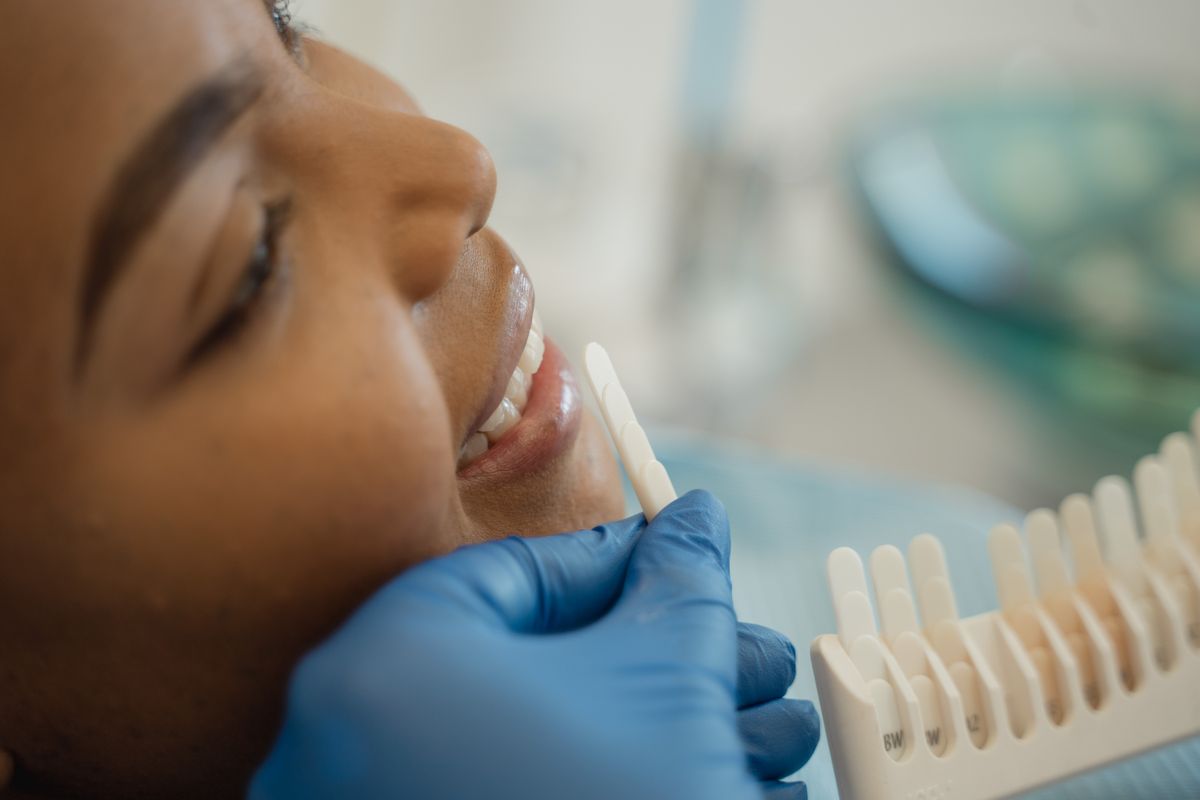
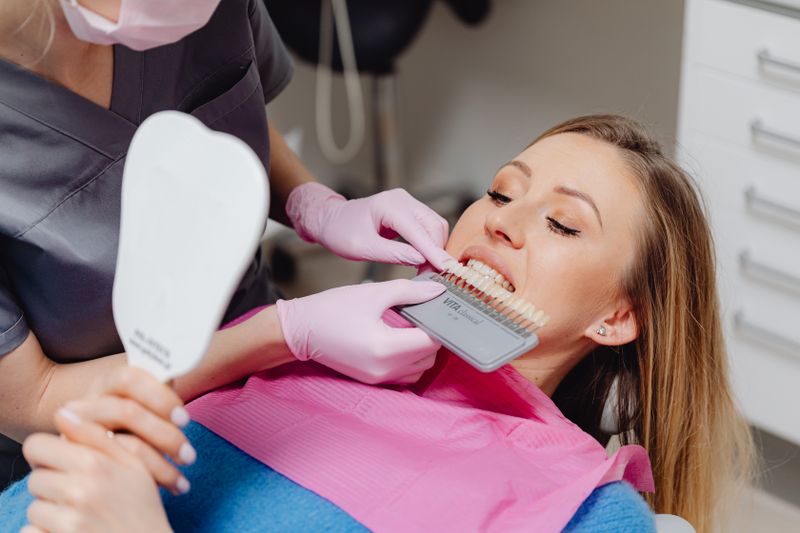
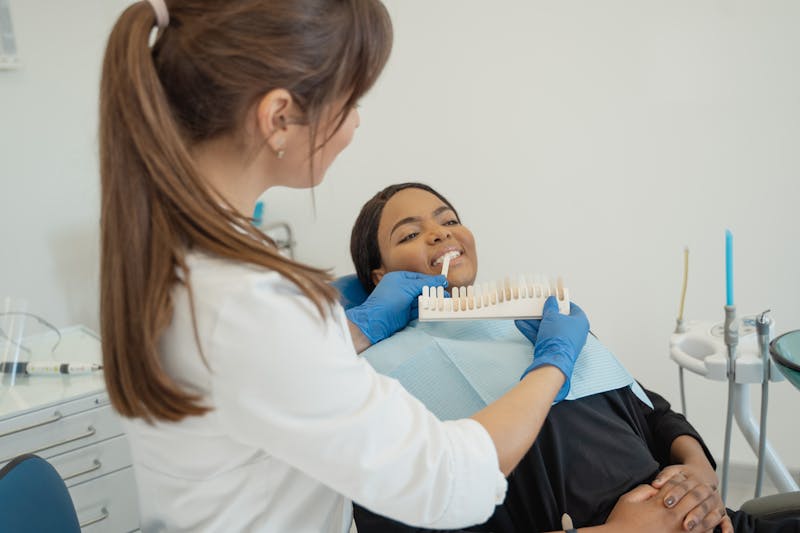
Dentist assessing a smiling patient with a tooth shade guide
Real smile-planning contextPhoto by Tima Miroshnichenko / Pexels. Editorial illustration; not a VIPmedi patient, partner facility, treatment, or result.
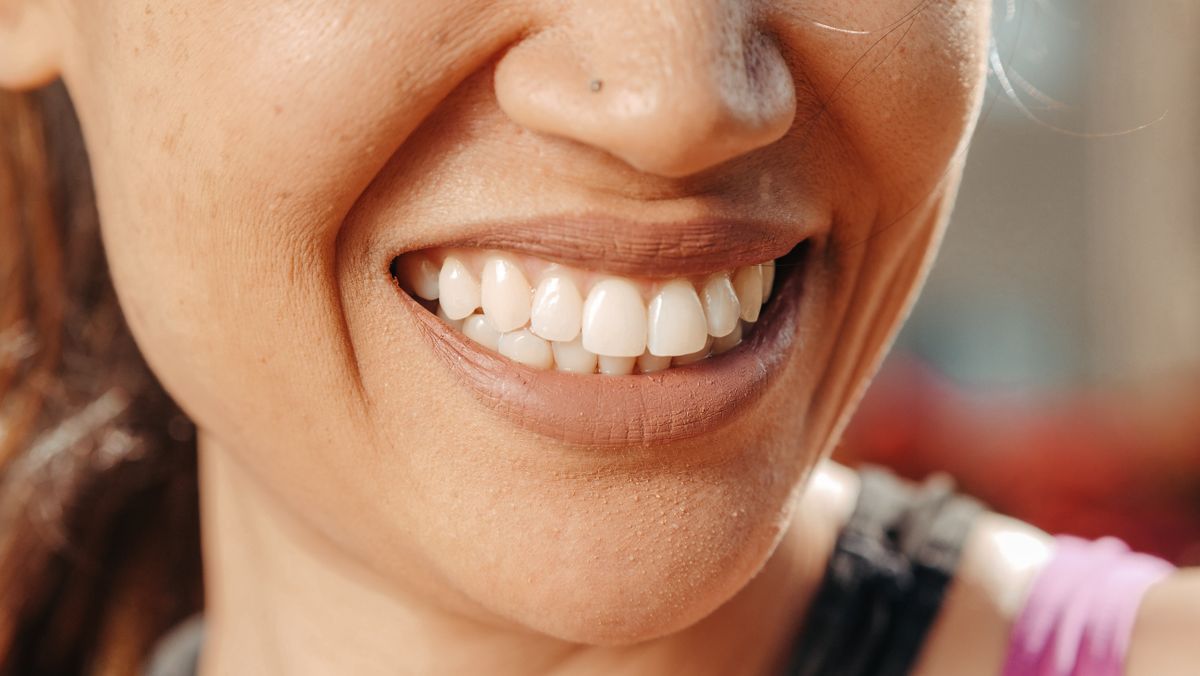
Close-up portrait showing a natural smiling expression and healthy-looking teeth
Kindel Media / Pexels — illustrative natural smile, not a treatment result.
A coordinated plan—not a product

What is a smile makeover?

A smile makeover brings together the dental treatments needed to improve a person’s smile while protecting oral health and function. Some people need only cleaning and whitening. Others may benefit from orthodontics, bonding, veneers, gum treatment, crowns, implants, or a staged combination.

The plan considers teeth at rest and during a full smile, the amount of tooth and gum displayed, colour, shape, size, symmetry, spacing, alignment, midline, lip movement, speech, bite, existing restorations, and the health of teeth, roots, bone, and gums.

It should also identify teeth that need no treatment. A responsible smile plan does not automatically cover every visible tooth.

Your goalsNatural or brighter colour, shape, alignment, proportions, gaps, damaged teeth, or missing teeth.
Health firstDecay, gum disease, infection, failing restorations, and unstable bite require attention before cosmetic work.
Sequenced careOrthodontics or whitening may need to happen before final bonding, veneers, crowns, or implants.
Written planEvery tooth, procedure, material, preparation, visit, exclusion, and follow-up term should be documented.
Different problems need different solutions

Treatments that may form a smile makeover

A combination is selected only after diagnosis. Cosmetic preference does not turn a healthy tooth into a tooth that needs a crown.

Cleaning & professional whitening

Cleaning removes plaque and deposits. Dentist-supervised whitening can lighten natural teeth, but it does not whiten veneers, crowns, fillings, or implants and may cause temporary sensitivity.

Ask about colour planning →

Composite bonding & contouring

Tooth-coloured resin may repair chips, close selected spaces, mask localised colour, or refine shape with little or no enamel removal in suitable cases. It can stain, wear, or chip and needs maintenance.

Explore additive options →

Veneers, crowns & ceramic restorations

Veneers mainly cover front surfaces; crowns surround much more of a tooth. Crowns are generally restorative choices for significantly weakened teeth—not simply a stronger version of veneers.

Compare dental veneers →

Other treatments may include fillings, root-canal treatment, inlays or onlays, periodontal therapy, bite management, or replacement of failing restorations when clinically indicated.

Design follows diagnosis

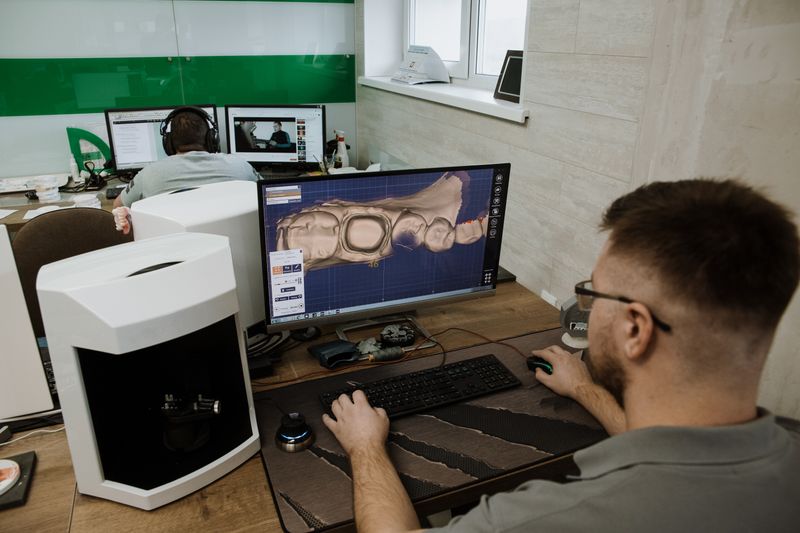
Your smile assessment and digital planning

Photographs and software can support communication, but they do not replace a clinical examination, imaging when indicated, periodontal assessment, bite analysis, and informed consent.

01

Goals & references

Explain what you like and dislike, preferred shade and shape, how natural or uniform you want the result, and what you do not want changed.

02

Clinical examination

Teeth, fillings, crowns, enamel, cracks, decay, vitality, gums, recession, bone support, hygiene, saliva, and soft tissues are assessed.

03

Function & bite

Contacts, jaw movement, tooth wear, grinding or clenching, speech, lip support, and any jaw-joint or muscle symptoms influence the plan.

04

Records & imaging

Photographs, scans or impressions, bite records, and appropriate X-rays help document starting conditions and support tooth-by-tooth decisions.

05

Preview & provisionals

A wax-up, digital simulation, mock-up, or temporary restoration can improve communication but cannot guarantee exact final colour, comfort, or appearance.

06

Consent & maintenance

Benefits, limitations, alternatives, irreversible steps, complications, future repair or replacement, and care after returning home should be documented.

Preserve first, replace only when justified

The conservative treatment ladder

The least invasive option that can predictably meet the health, functional, and aesthetic goal deserves consideration before irreversible preparation.

Colour and small shape changes

Whitening and bonding

May address: general staining, localised discoloration, small chips, limited gaps, edge wear, or minor shape differences.

Trade-offs: whitening affects natural teeth only; composite can stain, dull, wear, or chip and may need polishing, repair, or replacement.

Position and bite

Orthodontics

May address: crowding, spacing, rotations, protrusion, tooth position, and selected bite relationships while retaining natural tooth surfaces.

Trade-offs: treatment takes time, movement has biological limits, and retainers are normally required to reduce relapse.

Front-surface restoration

Dental veneers

May address: selected shape, proportion, colour, wear, gaps, or minor alignment concerns when enamel, bite, gums, and expectations are suitable.

Trade-offs: ceramic veneers commonly involve irreversible enamel preparation and will eventually need maintenance or replacement.

Restore or replace

Crowns, bridges, and implants

May address: weakened, heavily restored, fractured, root-treated, or missing teeth when the clinical condition supports full coverage or replacement.

Trade-offs: these are not routine cosmetic substitutes for healthy teeth. Surgery, broader preparation, healing, and long-term maintenance may apply.

“Turkey teeth” is not a dental diagnosis

The social-media phrase may describe very white restorations, but it does not tell you whether teeth received veneers, crowns, or another treatment. Ask for the exact restoration and preparation on every tooth.

Removed enamel does not grow back. If a quotation proposes crowns on healthy or lightly restored front teeth, ask why whitening, bonding, orthodontics, enamel-conscious veneers, or no treatment would not meet the objective.
A staged plan for international patients

From records to final review

Some makeovers can be completed during one planned visit; multidisciplinary treatment, implants, gum healing, or orthodontics may require separate stages over months.

01Preliminary reviewShare goals, dental history, photographs, existing X-rays, previous treatment, and preferred travel dates.
02Examine and diagnoseConfirm oral health, imaging needs, gums, bite, tooth condition, alternatives, and whether other specialists are needed.
03Design and consentAgree tooth-by-tooth treatment, sequence, colour, shape, materials, preparation, preview limits, costs, and risks.
04Treat in sequenceComplete health, gum, orthodontic, whitening, surgical, restorative, and laboratory stages in the planned order.
05Review and maintainCheck comfort, margins, bite, speech, cleaning, photographs, records, warranties, and continuity after travel.
Do not schedule final delivery immediately before your flight

Keep time for try-in, speech and bite checks, laboratory corrections, gum review, and any unexpected clinical finding. Complex treatment may require healing or a later visit.

Request a Personal Schedule

Before travelling

  • Ask how to submit photographs and dental records securely
  • Request the proposed dentist, facility, branch, and relevant specialists
  • Confirm the provisional treatment plan is not a final diagnosis
  • Keep flights and accommodation flexible until clinical review
  • Plan who provides emergency and routine care after returning home

Your written treatment document

01
Every tooth and procedureNo treatment, whitening, bonding, veneer, crown, bridge, implant, gum, or orthodontic step.
02
Materials and preparationNamed ceramics or composite, restoration coverage, enamel removal, laboratory, and temporary care.
03
Timeline and decision pointsAppointments, healing, try-ins, when the plan may change, and when additional consent is required.
04
Fees and follow-upInclusions, exclusions, cancellation, remake terms, records, aftercare, and local emergency arrangements.
Suitability is treatment-specific

Who may be ready for a smile makeover?

A person can be suitable for one component and unsuitable for another. The team should separate urgent health needs, functional treatment, elective cosmetic goals, and long-term maintenance.

01

Healthy or stabilised mouth

Decay, infection, gum inflammation, and failing restorations are treated or controlled before definitive cosmetic work.

02

Clear priorities

You can explain which concerns matter most and whether your preference is subtle, natural, brighter, or highly uniform.

03

Realistic expectations

You understand that digital previews and reference photos guide communication but cannot guarantee identical anatomy or appearance.

04

Stable bite and habits

Grinding, clenching, nail biting, acid exposure, smoking, and destructive habits are assessed and managed where possible.

05

Commitment to maintenance

You can maintain cleaning, reviews, retainers or protective appliances, and future repair or replacement as instructed.

06

Enough time for safe staging

Your travel plan allows examination, changes to the provisional proposal, healing when needed, and meaningful final checks.

Pause elective cosmetic treatment when…

  • There is untreated decay, infection, or active gum disease
  • Severe pain or swelling has not been diagnosed
  • The bite or grinding risk has not been assessed
  • The plan changes healthy teeth to crowns without clear justification
  • Materials, tooth numbers, or preparation are not documented
  • Pressure, discounts, or flight dates replace informed consent
Coordinated care through established hospital networks

VIPmedi dental partner networks

VIPmedi can request a case review from an appropriate participating dental facility within these partner groups. The exact branch, dentist, specialists, laboratory, treatment scope, and availability must be confirmed for your case.

Acıbadem logoAcıbadem
Memorial logoMemorial
Medical Park logoMedical Park
Medipol logoMedipol
Medicana

A partner logo does not mean every hospital, clinic, or sub-brand provides every cosmetic, orthodontic, periodontal, implant, or laboratory service. Dünyagöz is VIPmedi’s specialist eye-care partner and is not presented as a dental provider. Contact VIPmedi for branch-specific matching.

A makeover is priced from the actual treatment mix

What affects smile makeover costs in Turkey?

No responsible universal package price can apply to every smile. An itemised plan should show what each tooth needs and which stages are cosmetic, restorative, surgical, orthodontic, or preventive.

Examination and diagnosticsClinical assessment, photographs, scans or impressions, X-rays, gum and bite records
Health treatment firstCleaning, fillings, periodontal care, root-canal treatment, extractions, or replacement of failing work
Number of teethExactly which teeth need no treatment, whitening, bonding, veneers, crowns, or replacement
Treatment typesWhitening, composite, orthodontics, gum procedures, ceramics, implants, bridges, or a combination
Materials and laboratoryNamed composite or ceramic, restoration construction, technician, shade work, mock-up, and remakes
Specialist involvementPeriodontist, orthodontist, endodontist, oral surgeon, implant team, or prosthodontic planning
Temporaries and deliveryProvisional restorations, try-ins, bonding or cementation, finishing, adjustments, and protective appliances
Staged or repeat visitsHealing periods, implant stages, orthodontic treatment, retainers, reviews, and additional travel
Coordination and exclusionsNamed facility, language support, documented transfers or accommodation, medication, aftercare, and omitted items
Compare like with like. A quotation for whitening and six veneers is not comparable with one for 20 crowns, gum treatment, and implants. Ask for tooth numbers, restoration types, materials, preparation, diagnostics, specialists, travel inclusions, and remake terms in writing.
Protect the treatment and the biology beneath it

Smile makeover aftercare and risks

Whitened teeth, composite, ceramics, implants, gum treatment, and orthodontic retainers have different care needs. Obtain instructions for every component of your plan.

01Immediately

Follow procedure instructions

Wait for numbness to wear off before chewing. Follow advice on sensitivity, cleaning, medicines, diet, bleeding, swelling, temporaries, or surgical sites.

02First review

Check bite and comfort

Report a high bite, rough or catching margin, flossing problem, speech concern, loose temporary, increasing sensitivity, or appearance issue promptly.

03Daily care

Clean every surface

Brush with fluoride toothpaste and clean between teeth as instructed. Restored teeth and implants still need healthy gums and professional maintenance.

04Long term

Review, protect, and repair

Attend checks, wear prescribed retainers or guards, avoid using teeth as tools, and budget for polishing, repairs, replacement, or retreatment over time.

Woman smiling while brushing her teeth as part of daily oral hygiene
Marcus Aurelius / Pexels — illustrative daily oral care.
Maintenance is part of the treatment

No makeover is maintenance-free

Whitening can fade. Composite may stain, wear, or chip. Veneers and crowns may loosen, fracture, develop margin problems, or need replacement. Teeth can still decay; gums can still become inflamed; implants can develop surrounding tissue disease.

Orthodontically moved teeth can relapse without retention. Grinding can damage restorations and opposing teeth. Gum levels can change over time. A written recall and continuity plan is essential for international patients.

Ask for copies of photographs, X-rays, scans, tooth chart, material and implant records, laboratory information, and final treatment notes for your local dentist.

Arrange prompt dental assessment for severe or worsening pain, facial swelling, fever, pus, uncontrolled bleeding, trauma, a loose or fractured restoration, implant movement, or a significant bite change. Seek urgent local care for rapidly spreading swelling, difficulty swallowing, or difficulty breathing.
Possible treatment-specific risks include: sensitivity, gum irritation, pain, infection, pulp injury or later root-canal treatment, enamel loss, gum recession, colour or shape dissatisfaction, bite problems, chipping, fracture, debonding, implant or gum complications, orthodontic relapse, and the need for adjustment, repair, replacement, or further treatment. Your consent discussion must match the procedures actually proposed.
Fifteen practical answers

Smile makeover in Turkey FAQs

These answers are general information. Your treating dental team must examine you and explain the specific benefits, risks, alternatives, and maintenance of the proposed plan.

1. How do I start a smile makeover enquiry?

Use the Contact Us page to explain what you want to change, your dental history, previous fillings, crowns, veneers, implants or orthodontics, current symptoms, and preferred travel period. Ask how photographs and records should be shared securely.

2. Is a smile makeover the same as a Hollywood Smile?

Not necessarily. “Smile makeover” describes a personalised treatment plan that may be conservative or multidisciplinary. “Hollywood Smile” is a popular aesthetic marketing phrase, often associated with a bright and uniform result. Neither phrase identifies the actual procedures; the written plan must.

3. Which treatments can be included in a smile makeover?

Possible components include cleaning, professional whitening, composite bonding, contouring, orthodontics, periodontal treatment, gum contouring, veneers, crowns, fillings, inlays or onlays, root-canal treatment, bridges, and dental implants. Only indicated treatments should be included.

4. Does every smile makeover require veneers or crowns?

No. Some people may reach their goal with cleaning, whitening, bonding, or orthodontics. Crowns are full-coverage restorations usually used when a tooth needs substantial restoration or protection. Healthy teeth should not automatically be prepared for crowns for cosmetic uniformity.

5. Could professional whitening be enough?

It may be enough when colour is the main concern and the teeth and gums are suitable. Whitening cannot change tooth position or shape and does not lighten crowns, veneers, fillings, bridges, or implants. Existing restorations may need colour coordination after whitening.

6. Can whitening make my crowns and veneers lighter?

No. Whitening gel lightens natural tooth structure, not ceramic, composite, implant crowns, or other restorations. The dentist should plan whitening before final shade selection when replacement restorations are being considered.

7. What is the difference between composite bonding and porcelain veneers?

Bonding uses tooth-coloured resin applied directly to the tooth and is often additive or minimally invasive. It is repairable but can stain, wear, or chip. Ceramic veneers are laboratory-made front-surface restorations that commonly need some irreversible enamel preparation and involve different aesthetic, fracture, repair, and replacement considerations.

8. Will my teeth need to be shaved?

That depends on the procedure, tooth position, enamel, colour, existing work, required space, material, and bite. Whitening and orthodontics do not prepare teeth in the same way as restorations. Bonding may need little or no preparation. Veneers can need enamel reduction; crowns require broader preparation. Ask tooth by tooth.

9. Can orthodontics replace the need for veneers?

Sometimes. Orthodontics can move crowded, spaced, rotated, or protruding teeth and may preserve natural tooth surfaces. It does not directly change intrinsic colour, repair structural damage, or alter every shape concern. A combined plan may use orthodontics first and limited bonding or veneers later.

10. Is gum contouring always part of a smile makeover?

No. The cause of a gummy or uneven smile must be diagnosed. Tooth position, altered passive eruption, gum inflammation, lip movement, jaw relationships, and tooth wear can create different appearances and require different treatments. Removing gum tissue without diagnosis can expose roots or create instability.

11. Can dental implants be part of a smile makeover?

Yes, when teeth are missing or non-restorable and implants are clinically suitable. Implant treatment involves bone and gum assessment, surgery, healing, restorative design, hygiene, and long-term maintenance. It is normally staged and should not be treated as a same-week cosmetic add-on.

12. How many teeth should be treated?

There is no standard number. The visible smile zone, your goals, the condition of each tooth, neighbouring restorations, bite, lip movement, and treatment choice determine the plan. The dentist should mark treated and untreated teeth on a chart and explain every decision.

13. How long should I stay in Turkey?

The schedule depends on the procedures. Whitening or bonding may involve a short course, while laboratory ceramics need records, preparation, temporaries, try-in, delivery, and review. Gum surgery, implants, or orthodontics can require healing or multiple stages over months. Keep travel flexible until the dentist confirms the plan.

14. What are the main risks?

Risks depend on the selected treatments and can include sensitivity, gum irritation, pain, infection, pulp injury, enamel loss, recession, colour or shape dissatisfaction, bite problems, chipping, fracture, debonding, implant complications, relapse, and future repair or replacement. Your consent form should be procedure-specific.

15. What should the written estimate include?

Confirm the dentist and facility, diagnosis, tooth numbers, every procedure, veneer-versus-crown designation, materials, laboratory, preparation, specialists, records, temporaries, treatment order, appointments, medicines, travel services, exclusions, aftercare, records, and remake terms. Contact VIPmedi for an individual enquiry.

Take the next step

Let’s discuss your smile makeover in Turkey

Tell VIPmedi what you would like to change, your dental and restoration history, current symptoms, and when you hope to travel. We can help coordinate an appropriate enquiry with a participating partner facility.

Contact VIPmedi Email: [email protected]

Use the contact page for your initial enquiry. Avoid sending identity documents or full medical records in the first message; ask how requested information should be shared securely.