Material clarity and tooth preservation before treatment

Dental Veneers in Turkey

Dental veneers are custom coverings placed mainly over the visible front surfaces of selected teeth. They may improve colour, shape, proportion, chips, wear, or limited spacing—but they are not interchangeable with crowns.

A responsible plan identifies the material, every tooth, the amount of preparation, alternatives such as whitening, bonding or orthodontics, and how the result will be maintained after you return home.

Veneer—not automatically a crownNamed materialTooth-by-tooth preparation

Final suitability, restoration type, preparation, tooth numbers, material, shade, visit schedule, risks, cost, and aftercare require an examination and written plan from the treating dentist.

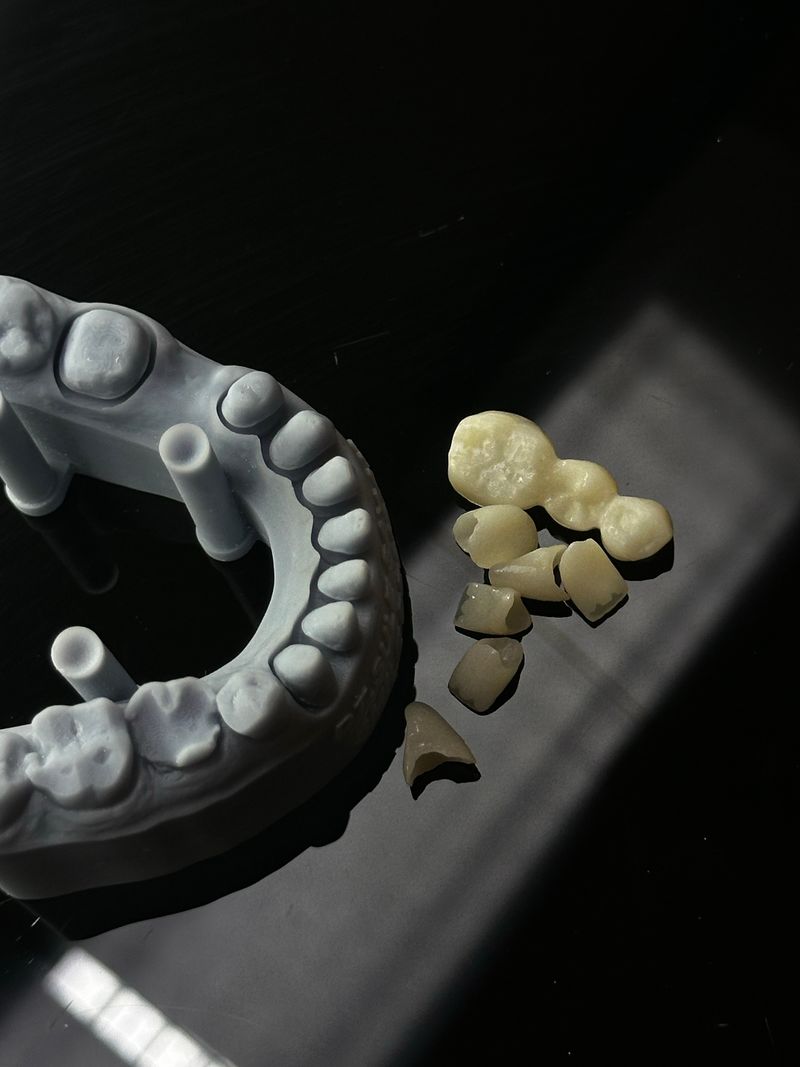
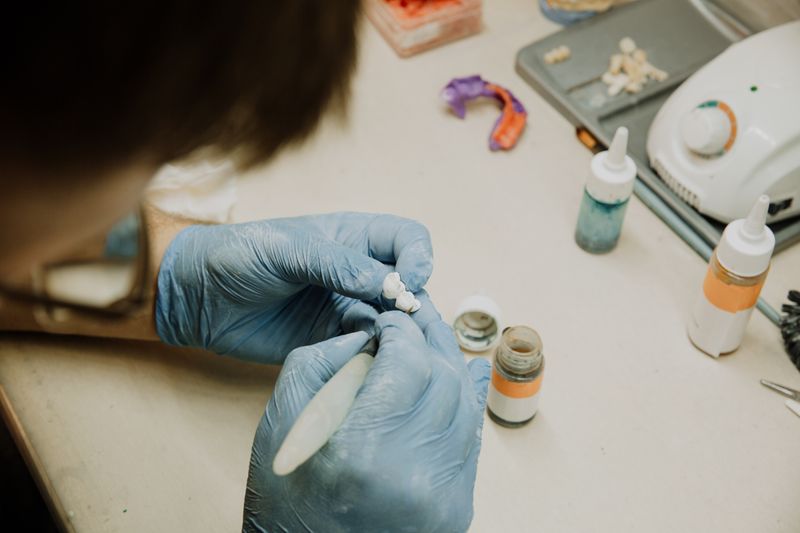
Close-up of individually fabricated ceramic dental veneers on a laboratory surface
Real ceramic restorationsPhoto by Tarık Bayram / Pexels. Editorial illustration; not a VIPmedi case, partner facility, treatment, or result.
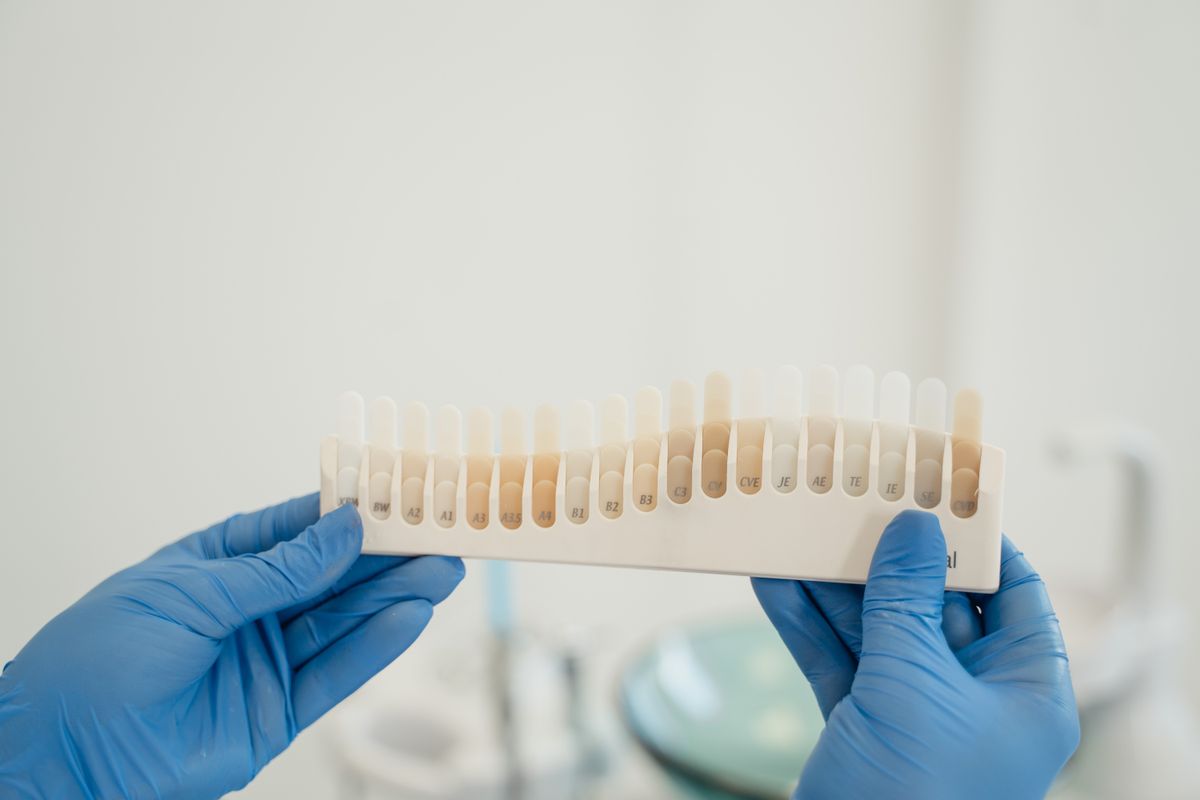
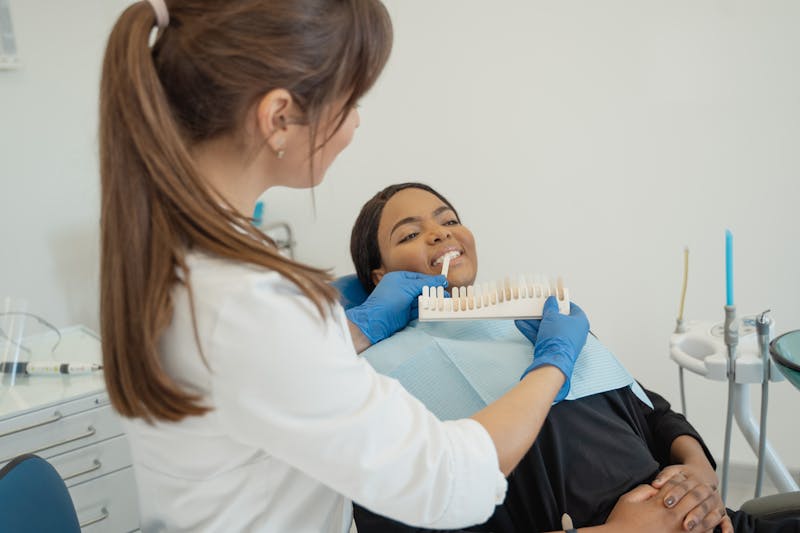
Dentist using a detailed tooth shade guide during cosmetic dental planning
Tima Miroshnichenko / Pexels — relevant shade-planning context.
Thin front-surface restorations

What are dental veneers?

Veneers are tooth-coloured coverings designed mainly for the front surface and visible edge of a tooth. Ceramic veneers are usually fabricated by a dental laboratory and bonded to prepared tooth surfaces. Composite veneers may be built directly by the dentist or made indirectly.

They can camouflage selected cosmetic concerns such as stains that do not respond adequately to whitening, small or misshapen teeth, chips, surface wear, limited gaps, and minor visual irregularities. They do not treat active decay, gum disease, infection, significant structural weakness, or every bite and alignment problem.

The aim should be a stable, cleanable restoration that fits the face, lips, gums, neighbouring teeth, speech, and bite—not simply the whitest available shade.


Front-surface coverageA veneer is a partial covering; it does not surround the entire tooth like a crown.
Selected cosmetic changesColour, proportions, chips, wear, gaps, and limited visual alignment concerns.
Healthy foundationTeeth, roots, gums, enamel, bite, and hygiene must be assessed and stabilised first.
Irreversible when preparedRemoved enamel does not grow back; future maintenance or replacement should be expected.
The material name changes the clinical discussion

Types of dental veneers available in Turkey

“Porcelain,” “E-max,” “zirconium,” and “composite” are not identical labels. Ask for the actual material, construction, preparation, laboratory workflow, and reason for choosing it.

E-max veneers

E-max commonly refers to a lithium-disilicate glass-ceramic system used for selected veneers and other restorations. Enamel bonding, translucency, thickness, masking, preparation, and bite guide suitability.

Read the E-max veneer guide →

Zirconia-based restorations

Zirconia may be used in selected anterior restorations, but “zirconium veneer” is also frequently used for full-coverage crowns. Confirm the surfaces covered, zirconia type, and clinical reason tooth by tooth.

Read the zirconium veneer guide →

Composite veneers and bonding

Tooth-coloured resin can be shaped directly or indirectly with little or no enamel removal in suitable cases. It is repairable and often less invasive but can stain, lose polish, wear, or chip over time.

Ask about additive alternatives →

No material is universally best. The choice depends on diagnosis, enamel, tooth position and colour, required change, preparation, bite, gums, laboratory skill, repairability, maintenance, and your priorities.

Do not approve treatment from a package name

Veneer, crown, bonding, or another solution?

These options cover different amounts of tooth, solve different problems, and create different maintenance obligations.

Partial coverage

Dental veneer

Covers mainly the visible front surface and often the edge. Preparation varies from additive designs to removal of enamel for space, contour, colour, and material thickness.

Ask: which surfaces, how much enamel, and why this material?

Full coverage

Dental crown

Surrounds much more of the prepared tooth. It may be indicated for a heavily restored, fractured, weakened, or root-treated tooth, but is not simply a thicker veneer.

Ask: what structural or restorative reason justifies a crown?

Additive resin

Composite bonding

May alter selected colour, contour, edges, chips, or spaces with limited preparation. It can often be repaired directly but usually needs more surface maintenance than ceramic.

Ask: can the goal be met without ceramic preparation?

No surface covering

Whitening or orthodontics

Whitening can improve natural-tooth colour; orthodontics can change tooth and root position. These options may reduce or remove the need for restorations in suitable cases.

Ask: would sequencing these first preserve more tooth structure?

Count restorations by tooth—not by the word “smile”

A quotation should show which teeth receive veneers, crowns, bonding, whitening, orthodontics, other treatment, or no treatment. “20 veneers” should never conceal a full-crown preparation plan.

Aesthetic design begins with oral diagnosis

Your veneer assessment and smile planning

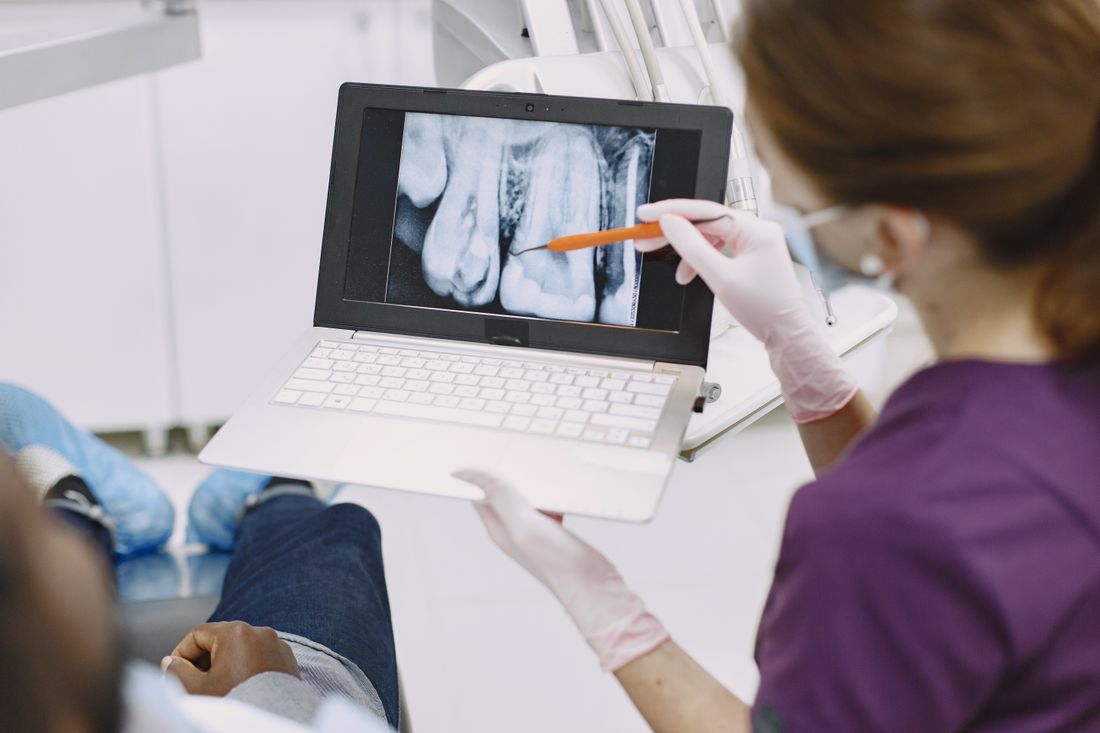
Photographs and digital previews help communication, but they cannot replace examination of decay, gums, enamel, tooth strength, vitality, bite, habits, and appropriate imaging.

01

Health and tooth condition

Decay, old fillings, cracks, vitality, enamel, root treatment, gum inflammation, recession, bone support, and hygiene are assessed first.

02

Smile and facial records

Full-face, smile, retracted, and close-up records can document tooth display, midline, proportions, lips, gums, and starting condition.

03

Alignment and bite

Tooth position, overbite, edge contacts, jaw movement, wear, grinding, clenching, and opposing teeth affect design and fracture risk.

04

Colour diagnosis

Surface or internal staining, natural-tooth shade, old restorations, tooth dehydration, underlying colour, and desired brightness guide the plan.

05

Material and coverage map

Every tooth is assigned no treatment, whitening, bonding, orthodontics, veneer, crown, or another restoration—with the clinical reason.

06

Preview and consent

A wax-up, digital design, mock-up, or temporaries can support discussion but cannot guarantee exact final colour, tissue response, or appearance.

Whiten before final shade selection when appropriate. Whitening lightens natural teeth but not veneers, crowns, fillings, bridges, or implants. The dentist should plan the colour sequence before definitive restorations are made.
A veneer plan should have clear decision points

From examination to bonding and review

The number and timing of appointments depend on health treatment, tooth numbers, preparation, temporaries, material, laboratory workflow, try-in, and adjustments.

01ExamineConfirm teeth, enamel, decay, gums, vitality, alignment, bite, habits, imaging, and alternatives.
02DesignAgree goals, tooth numbers, material, shade, shape, preparation, smile records, and preview limitations.
03Prepare and recordComplete approved preparation, control tissues, take scans or impressions, record the bite, and fit temporaries if needed.
04Try in and bondCheck fit, colour, contour, contacts, speech, and bite before material-specific bonding and finishing.
05ReviewRecheck gums, margins, comfort, cleaning, bite, records, aftercare, repair terms, and continuity after travel.
Keep time for laboratory corrections and a meaningful review

Do not plan final bonding immediately before departure. The dentist may need to alter the provisional proposal after examination, treat unexpected disease, repeat records, adjust the laboratory work, or change the timeline.

Request a Case-Specific Schedule

Before treatment starts

  • Confirm the treating dentist, facility, and dental laboratory
  • See a tooth chart naming every veneer, crown, and untreated tooth
  • Understand the preparation and irreversible enamel removal
  • Review whitening, bonding, orthodontic, and no-treatment alternatives
  • Agree how colour, shape, speech, and bite will be approved

Your written treatment document

01
Tooth-by-tooth treatmentVeneer, crown, bonding, whitening, other treatment, or no treatment—without package ambiguity.
02
Material and constructionPorcelain family, E-max or lithium disilicate, zirconia, composite, layered or monolithic design, and laboratory.
03
Preparation and temporariesSurfaces covered, expected enamel reduction, margin location, provisional care, and what could change clinically.
04
Fees and continuityInclusions, exclusions, schedule, records, review, emergency care, repair, remake, and replacement terms.
Suitability depends on more than appearance

Who may be suitable for dental veneers?

A dentist must decide whether a veneer is biologically, mechanically, and aesthetically appropriate for each tooth—and whether a less invasive option can meet the goal.

01

Healthy or stabilised teeth

Decay, infection, cracks, large failing fillings, and vitality concerns have been diagnosed and treated where needed.

02

Healthy gums

Inflammation and periodontal disease are controlled, margins can be kept clean, and gum levels are suitable for the proposed design.

03

Suitable enamel and position

There is enough appropriate tooth structure and space for the material without creating an overcontoured or poorly bonded restoration.

04

Manageable bite

Edge contacts, tooth wear, grinding, clenching, opposing teeth, and jaw movement can be incorporated into a realistic design.

05

Realistic aesthetic goals

You understand the limits of shade, symmetry, translucency, gum response, digital previews, and matching natural teeth.

06

Commitment to maintenance

You can maintain excellent hygiene, reviews, recommended guards, and eventual polishing, repair, rebonding, or replacement.

Pause veneers when…

  • There is untreated decay, infection, or active gum disease
  • The tooth is structurally too weak for a veneer-only plan
  • Severe crowding or bite risk has not been assessed
  • Grinding or destructive habits are uncontrolled
  • The quotation hides crowns under the word “veneers”
  • Preparation, material, tooth numbers, or alternatives are unclear
Understand irreversible steps and future maintenance

Dental veneer risks and limitations

Risk varies with the tooth, preparation, material, bonding, gum condition, bite, habits, number of restorations, and clinical technique. Consent should be specific to your plan.

01

Sensitivity or pain

Prepared teeth may become sensitive. Symptoms may be temporary, but persistent or severe pain can require further assessment or treatment.

02

Pulp or nerve complications

A tooth may later need root-canal treatment, particularly when it is heavily prepared, previously damaged, cracked, restored, or biologically compromised.

03

Gum and margin problems

Inflammation, recession, exposed margins, food trapping, overcontour, or cleaning difficulty can affect appearance and health.

04

Chipping, fracture, or debonding

A veneer can chip, crack, loosen, or come off. Management may involve polishing, repair, rebonding, or complete replacement.

05

Colour, shape, or bite dissatisfaction

Shade can look different under changing light; teeth may feel bulky or unfamiliar; speech, contacts, and bite may need adjustment.

06

Future replacement

Veneers are not lifetime restorations. The underlying tooth remains, and future repair, replacement, or a different restoration may be required.

Removed enamel does not regenerate. Once a tooth is irreversibly prepared, it normally remains committed to restorative maintenance. Ask the dentist to explain the expected preparation and show why each treated tooth needs a veneer.
Coordinated care through established hospital networks

VIPmedi dental partner networks

VIPmedi can request a case review from an appropriate participating dental facility within these partner groups. The exact branch, dentist, laboratory, veneer material, treatment scope, and availability must be confirmed for your case.

Acıbadem logoAcıbadem
Memorial logoMemorial
Medical Park logoMedical Park
Medipol logoMedipol
Medicana

A partner logo does not mean every hospital, clinic, or sub-brand provides every veneer material, cosmetic procedure, specialist, or laboratory service. Dünyagöz is VIPmedi’s specialist eye-care partner and is not presented as a dental provider. Contact VIPmedi for branch-specific matching.

A quotation must name the actual restorations

What affects dental veneer costs in Turkey?

There is no responsible universal price without assessment. The largest difference may be whether the proposal truly describes veneers, includes crowns, or combines other dental treatment.

Number and identity of teethExact tooth numbers receiving veneers, crowns, bonding, other treatment, or no treatment
Material and constructionComposite, feldspathic porcelain, lithium disilicate or E-max, zirconia, layering, and laboratory fees
Tooth and gum conditionDecay, old restorations, cracks, enamel, vitality, root treatment, gums, recession, and bone support
Diagnostics and designExamination, photographs, X-rays, scans, bite records, wax-up, digital design, mock-up, and shade work
Preparation and temporariesTooth preparation, tissue management, provisional restorations, scans or impressions, and temporary repairs
Health treatment firstCleaning, fillings, gum treatment, root-canal treatment, extractions, or replacement of failing dental work
Try-in and deliveryLaboratory adjustments, shade or shape corrections, bonding, finishing, polishing, contacts, and bite checks
Additional specialistsOrthodontics, periodontics, endodontics, oral surgery, implants, or management of complex bite and wear
Follow-up and travelNamed branch and dentist, reviews, records, emergency access, documented transfers or hotel, exclusions, and remake terms
Compare like with like. A quote for ten conservative ceramic veneers is not comparable with one for 20 crowns, health treatment, or implant work. Ask for tooth numbers, veneer-versus-crown designation, material, preparation, diagnostics, laboratory, temporaries, reviews, travel inclusions, and exclusions in writing.
Protect the restorations and the teeth beneath them

Dental veneer aftercare and maintenance

Veneers do not make the underlying teeth or surrounding gums immune to disease. Daily cleaning, bite protection where prescribed, and professional review remain essential.

01After bonding

Allow numbness to pass

Follow instructions on eating, cleaning, sensitivity, gum care, and temporary precautions. Avoid chewing until local anaesthetic has worn off.

02Early review

Check margins and bite

Report a high bite, rough edge, catching floss, food trapping, persistent sensitivity, pain, speech concern, or dissatisfaction promptly.

03Daily care

Brush and clean between teeth

Use fluoride toothpaste and interdental care as instructed. Do not use abrasive products or whitening treatments on veneers without dental advice.

04Long term

Protect and review

Avoid using teeth as tools, wear a prescribed guard, attend gum and bite checks, and plan for future polishing, repair, rebonding, or replacement.

Woman smiling while brushing her teeth as part of daily oral care
Marcus Aurelius / Pexels — illustrative home oral care.
No veneer is maintenance-free

Keep the final treatment records

Ask for copies of photographs, X-rays, scans, the tooth chart, material and laboratory information, preparation and bonding notes, final shade, and aftercare instructions. These records help a dentist in your home country assess future concerns.

Ceramic may resist staining better than natural tooth structure or composite, but margins and neighbouring teeth can still change. Composite can lose polish or discolour. Gum recession can expose edges. Bite and habits can affect every material.

If a veneer comes off, keep it safely and arrange dental care. Do not use household adhesive. Use the contact page if VIPmedi needs to coordinate records or follow-up questions with the treating facility.

Arrange prompt dental assessment for severe or worsening pain, facial swelling, fever, pus, trauma, a loose or fractured veneer, or a significant bite change. Seek urgent local care for rapidly spreading swelling, difficulty swallowing, or difficulty breathing.
Fifteen practical answers

Dental veneers in Turkey FAQs

These answers provide general information. The treating dentist must examine you and explain the specific benefits, risks, alternatives, material, preparation, and maintenance of the proposed plan.

1. How do I start a dental veneer enquiry?

Use the Contact Us page to explain what you want to change, your dental history, previous fillings, crowns, veneers or orthodontics, current symptoms, and preferred travel period. Ask how photographs and records should be shared securely.

2. What is the difference between a veneer and a crown?

A veneer covers mainly the visible front surface and often the edge of a tooth. A crown surrounds much more of the prepared tooth and is commonly used when substantial restoration or protection is needed. Ask for a tooth chart so crowns are not presented under a general “veneers” label.

3. What materials can dental veneers be made from?

Options can include feldspathic or other porcelains, lithium-disilicate ceramics such as E-max, selected zirconia-based designs, and composite resin. These differ in optical properties, strength, thickness, preparation, bonding, laboratory workflow, repair, and maintenance.

4. Are E-max veneers the same as porcelain veneers?

E-max commonly refers to a branded lithium-disilicate glass-ceramic system. “Porcelain” may be used as a broad public term for ceramic restorations or refer to other ceramic techniques such as feldspathic layering. The written plan should name the actual material rather than rely on a broad label.

5. Are zirconium veneers always true veneers?

No. “Zirconium veneer” is commonly used in marketing, but it can refer to a zirconia veneer or to a full-coverage zirconia crown. Ask which surfaces will be covered, how much tooth will be prepared, and why zirconia is proposed for each tooth.

6. Do veneers require shaving the teeth?

Preparation depends on tooth position, colour, enamel, existing restorations, required space, material thickness, margin design, and bite. Some cases are largely additive; others need enamel reduction. Removed enamel does not grow back, so the dentist should explain the expected preparation tooth by tooth.

7. Can everyone have no-prep veneers?

No. No-prep or minimal-prep treatment requires suitable tooth position, shape, colour, enamel, bite, and available space. Adding material without enough space can create bulky contours, cleaning difficulty, inflamed gums, unnatural proportions, or bite interference.

8. Could bonding, whitening, or orthodontics be better than veneers?

Yes, depending on the concern. Whitening may address general natural-tooth staining, bonding can make selected additive shape changes, and orthodontics can move teeth and roots. These options may preserve more tooth structure or reduce the number of veneers needed.

9. How many teeth should receive veneers?

There is no standard number. Tooth display, lip movement, goals, alignment, natural colour, neighbouring restorations, gum line, bite, and the condition of every tooth determine the plan. Treating more teeth is not automatically better.

10. Can veneers look natural?

They can be designed with individualised shade, translucency, surface texture, edge form, proportions, and contour. The result also depends on underlying tooth colour, preparation, laboratory work, bonding, neighbouring teeth, lips, gums, and lighting. No exact appearance can be guaranteed.

11. How long do dental veneers last?

No veneer has a guaranteed lifetime. Longevity varies with diagnosis, tooth condition, enamel, preparation, material, design, fit, bonding, bite, habits, hygiene, gums, trauma, and maintenance. Repair, rebonding, or replacement may eventually be needed.

12. Can I have veneers if I grind or clench my teeth?

Grinding and clenching can increase risk to veneers, bonds, underlying teeth, opposing teeth, and the bite. The cause and severity should be assessed. The dentist may discuss habit management, orthodontics, design changes, another restoration, or a protective night guard.

13. Do veneers stain, and can they be whitened?

Ceramic veneers are generally more resistant to staining than natural teeth or composite, but surfaces, margins, and neighbouring teeth can change. Composite can stain or lose polish. Whitening gel does not lighten veneers, so colour planning should happen before definitive restorations.

14. How long should I stay in Turkey?

The dentist determines the schedule after examination. Ceramic veneers typically require records, design, preparation, temporaries when needed, laboratory fabrication, try-in, bonding, and review. Health treatment, gum care, orthodontics, laboratory corrections, or unexpected findings can extend the timeline. Keep travel flexible.

15. What should the written estimate include?

Confirm the dentist and facility, diagnosis, tooth numbers, veneer-versus-crown designation, exact material, laboratory, preparation, imaging and records, design or mock-up, temporaries, try-in, bonding, appointments, travel services, exclusions, aftercare, records, and remake terms. Contact VIPmedi for an individual enquiry.

Take the next step

Let’s discuss dental veneers in Turkey

Tell VIPmedi what you would like to change, your dental and restoration history, current symptoms, and when you hope to travel. We can help coordinate an appropriate enquiry with a participating partner facility.

Contact VIPmedi Email: [email protected]

Use the contact page for your initial enquiry. Avoid sending identity documents or full medical records in the first message; ask how requested information should be shared securely.