Material clarity before treatment

Zirconium Dental Veneers in Turkey

Explore zirconia-based dental restorations with clear veneer-versus-crown terminology, digital planning, material verification, and coordinated care through VIPmedi’s partner hospital groups.

“Zirconium veneer” is a familiar search and marketing term, but it does not define the restoration. Before treatment, confirm whether each tooth will receive a thin partial-coverage zirconia veneer, a zirconia crown, or another ceramic restoration.

Named restorationVerified zirconiaTooth-by-tooth plan

Final suitability, restoration type, preparation, zirconia specification, tooth numbers, shade, visit schedule, and aftercare require an examination and written plan from the treating dentist.

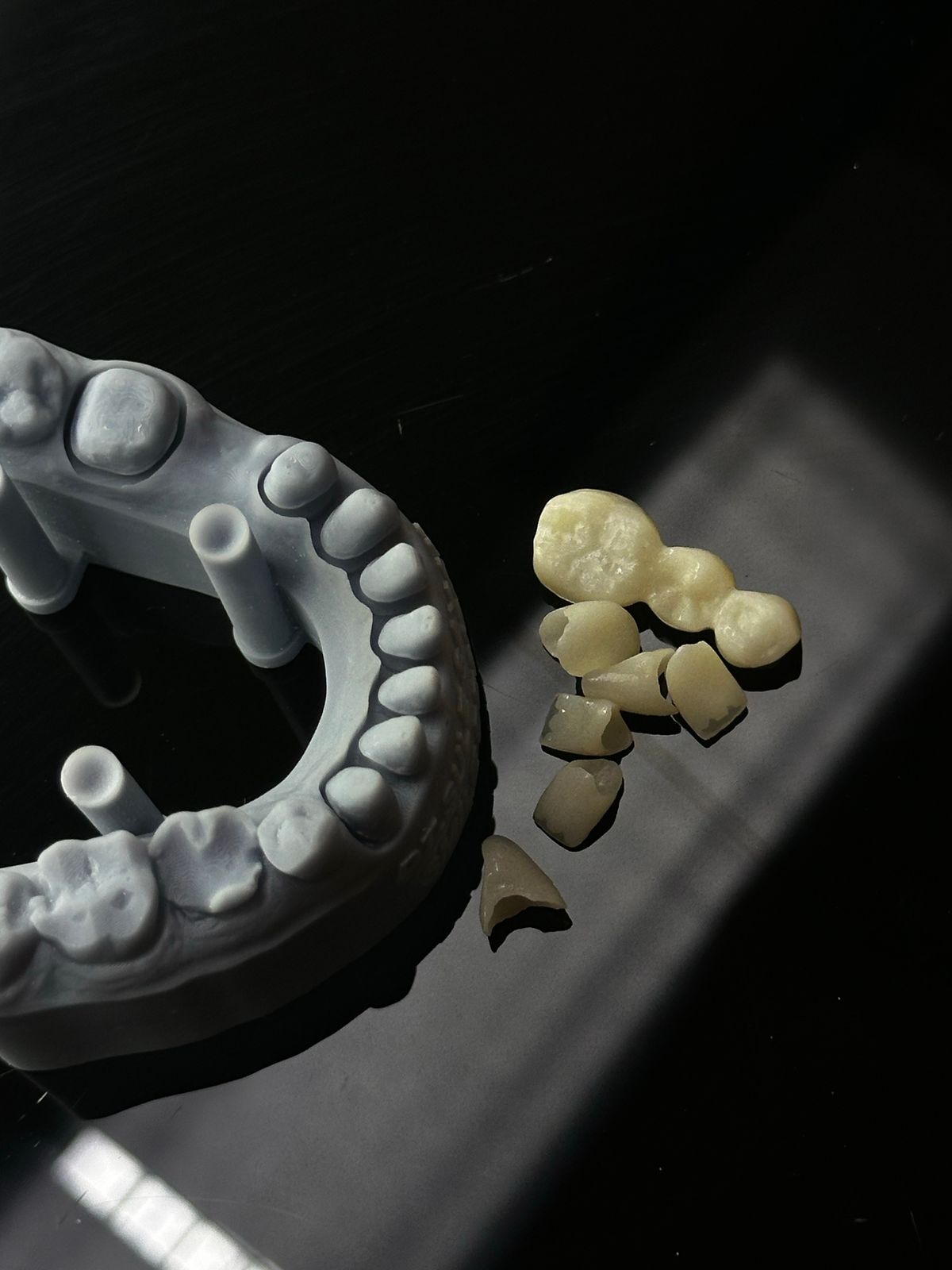
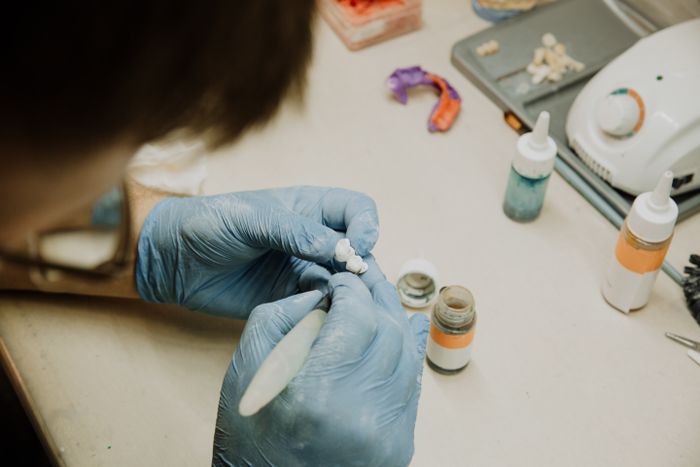
Close-up of individually fabricated ceramic dental restorations on a reflective laboratory surface
Ceramic laboratory workPhoto by Tarık Bayram / Pexels. Editorial illustration; not a VIPmedi case, partner facility, treatment, or result.
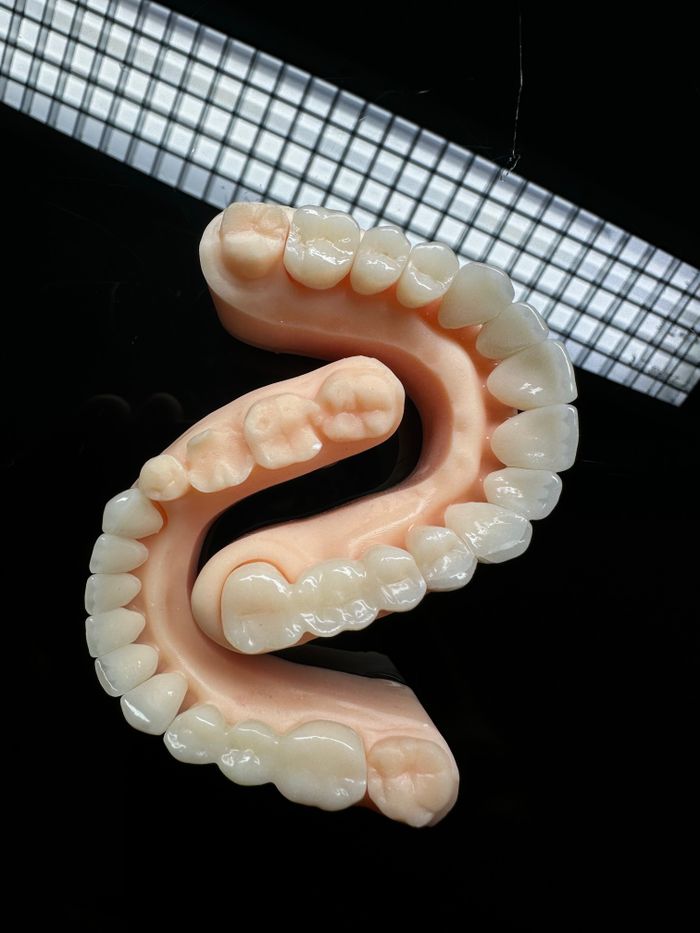
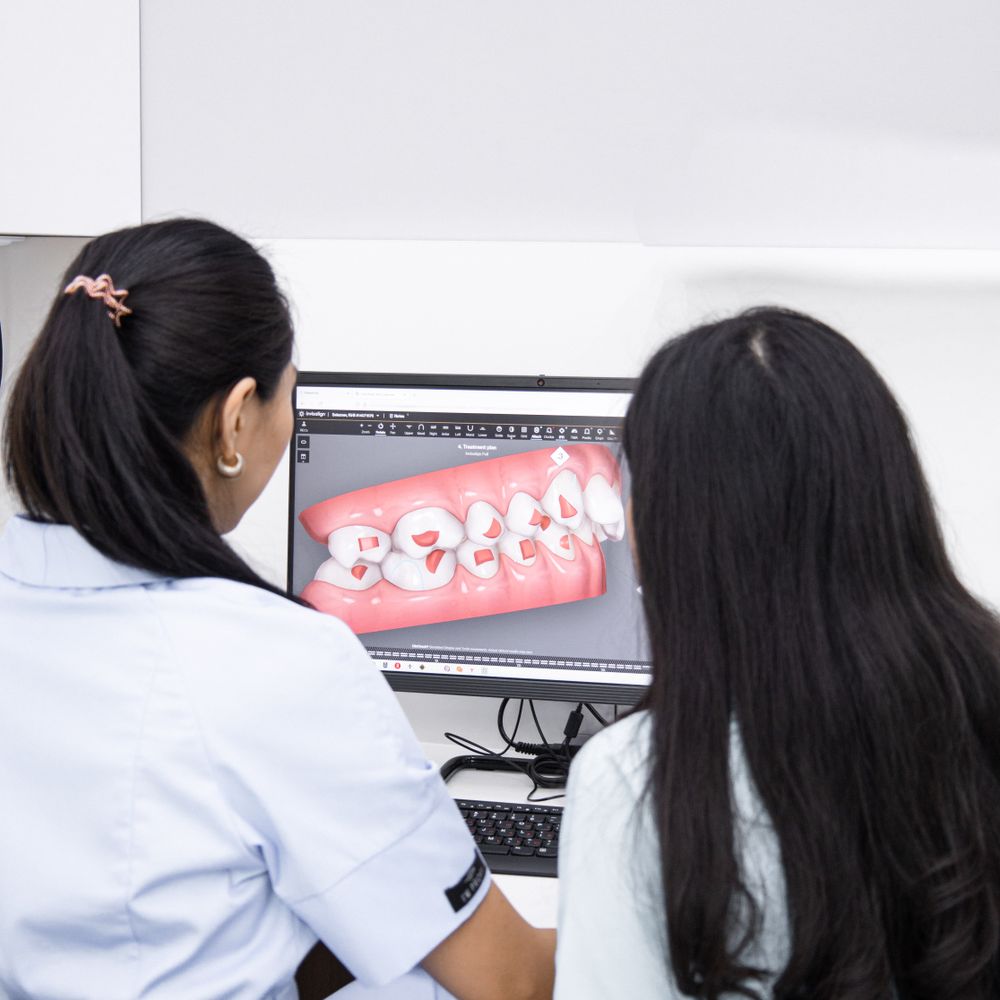
Dental model with digitally designed ceramic restorations in a laboratory setting
Digital dental model: Tarık Bayram / Pexels
The correct material name is zirconia

What are zirconium dental veneers?

In dentistry, “zirconium” usually refers to zirconia—zirconium dioxide, a tooth-coloured ceramic used for crowns, bridges, implant restorations, and selected veneer designs. It is not a visible metallic covering.

A true veneer covers mainly the front surface and visible edge of a tooth. A crown surrounds much more of the tooth. Because zirconia is used frequently for crowns, the word “zirconium” alone does not tell you how much of the tooth will be covered or prepared.

Ask for the tooth number, restoration type, zirconia manufacturer or system when available, design, laboratory, preparation, and bonding or cementation plan to be documented.

The most important question on this page

Is the plan a veneer, a crown, or something else?

Two quotations can both say “zirconium teeth” while describing very different amounts of tooth coverage and preparation.

Partial coverage

Zirconia veneer

Covers mainly the visible facial surface and possibly the edge. Suitability depends on space, enamel, preparation, translucency, masking need, bite, and a reliable bonding plan.

Confirm: exact surfaces covered and why zirconia is preferred to a glass ceramic.

Full coverage

Zirconia crown

Surrounds the prepared tooth and may be proposed for a heavily restored, fractured, weakened, or root-treated tooth—or for a full-coverage cosmetic plan.

Confirm: the clinical reason, preparation extent, margin position, and alternatives.

Monolithic or layered

How it is constructed

A restoration may be milled mainly from zirconia or use a zirconia framework with aesthetic ceramic layering. Appearance, chipping patterns, adjustment, and repair considerations differ.

Confirm: monolithic, layered, or another construction.

Written specification

Name every tooth

Do not rely on “premium zirconium” as the full description. One tooth may need a veneer, another a crown, and another no restoration.

Confirm: tooth numbers, materials, restorations, preparation, laboratory, and remake terms.

Do not treat “veneers” and “crowns” as interchangeable words. A crown normally requires broader preparation. Ask the dentist to mark every proposed restoration on a tooth chart before you consent.
From scan to laboratory restoration

Four decisions that shape a zirconia plan

Zirconia is a family of restorative ceramics. Strength, translucency, thickness, design, surface treatment, and manufacturing workflow must be matched to the tooth and clinical objective.

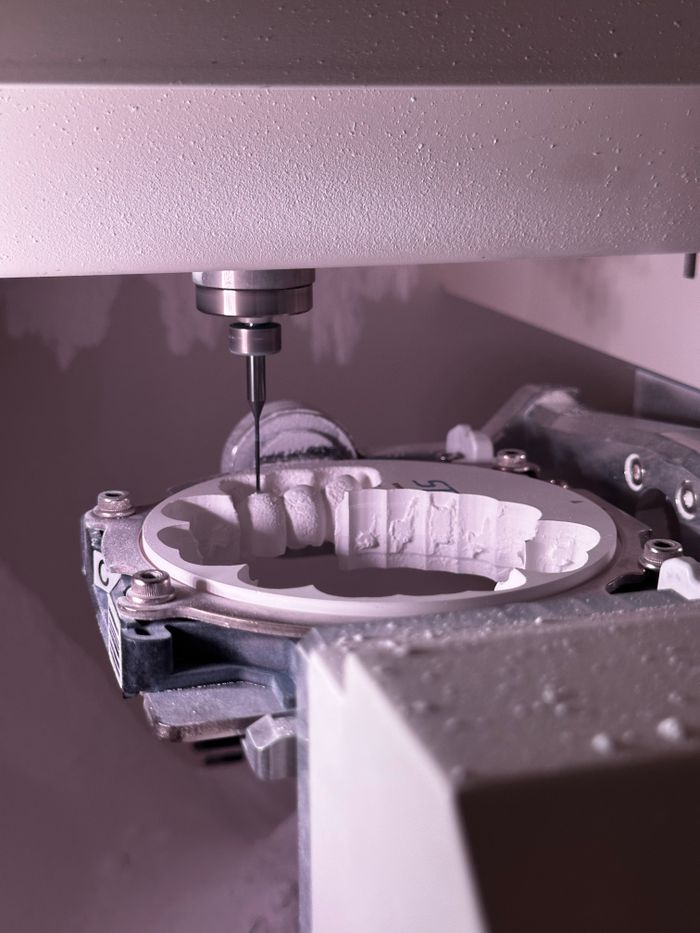
Close-up of a CAD-CAM milling machine shaping dental ceramic materialCAD-CAM milling: Tarık Bayram / Pexels

Material & translucency

More translucent zirconia can support anterior aesthetics, while other formulations prioritise strength or masking. These properties involve trade-offs rather than one universal “best grade.”

Ask about the exact zirconia →
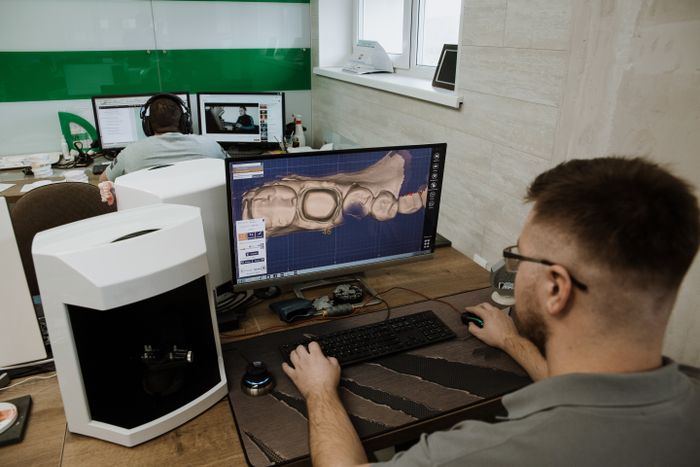
Dental technician designing a three-dimensional tooth restoration using CAD softwareDigital design: Ivan Babydov / Pexels

Coverage & preparation

Digital design should follow diagnosis, not dictate it. Available enamel, tooth position, colour, old fillings, cracks, and required thickness influence whether a veneer or crown is proposed.

Clarify the preparation plan →

Colour, shape & contour

Opacity can help mask selected discolouration, but the restoration should not become bulky. Shade, surface texture, edge form, gum line, neighbouring teeth, and lip movement all matter.

Discuss smile design →
Dental laboratory technician working precisely on custom restorationsLaboratory finishing: Ivan Babydov / Pexels

Bonding or cementation

Zirconia does not behave like silica-based glass ceramics during surface conditioning. The dentist should follow a material-specific protocol and manufacturer instructions for the chosen restoration.

Ask about delivery and bonding →

Zirconia restorations do not treat active decay or gum disease, move tooth roots, or make every damaged tooth suitable for the same preparation and material.

Diagnosis and design before milling

A digital workflow still needs clinical judgement

Examination, photographs, scans or impressions, imaging when indicated, shade records, bite analysis, provisional designs, and laboratory communication work together.

01

Diagnosis

Decay, gums, cracks, vitality, old restorations, enamel, alignment, and the reason for discolouration are assessed before cosmetic design.

02

Coverage map

The dentist records whether each tooth needs no restoration, bonding, a veneer, an onlay, or a crown—and why.

03

Shade & opacity

The chosen zirconia, thickness, underlying tooth colour, cement, surface finish, and surrounding teeth influence appearance.

04

Proportion

Width, length, contour, gum line, facial and dental midlines, lip movement, speech, and neighbouring teeth guide the design.

05

Preview

A wax-up, digital design, mock-up, or temporary restoration can support discussion but cannot guarantee final appearance or biological response.

06

Bite & finish

Contacts, jaw movement, edge position, surface polish, and opposing teeth influence comfort, wear, and restoration risk.

Compare materials and purposes

Zirconia and other dental options

The most suitable treatment preserves healthy tooth structure while meeting functional and aesthetic needs. Material strength alone does not decide the plan.

Oxide ceramic

Zirconia restoration

May suit: selected cases where strength, masking, design, or a particular restorative indication supports zirconia.

Consider: restoration type, translucency, preparation, surface treatment, bonding or cementation, finishing, and evidence for the specific use.

Glass ceramic

Lithium disilicate / E-max

May suit: many anterior veneers where enamel bonding, translucency, and detailed aesthetic control are priorities.

Consider: masking needs, thickness, fracture risk, underlying tooth, preparation, and laboratory workflow.

Layered ceramic

Feldspathic porcelain

May suit: conservative additions and highly individualised colour or texture in carefully selected cases.

Consider: laboratory skill, required masking and thickness, preparation, bonding, chipping, and repair.

Non-ceramic alternatives

Bonding, whitening, or orthodontics

May suit: smaller shape changes, general colour improvement, crowding, spacing, rotated teeth, or bite concerns.

Consider: maintenance, treatment time, retention, and whether these options avoid unnecessary tooth preparation.

Do not choose a material from one photograph or a single strength claim. Ask the dentist to explain why the proposed restoration and zirconia type fit your tooth, bite, aesthetic objective, and long-term maintenance plan.
Your treatment sequence

From examination to delivery and review

The number and timing of appointments depend on oral health, the restoration type, preparation, temporaries, laboratory workflow, tooth numbers, and required adjustments.

01ExamineDental history, teeth, enamel, restorations, caries, gums, cracks, vitality, bite, grinding, photos, scans, and imaging as indicated.
02SpecifyTooth-by-tooth restoration type, exact zirconia, alternatives, shade, design, preparation, laboratory, risks, and consent.
03Prepare & recordConservative preparation appropriate to the named restoration, then scans or impressions; temporaries may be required.
04Try in & verifyReview seating, margins, contacts, contour, shade, smile, speech, bite, and agreed changes before final delivery.
05Deliver & reviewMaterial-specific bonding or cementation, excess removal, bite adjustment, polishing, hygiene advice, records, and follow-up.
Verify the restoration before it is permanently delivered.

Confirm the tooth numbers, veneer or crown designation, material, fit, shape, shade, symmetry, speech, contacts, bite, and any requested changes.


Suitability & safety

Healthy foundations come before ceramic treatment

The dentist should assess decay, gum health, enamel, existing fillings or crowns, cracks, tooth vitality, alignment, bite contacts, wear, grinding or clenching, oral hygiene, and the reason for every proposed restoration.

Active disease or infection should be treated first. Severe enamel loss, large restorations, uncontrolled grinding, an edge-to-edge or deep bite, significant misalignment, or a structurally weakened tooth may require a different sequence, design, or restoration.

Risks and limitations should be discussed before consent. These may include sensitivity, irreversible tooth reduction, gum irritation or recession, over-contour, colour mismatch, margin staining or decay, bite problems, opposing-tooth wear, chipping of layered ceramic, fracture, loosening or debonding, and future repair or replacement.
Our hospital network

Dental care through our partner groups

VIPmedi works with Acıbadem, Memorial, Medical Park, Medipol, and Medicana. Dental services are provided at selected hospitals, clinics, and affiliated branches within these groups.

Acıbadem logoAcıbadem
Memorial logoMemorial
Medical Park logoMedical Park
Medipol logoMedipol
Medicana

The hospital or clinic, branch, affiliated sub-brand, treating dentist, laboratory, restoration type, zirconia system, and appointment availability are confirmed for your case. Not every branch provides every dental procedure or material.

Individual treatment information

What affects the zirconium veneer cost

There is no responsible universal price without a dental assessment. The largest difference may be whether a quotation describes veneers, crowns, or a combination.

Restoration type and tooth numbersTrue veneers, crowns, other partial restorations, or no treatment—mapped tooth by tooth
Tooth and gum conditionEnamel, old restorations, decay, cracks, vitality, gums, alignment, and bite complexity
Exact zirconia and constructionSpecified system, monolithic or layered design, translucency, masking, thickness, and laboratory fees
Digital and diagnostic workClinical photos, imaging, scans, digital design, wax-up, mock-up, bite records, and shade communication
Preparation and temporary careTooth preparation, provisional restorations, try-in, bonding or cementation, finishing, and adjustments
Facility, follow-up, and travelNamed dentist and branch, reviews, emergency access, documented hotel or transfers, language support, and exclusions
Ask for one itemised written estimate. It should identify every tooth, veneer or crown, exact material, construction, preparation, laboratory work, diagnostics, temporaries, delivery, reviews, travel inclusions, exclusions, and remake arrangements.
Aftercare & maintenance

Protect the restorations and the teeth beneath them

Zirconia restorations are not lifetime treatments. Their condition varies with diagnosis, preparation, design, fit, bonding or cementation, surface finish, bite, habits, hygiene, gums, trauma, and professional maintenance.

01After delivery

Check comfort and bite

Tell the dentist if the bite feels high, floss catches, a margin feels rough, or sensitivity or pain is severe, worsening, or persistent.

02Daily care

Clean teeth and margins

Brush with fluoride toothpaste and clean between teeth as instructed. Restored teeth can still develop decay and gum disease.

03Protect

Avoid damaging habits

Do not bite hard objects or use teeth as tools. Use a sports mouthguard and a night guard only if the dentist recommends one.

04Review

Plan continuity of care

Arrange checks of gums, margins, bite, surface finish, bonding or cement, underlying teeth, and any wear, chipping, fracture, or loosening.

Arrange prompt dental assessment for severe or worsening pain, facial swelling, fever, pus, trauma, a loose or fractured restoration, or a significant bite change. Seek urgent local care for rapidly spreading swelling, difficulty swallowing, or difficulty breathing.
Quick answers

Zirconium dental veneer FAQs

How do I start a zirconium dental veneer enquiry?

Use the Contact Us page to explain what you want to change, relevant dental history, previous veneers, crowns, fillings or orthodontics, and your preferred travel period. Ask how requested photographs or records should be shared securely.

Is the material called zirconium or zirconia?

Zirconium is a chemical element; the dental ceramic is zirconium dioxide, commonly called zirconia. “Zirconium teeth” and “zirconium veneers” are widely used public-facing terms, but the written clinical plan should name the actual zirconia system and restoration.

How do I know whether I am being offered veneers or crowns?

Ask for a tooth chart showing every restoration. A veneer mainly covers the visible front surface; a crown surrounds much more of the tooth. The dentist should explain preparation depth, margin position, clinical reason, and alternatives tooth by tooth.

Are zirconia veneers the same as porcelain or E-max veneers?

No. Zirconia is an oxide ceramic; E-max commonly refers to a lithium-disilicate glass-ceramic system, while “porcelain” can be used broadly or refer to feldspathic ceramic. Their optical properties, preparation, manufacturing, and bonding protocols differ.

Why might a dentist propose zirconia?

A dentist may consider zirconia because of the restoration type, required strength, available thickness, masking need, tooth condition, bite, or laboratory workflow. The reason should be specific to your tooth rather than a general claim that one material is always best.

Can zirconia restorations look natural on front teeth?

Modern translucent and layered zirconia systems can be designed for anterior teeth, but appearance depends on material, thickness, underlying tooth colour, laboratory work, contour, texture, surface finish, shade, and neighbouring teeth. No appearance can be guaranteed.

Do zirconium veneers require shaving the teeth?

Preparation depends on whether the proposed restoration is actually a veneer or crown, the tooth position and colour, required space, material thickness, margins, and bite. Ask for the plan tooth by tooth. Removed enamel does not grow back.

Can everyone have no-prep zirconia veneers?

No. Minimal or no preparation depends on tooth position, shape, colour, enamel, bite, required thickness, and the restoration design. Adding material without adequate space may cause bulky contours, gum problems, cleaning difficulty, or bite interference.

Can zirconia mask very dark teeth?

Selected zirconia restorations may provide useful masking, but opacity, thickness, preparation, cement shade, and the desired translucency must be balanced. The cause of discoloration and tooth condition need diagnosis first.

Is zirconia suitable if I grind or clench my teeth?

Material strength does not eliminate risk. Grinding can affect the restoration, bond or cement, opposing teeth, gums, and bite. The dentist should assess the cause and may discuss bite management, design changes, orthodontics, another restoration, or a night guard.

Is bonding zirconia different from bonding E-max?

Yes. Zirconia and silica-based glass ceramics respond differently to surface conditioning. The correct surface treatment, primer, cement, isolation, and finishing depend on the material, restoration, preparation, and manufacturer instructions. This should be handled by the treating dental team.

How long do zirconia veneers or crowns last?

No restoration has a guaranteed lifetime. Longevity varies with diagnosis, tooth condition, preparation, material, design, fit, delivery protocol, bite, habits, surface finish, hygiene, gums, trauma, and maintenance. Repair or replacement may eventually be needed.

What happens if a zirconia restoration chips or comes loose?

Keep any detached piece if possible and contact a dentist. Management depends on whether the restoration is monolithic or layered, the tooth, bond or cement, and damage. It may be polished, repaired, rebonded, recemented, or remade. Do not use household glue.

How long should I stay in Turkey?

The dentist determines the schedule after reviewing oral health, restoration type, preparation, temporaries, laboratory workflow, tooth numbers, and adjustments. Keep travel flexible and avoid arranging final delivery immediately before departure.

What should my written estimate include?

Confirm the dentist and branch, tooth numbers, veneer or crown designation, exact zirconia, construction, laboratory, records or imaging, design or mock-up, preparation, temporaries, delivery, reviews, travel services, exclusions, aftercare, and remake arrangements. Contact VIPmedi for an individual enquiry.

Take the next step

Let’s discuss zirconium dental veneers in Turkey

Tell us what you would like to change, your dental and restoration history, and when you hope to travel. VIPmedi can help coordinate the next appropriate enquiry with a participating partner facility.

Contact VIPmedi Email: [email protected]

Use the contact page for your initial enquiry. Avoid sending identity documents or full medical records in the first message; ask how requested information should be shared securely.