Upper and lower eyelid surgery

Blepharoplasty (Eyelid Surgery) in Turkey

Explore eyelid surgery with separate upper- and lower-lid assessment, documented eye-health and dry-eye review, precise skin and fat planning, lower-lid support evaluation and coordinated postoperative follow-up.

Blepharoplasty can remove or reposition selected eyelid skin and fat. It does not automatically correct a low brow, true eyelid ptosis, tear-trough hollowing, pigmentation, festoons or every cause of an aged or tired eye area.

Upper and lower lids mappedEye health reviewedVision warning signs explained

Final suitability, exact eyelid procedure, eye tests, anaesthesia, lower-lid support, hospital stay, recovery and fit-to-fly timing require an examination and written plan from the treating surgeon and anaesthesia team.

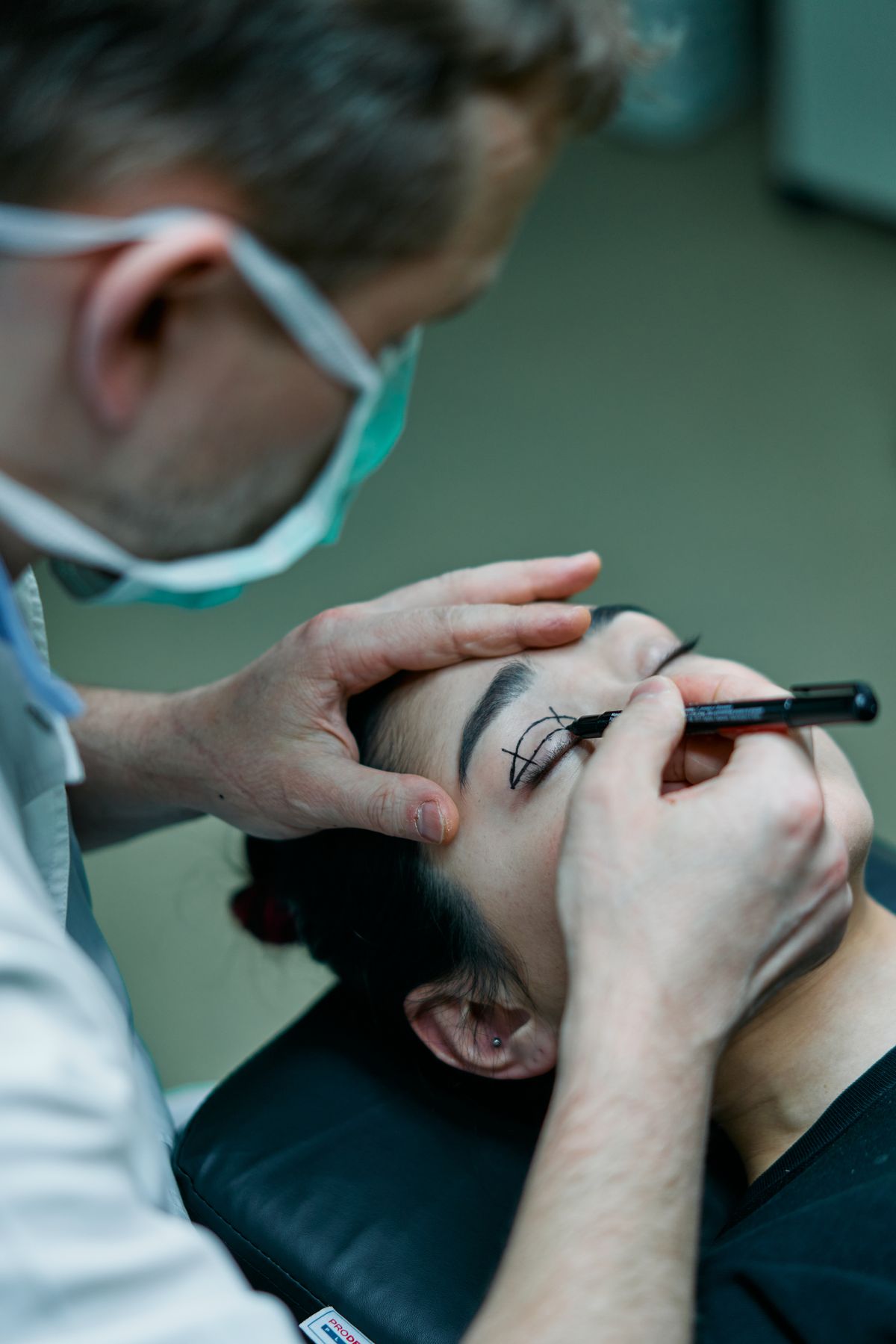
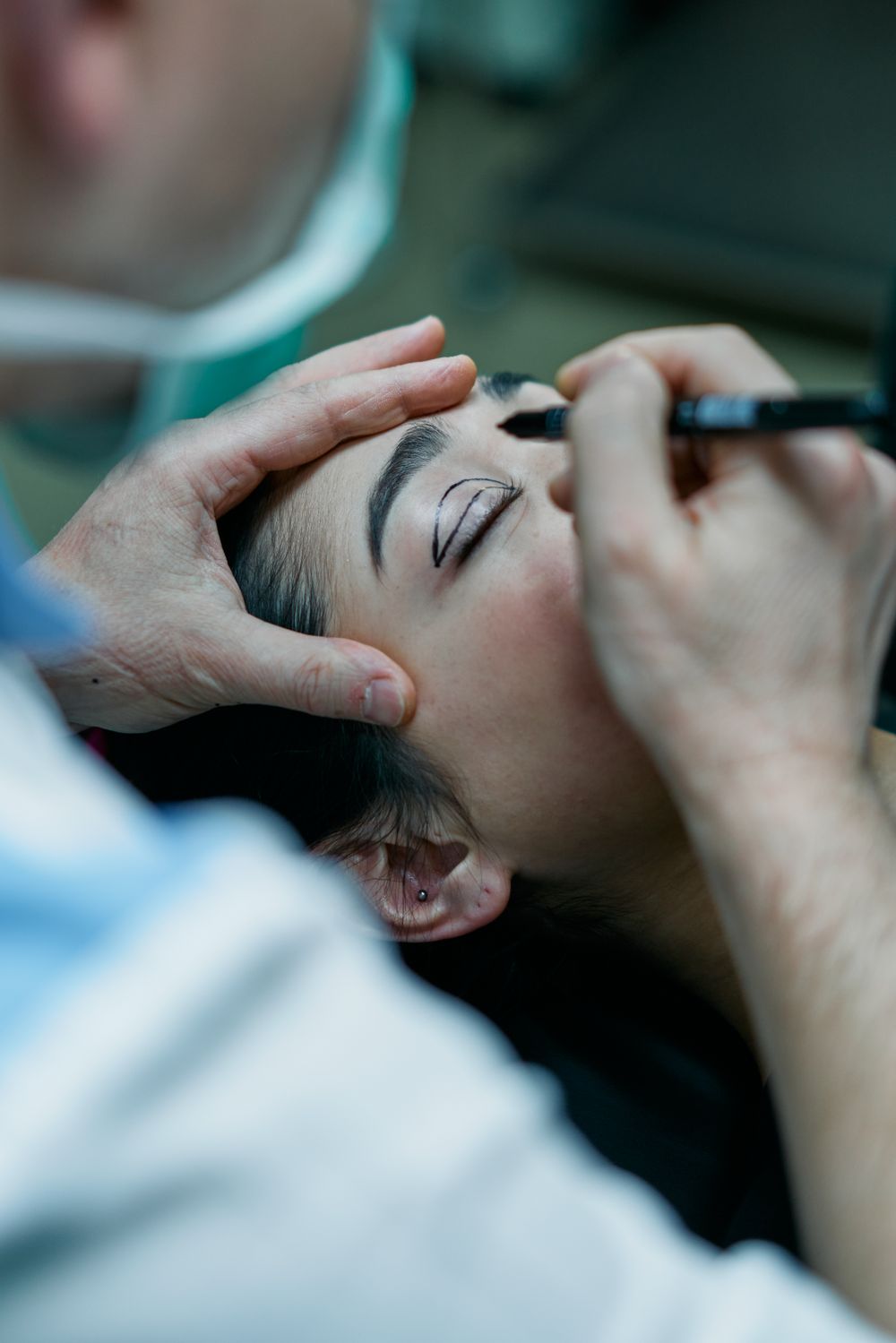
Surgeon carefully marking a patient’s upper eyelid before blepharoplasty
Upper-eyelid surgical planningPhoto by cottonbro studio / Pexels. Editorial illustration; not a VIPmedi patient, partner facility, treatment, case or result.
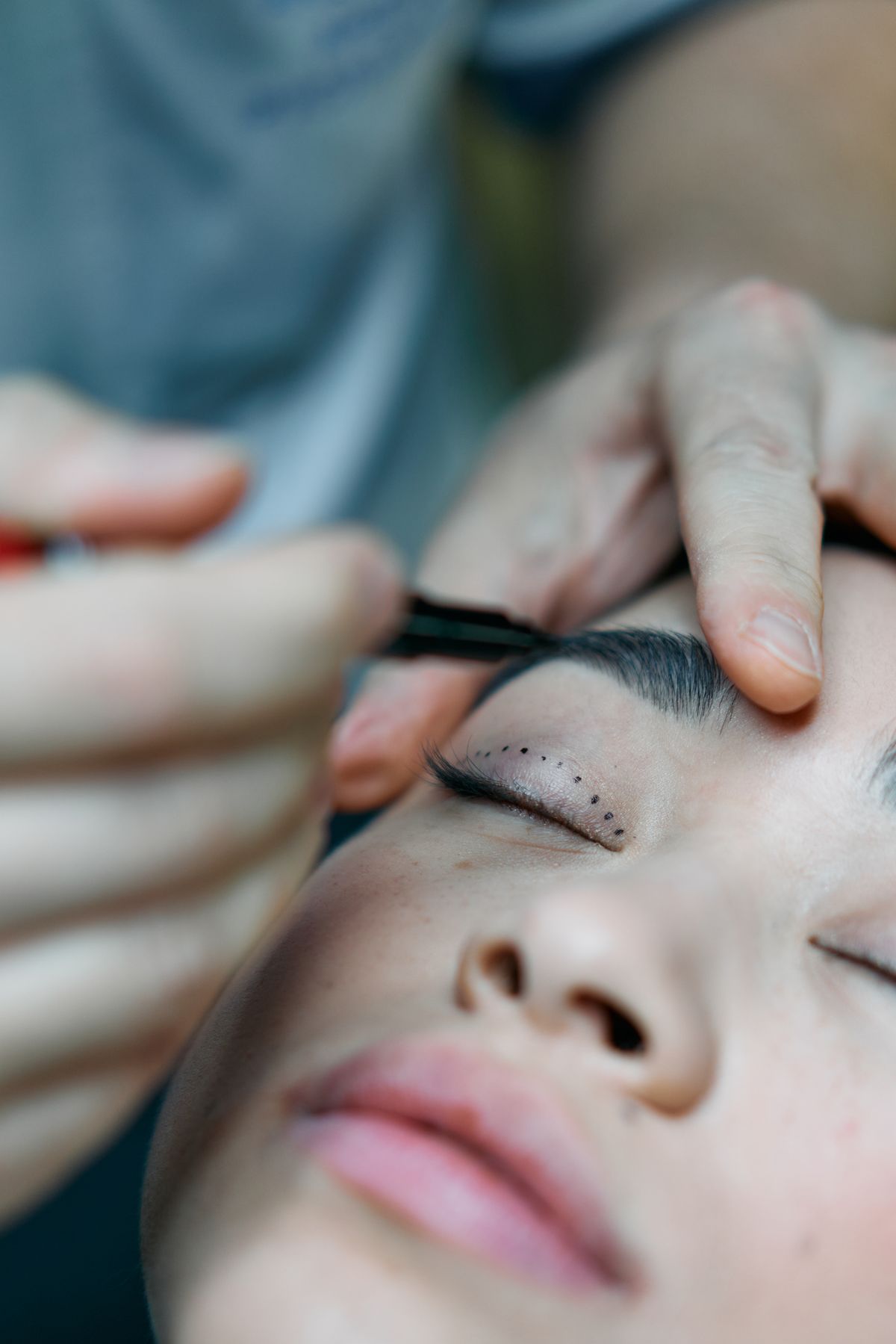
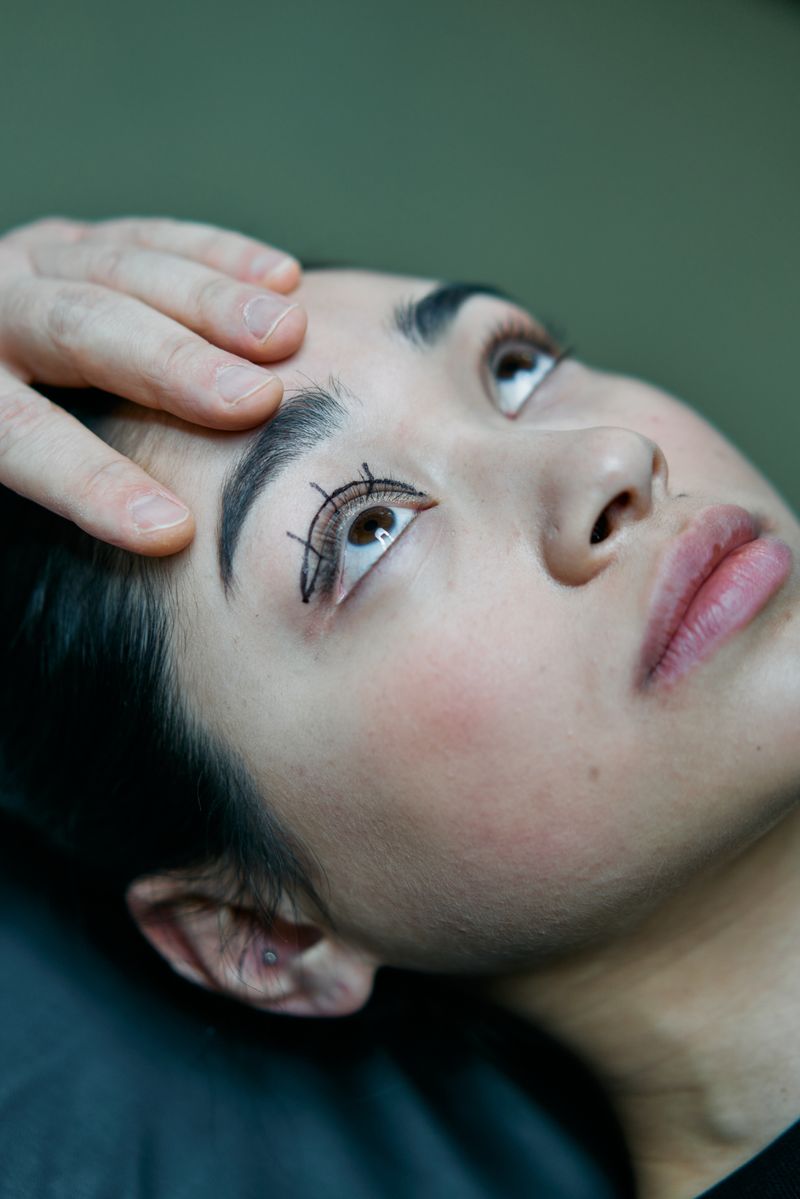
Close-up of a surgeon reviewing marked upper and lower eyelid anatomy before surgery
Eyelid planning: cottonbro studio / Pexels
Millimetres matter around the eye

What is blepharoplasty?

Blepharoplasty is surgery on the upper eyelids, lower eyelids or both. Depending on the concern, the surgeon may remove a measured amount of skin, adjust muscle, remove or reposition fat and support the lower eyelid.

Upper-lid surgery often places the incision in the eyelid crease. Lower-lid surgery may use an incision below the eyelashes or inside the lower lid. The correct access depends on skin excess, fat, lid tone, eye prominence and support—not a preference for “no visible scar” alone.

The aim is not to erase every line or make both sides identical. Natural eyelid crease, brow position, facial identity, eye closure, tear-film protection and vision must be considered together.


Identify the structure creating the concern

Eyelid skin, fat, muscle, brow or cheek?

Several conditions can look similar in a photograph. A responsible plan identifies which tissue is contributing and what blepharoplasty will not correct.

Upper eyelid

Skin and fat excess

A measured upper blepharoplasty may address folding or hooding skin and selected fat fullness. Too much removal can affect closure, comfort, appearance and future ageing.

Confirm: planned crease, skin-removal limits and eye-closure protection.

Lower eyelid

Bags, skin and support

Lower-lid bags may involve protruding fat, skin laxity, muscle, tear-trough transition and cheek support. Lid tone and eye prominence affect the risk of retraction or ectropion.

Confirm: external or internal access, fat strategy and support plan.

Different operation

Brow descent and ptosis

A low brow can add upper-lid hooding. True ptosis occurs when the upper lid margin itself sits low because its lifting mechanism is affected. These may need brow lift or ptosis repair rather than more skin removal.

Confirm: brow position and upper-lid margin measurements.

May remain after surgery

Dark circles, festoons and texture

Pigmentation, visible vessels, hollowing, cheek descent, fluid-prone festoons and surface wrinkles have different causes. Blepharoplasty does not reliably eliminate all dark circles or skin texture.

Confirm: which visible concerns are not being treated.

“Four-lid blepharoplasty” is only a package label. Ask for a separate upper-right, upper-left, lower-right and lower-left plan that states the skin, fat, muscle, support and scar strategy for each lid.
Eye symptoms are part of the surgical history

Four parts of a responsible eyelid assessment

The examination should connect appearance, eyelid function, ocular-surface health, medicines and recovery needs to one individualized plan.

Clinician measuring an eyelid during a detailed preoperative assessmentDetailed eye-area assessment: cottonbro studio / Pexels

Vision, dry eye and eye history

Report dry, gritty, watery or light-sensitive eyes; contact-lens use; previous eye surgery; glaucoma; thyroid eye disease; double vision; visual-field problems; infection; allergy and any difficulty closing the eyes.

Include relevant eye-health information →
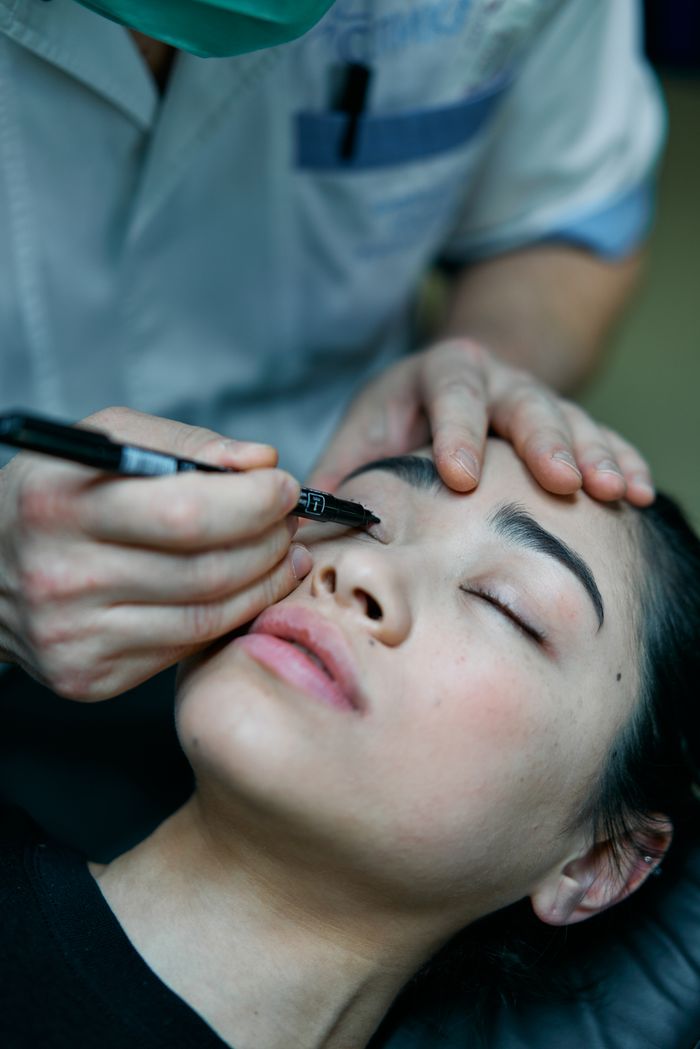
Plastic surgeon drawing precise upper-eyelid markings before surgeryUpper-lid marking: cottonbro studio / Pexels

Health, medicines and previous treatment

Disclose medical conditions, blood pressure, diabetes, thyroid disease, bleeding or clot history, medicines, supplements, nicotine, prior anaesthesia, Botox or filler, laser treatment and all eye, eyelid, brow or facial operations.

Ask how to share your history securely →
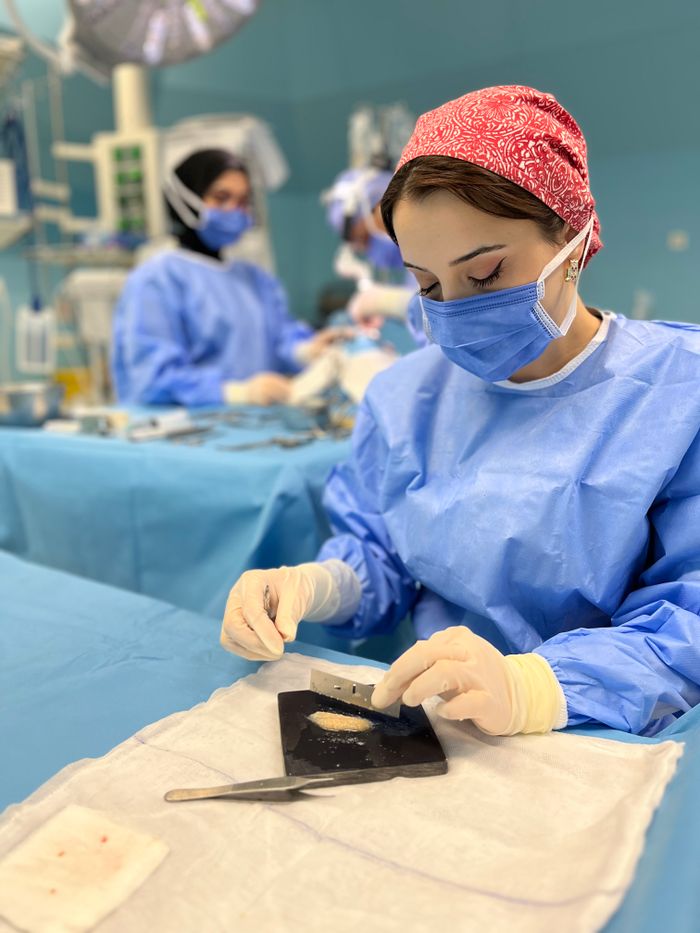
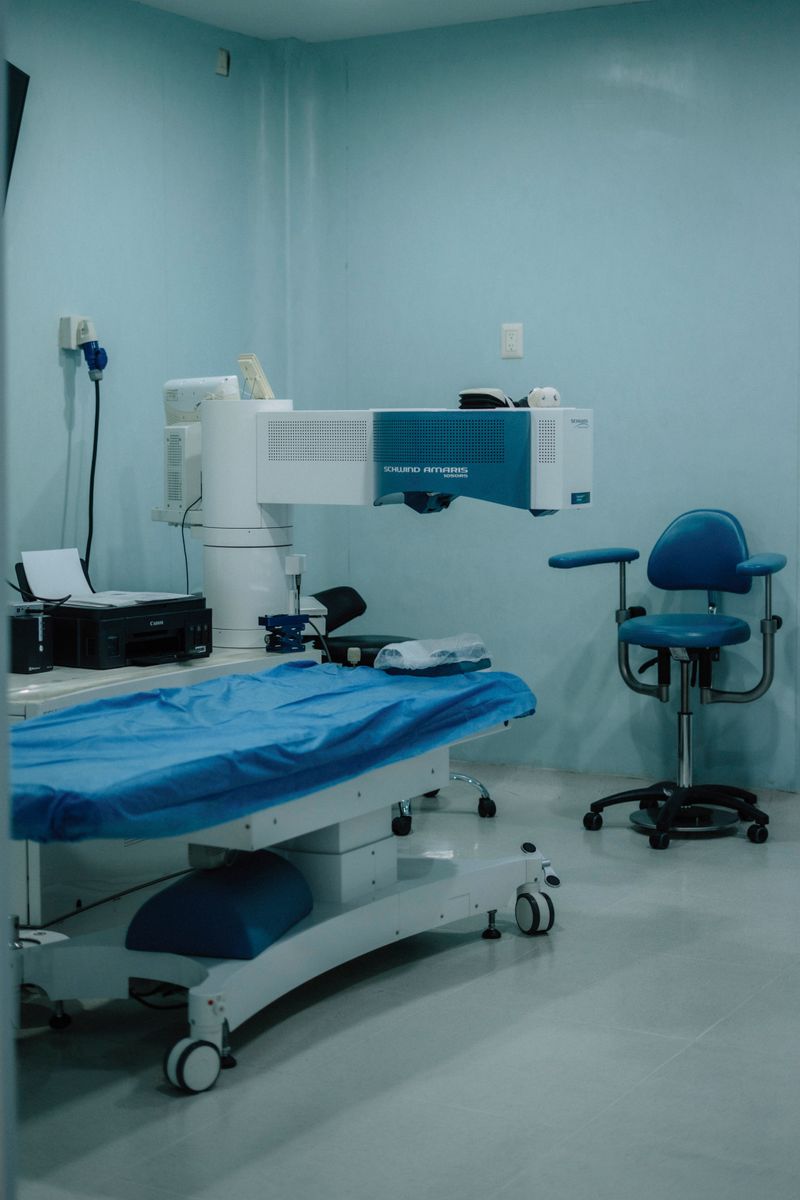
Surgeon preparing for an operation in a modern hospital operating roomSurgical preparation: Zeynep Özata / Pexels

Procedure, anaesthesia and support plan

Confirm upper and lower procedures separately, incision location, fat removal or repositioning, lower-lid support, anaesthesia, surgeon and hospital, eye lubrication, dressings, review timing and urgent eye-care access.

Request an itemised clinical plan →

When upper-lid skin may affect peripheral vision, ask what examination, photographs or formal visual-field testing is clinically indicated. A functional claim should be documented rather than assumed from appearance.

Incision choice follows anatomy

Upper crease, lower lash-line and transconjunctival approaches

The word “laser,” “scarless” or “fat-free” does not define a complete operation. Ask exactly where access is made and what happens to skin, muscle, fat and lid support.

Upper eyelid

Crease incision

The incision is generally placed within the planned upper-lid fold. A measured amount of skin and, when indicated, muscle or fat may be adjusted while protecting adequate tissue for closure and function.

Ask: how crease height, natural asymmetry and eye closure influence the design.

External lower-lid access

Subciliary incision

An incision just below the lower eyelashes can provide access to fat and permit selected skin adjustment. Lower-lid tone and support are important because retraction, lid lag or ectropion can occur.

Ask: skin-removal limits and whether canthal support is planned.

Internal lower-lid access

Transconjunctival incision

An incision inside the lower lid can address selected fat without an external skin incision. It does not tighten excess skin and is not “scarless” internally or risk-free.

Ask: whether skin, muscle or lower-lid support also needs treatment.

Contour and support

Fat repositioning and canthal procedures

Fat may be preserved or repositioned rather than simply removed. Canthopexy or canthoplasty may support or alter the outer lower lid in selected cases; these are separate steps with their own risks.

Ask: the exact fat and support strategy for each side.

More removal is not more rejuvenation. Excessive skin or fat removal can create hollowing, difficulty closing the eye, dryness or lower-lid malposition. Conservative planning must be matched to the individual anatomy and long-term function.
Similar appearance does not mean the same treatment

Blepharoplasty, ptosis repair, brow lift or non-surgical care?

These options address different structures. A patient may need one, a combination or no cosmetic surgery after examination.

Skin and selected fat

Upper blepharoplasty

Addresses measured upper-lid skin and selected tissue. It does not lift a low eyebrow or reliably repair a weak eyelid-lifting muscle.

Review: crease, closure, brow and true ptosis before skin removal.

Lower-lid contour

Lower blepharoplasty

Addresses selected fat bags, skin or contour with internal or external access. Lid tone, eye prominence, tear trough and cheek support influence the plan.

Review: retraction risk, support and what causes dark circles.

Lid-margin position

Ptosis repair

Repairs or advances the mechanism that raises an upper lid when the lid margin itself sits low. It has different measurements, functional goals, risks and symmetry considerations.

Review: levator function and whether both eyes require treatment.

Brow or surface concern

Brow lift, injectable or skin treatment

A brow lift changes brow position; toxin affects selected muscle activity; filler or fat may address hollowing; laser or peel may address selected skin quality. None replaces every blepharoplasty indication.

Review: separate risks and whether staging is appropriate.

From eye-health review to local follow-up

How eyelid surgery is commonly organised

The sequence is individualized. Surgery and flight dates should remain provisional until the treating team has reviewed your eyes, health, eyelids, medicines and travel risks.

01
Secure enquiryShare upper- or lower-lid concerns, eye symptoms, health and treatment history, and ask how requested photographs and records should be sent.
02
Clinical reviewA participating team reviews eye health, brow and lid position, skin, fat, lower-lid support and whether further testing is required.
03
Written planConfirm surgeon, hospital, each eyelid procedure, incision, fat strategy, support, anaesthesia, estimate and exclusions.
04
Surgery & reviewsComplete examination and consent, then follow the agreed operation, lubrication, compress, wound, suture and review plan.
05
Travel & follow-upFly only after clinical clearance and continue appearance, closure, comfort and vision follow-up after returning home.
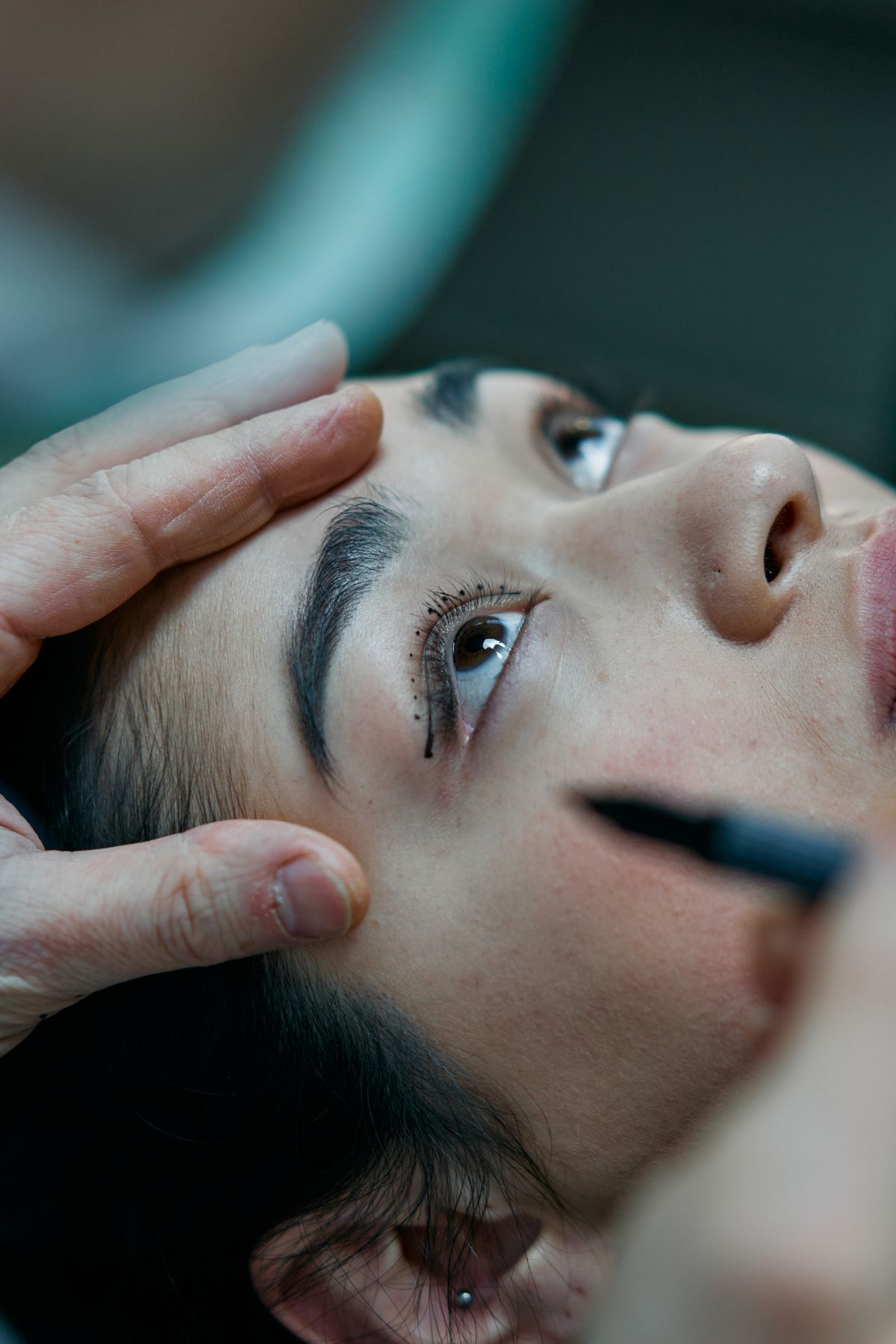
Patient undergoing final review of upper- and lower-eyelid markings before surgery
Preoperative eyelid review: cottonbro studio / Pexels
Plan around clinical review—not a sightseeing schedule.

Swelling, eye closure, dryness, vision, wounds, sutures, complications, combined procedures and flight duration all affect when it is safe to leave.

Plan Your Enquiry
The eye is more important than the eyelid photograph

Who may be considered—and what risks must be discussed

Suitability is individual. Eye disease, ocular-surface health, lid closure, lower-lid support, thyroid conditions, medicines, nicotine and expectations can change or prevent a cosmetic plan.

Eye and general health

Stable medical conditions, safe anaesthesia, adequate eye-surface protection, absence of untreated serious eye disease and no nicotine support planning.

Anatomy-led expectations

The concern matches tissue that surgery can address, with acceptance of scars, residual asymmetry, normal ageing and limits around dark circles and fine lines.

Recovery and urgent access

The plan includes adult support, eye medicines, reviews, activity restrictions, vision-warning education, fit-to-fly clearance and local emergency care.

Reasons to pause, optimize or reconsider

  • Untreated serious eye or eyelid disease
  • Significant dry eye or incomplete closure needing assessment
  • Active infection, allergy flare or uncontrolled swelling
  • Uncontrolled medical conditions or blood pressure
  • Smoking, vaping or other nicotine exposure
  • Medicines or supplements needing clinical review
  • Unrealistic or externally pressured expectations
  • No support, urgent eye-care access or follow-up plan
Core surgical risks

What informed consent should cover

  • Anaesthesia reactions; bleeding; infection; delayed healing; wound separation; cysts; visible, raised or asymmetric scars
  • Dry, irritated, watery or light-sensitive eyes; temporary blurred or double vision; difficulty closing the eyes; exposure injury to the ocular surface
  • Asymmetry, crease or contour irregularity, hollowing, persistent bags, dissatisfaction and need for revision
  • Lower-lid lag, retraction or ectropion; rounding or change at the outer corner; chemosis or prolonged conjunctival swelling
  • Change in eyelid or eyelash sensation, persistent pain, injury to eye muscles and problems related to fat repositioning or canthal support
  • Bleeding behind the eye, temporary or permanent vision change and a very rare risk of blindness; blood clots and other general surgical complications

Questions for the surgeon

01
Is this skin excess, ptosis or brow descent?Ask for the measured cause of upper-lid hooding and what each proposed procedure treats.
02
What protects eye closure and tear film?Confirm skin-removal limits, lubrication, dry-eye assessment and postoperative eye-surface care.
03
Does the lower lid need support?Ask about lid tone, eye prominence, canthopexy or canthoplasty and retraction risk.
04
How is a vision emergency handled?Confirm round-the-clock contact, immediate eye assessment, hospital access and responsibility for urgent treatment.
Seek emergency eye assessment immediately for sudden or worsening vision loss, severe eye or orbital pain, rapidly increasing one-sided swelling or tightness, a bulging eye, inability to move the eye normally, heavy bleeding, severe headache with eye symptoms, or any urgent warning specified by the surgical team. Also seek prompt care for fever, spreading redness, foul drainage, chest pain, shortness of breath or one-sided calf swelling. Do not wait for an online reply.
Named surgeon, specialty and branch before commitment

Eyelid care through our partner groups

VIPmedi works with a dedicated eye-hospital group and major multidisciplinary hospital groups in Turkey. Availability, treating specialty, surgeon, branch, eye testing and suitability must be confirmed for the individual enquiry.

Dünyagöz
Acıbadem logoAcıbadem
Memorial logoMemorial
Medical Park logoMedical Park
Medipol logoMedipol
Medicana

For an individual introduction, use the Contact Us page. Ask for the proposed clinician’s full name, specialty, branch, eyelid and eye-health assessment pathway, operation plan and urgent eye-care access before booking.

Compare procedures—not “two-lid” and “four-lid” labels

What affects the blepharoplasty cost

There is no responsible universal price without examination and a complete plan. Similar package names may involve very different upper-lid, lower-lid, support, eye-test and anaesthesia arrangements.

Upper, lower or combined surgeryEach treated lid, asymmetry, skin and muscle plan, external or internal access, expected complexity and operating time
Fat and contour strategyRemoval, preservation or repositioning; tear-trough transition; previous filler; scarring and whether another contour treatment is proposed
Lower-lid supportLid laxity, eye prominence, canthopexy, canthoplasty, spacer or other reconstructive support and postoperative monitoring
Additional procedures and testsPtosis repair, brow lift, eye examination, tear-film or visual-field testing, laser or another separately consented treatment
Surgeon, anaesthesia and hospitalNamed clinician and branch, anaesthetist, local anaesthesia or sedation/general anaesthesia, theatre, tests, monitoring and admission
Medicines, reviews and travelDrops or ointment, compresses, dressings, suture reviews, hotel, transfers, language support, extra nights, urgent care and exclusions
Ask for one itemised written estimate. It should name the clinician, anaesthetist and hospital branch; each upper and lower eyelid procedure; incision, skin, fat and support plan; eye tests; anaesthesia; medicines; reviews; travel services; exclusions; emergency eye-care access and revision policy.
Appearance and eye comfort recover at different rates

Bruising, dryness, closure, scars and follow-up

Swelling, bruising, irritation, watery or dry eyes, light sensitivity, temporary blur from ointment and tightness can occur. Recovery cannot be judged only by when sutures are removed.

01Immediately after

Protect the eyes and incisions

Use prescribed ointment, drops, cool compresses, gauze or dressings and head elevation exactly as instructed. Arrange adult support and do not drive.

02Early recovery

Monitor vision and closure

Attend planned wound and suture reviews. Avoid rubbing, contact lenses, smoke, unapproved medicines, strenuous activity and anything the team says could increase bleeding.

03Following weeks

Resume activity gradually

Driving, work, makeup, contact lenses, exercise, swimming and flying require individual clearance based on vision, comfort, swelling and healing.

04Following months

Allow scars and lids to settle

Incisions, firmness, sensation and asymmetry continue maturing. Use the advised sun and wind protection and keep local and Turkey follow-up.

Sun and wind protection matter. Sunglasses and the surgeon’s scar-care advice can protect healing tissue. Do not put non-approved creams, makeup, drops or contact lenses on or near the eyes during early recovery.
Leave with a complete care record. Request operation and anaesthesia notes, exact upper and lower procedures, eye-test results, medicines, lubrication and compress instructions, suture plan, activity restrictions, fit-to-fly guidance, emergency contacts and a clear pathway for any visual symptoms.
Quick answers

Blepharoplasty in Turkey FAQs

How do I start a blepharoplasty enquiry?

Use the Contact Us page to describe upper- or lower-lid concerns, eye symptoms, relevant health conditions, medicines and supplements, smoking or nicotine use, contact lenses, previous eye or facial surgery and recent filler, toxin or laser treatment. Ask how photographs and records should be shared securely.

What is the difference between upper and lower blepharoplasty?

Upper blepharoplasty commonly addresses measured upper-lid skin and selected fat through a crease incision. Lower blepharoplasty addresses selected bags, skin, fat transition and support through an external lash-line or internal transconjunctival approach. They are separate operations and may not both be appropriate.

Will blepharoplasty remove dark circles and under-eye bags?

It may improve bags caused by protruding fat and selected skin laxity, but “dark circles” can also result from pigmentation, visible vessels, shadow from hollowing, cheek descent or fluid-prone festoons. Ask the surgeon to identify which components surgery will and will not change.

Is upper-eyelid hooding the same as ptosis?

No. Hooding may involve excess skin or a low brow. Ptosis means the upper-lid margin itself is low because the lifting mechanism is affected. Ptosis repair is a different procedure with specific measurements, functional goals and risks.

Do I need a brow lift instead of eyelid surgery?

Only an examination can determine the contribution of brow descent, forehead skin, eyelid skin and true ptosis. Removing more upper-lid skin does not substitute for correcting a low brow and can increase eye-closure or aesthetic problems when the cause is misidentified.

Is transconjunctival lower blepharoplasty scarless?

It avoids an external skin incision by using an incision inside the lower eyelid, but internal tissue still heals and complications remain possible. It does not remove external skin excess. Ask whether skin, muscle, fat and lower-lid support can be addressed appropriately through the proposed access.

Is under-eye fat removed or repositioned?

Fat may be conservatively removed, preserved or repositioned to smooth selected lid-cheek transitions. The choice depends on bags, hollowing, cheek support, previous treatment and long-term contour. Excessive removal can contribute to a hollow appearance.

What are canthopexy and canthoplasty?

They are procedures involving support or reconstruction at the outer lower eyelid. They may be proposed when lid tone, eye prominence, previous surgery or planned skin removal increases malposition risk. They can also change eye-corner position or shape and require separate consent.

Can I have blepharoplasty if I have dry eyes or wear contact lenses?

Dry eye and contact-lens use must be disclosed and assessed. Eyelid surgery can temporarily or persistently worsen dryness or exposure, especially if closure is affected. The treating team determines whether eye-health evaluation, treatment, postponement or a modified operation is appropriate.

Can upper blepharoplasty improve peripheral vision?

It may improve a documented visual-field obstruction caused by upper-lid skin in selected patients. Brow descent and ptosis can also affect the field. Ask what examination, standardized photographs or visual-field testing is needed to identify the responsible structure.

What anaesthesia is used for eyelid surgery?

Local anaesthesia, local anaesthesia with sedation or general anaesthesia may be proposed depending on upper or lower procedures, combinations, health, anxiety, surgeon-anaesthetist planning and facility. Confirm who administers sedation or anaesthesia and what monitoring is used.

How painful is recovery, and how long do swelling and dryness last?

Discomfort, bruising, swelling, tightness, irritation, watering, dryness, light sensitivity and temporary blur vary. Some symptoms improve over days or weeks, while scars and residual swelling mature longer. Use only the prescribed drops, ointment, compresses and pain relief.

How long should I stay in Turkey, and when can I fly?

The treating surgeon determines this from eye health, closure, vision, swelling, bleeding risk, wounds, sutures, anaesthesia, combined procedures, reviews and flight duration. Do not use a generic package timetable; remain for the required examinations and fly only when individually cleared.

Where are the scars, and how long do results last?

Upper scars usually lie in the planned crease; external lower-lid scars are placed close to the eyelashes and may extend laterally. Transconjunctival access has no external skin incision. Scars fade differently and natural ageing continues; perfect symmetry and invisible scars cannot be guaranteed.

What should my written estimate and treatment records include?

Confirm the named clinician, anaesthetist, hospital and branch; each upper and lower procedure; incision; skin, fat and support plan; ptosis or brow treatment; eye tests; anaesthesia; medicines; suture reviews; travel services; exclusions; emergency eye-care access and revision policy. Request operation and anaesthesia records before departure. Contact VIPmedi for an individual enquiry.

Take the next step

Let’s discuss eyelid surgery in Turkey

Tell us whether your concern involves the upper lids, lower lids or both, any eye symptoms, relevant health and treatment history and when you hope to travel. VIPmedi can help coordinate the next appropriate enquiry with a participating partner hospital.

Contact VIPmedi Email: [email protected]

Use the contact page for your initial enquiry. Avoid sending identity documents or full medical records in the first message; ask how requested information should be shared securely.