Specialist assessment. Treatment matched to the diagnosis.

Eye Treatments in Turkey

Explore vision correction, cataract surgery, retinal care, glaucoma treatment, corneal services, and other ophthalmology options through VIPmedi’s partner network.

Eye symptoms can have very different causes. VIPmedi helps coordinate your enquiry with an appropriate partner hospital, while the treating ophthalmologist determines the diagnosis, suitability, and treatment plan.

Comprehensive examinationRelevant eye specialistFollow-up planning

No procedure can be selected safely from a prescription, diagnosis name, or online advertisement alone. Final recommendations require clinical examination and appropriate eye measurements.

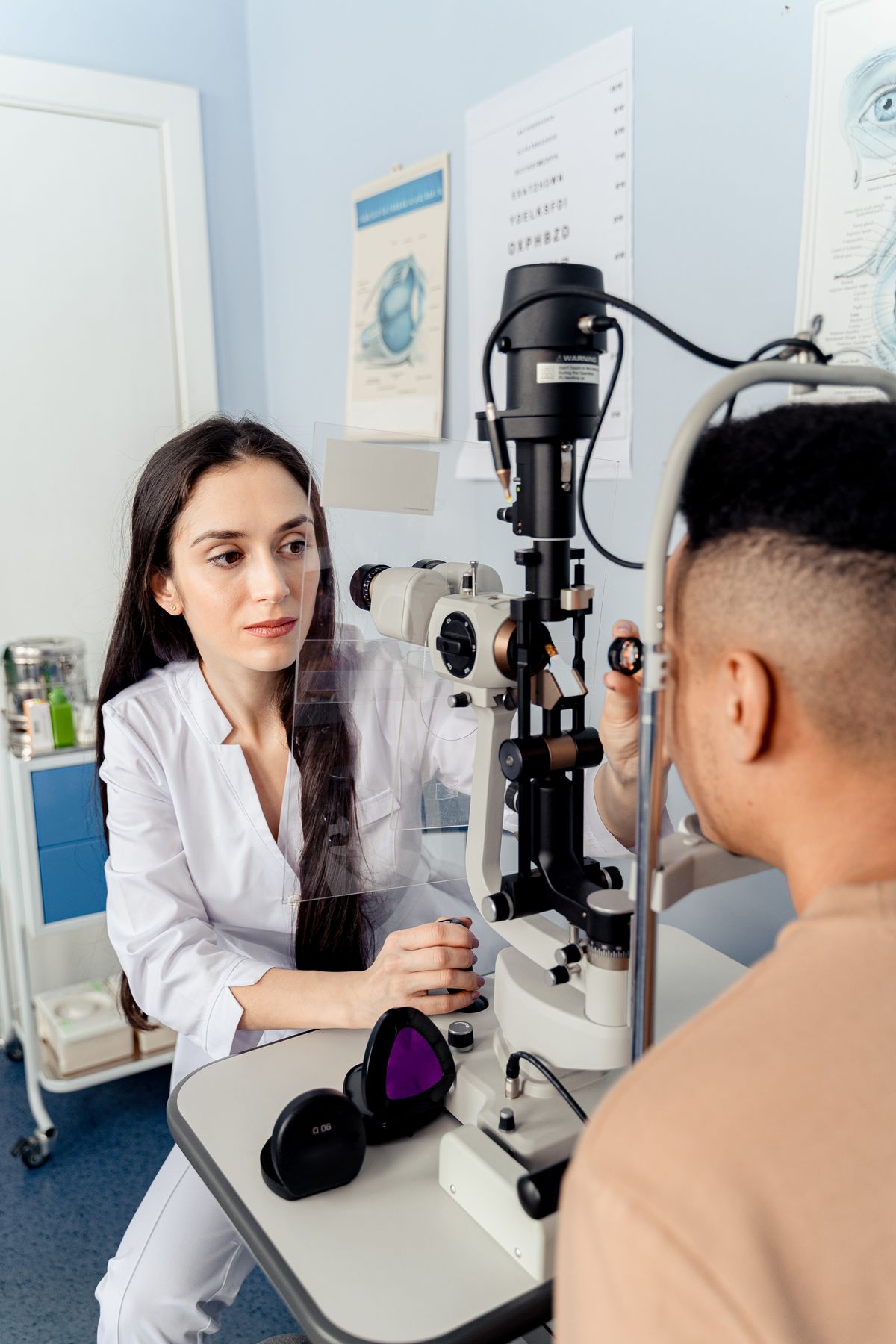
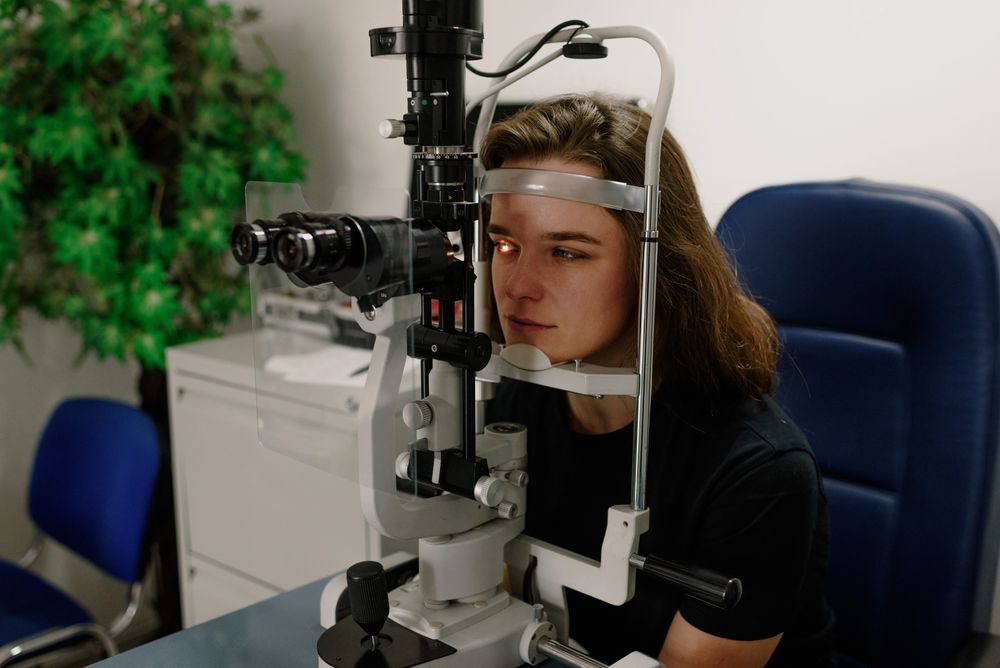
Eye-care professional examining a patient with a slit lamp
Detailed eye examinationReal ophthalmology photography by Antoni Shkraba / Pexels. Image is illustrative and does not depict a VIPmedi partner or patient.
Smiling woman wearing eyeglasses outdoors in Fatih, Istanbul
Istanbul portrait: Yusuf Çelik / Pexels
One specialty, many subspecialties

Begin with the eye problem

Some people want less dependence on glasses. Others need treatment for a cloudy lens, high eye pressure, retinal disease, corneal damage, eyelid problems, or a child’s visual development.

The appropriate ophthalmologist may be a cornea and refractive surgeon, cataract specialist, retinal specialist, glaucoma specialist, paediatric ophthalmologist, neuro-ophthalmologist, or oculoplastic surgeon.

Bring previous examination results, scans, operation reports, current glasses prescription, medicine list, and details of any eye injections, laser treatment, trauma, or surgery.


Eye-care pathways

Treatment areas across ophthalmology

These categories help route your enquiry. Availability, urgency, tests, and treatment are confirmed for your individual case.

Laser Vision Correction

LASIK, PRK or surface treatment, and SMILE may be considered for selected prescriptions and healthy eyes. Corneal shape, thickness, stability, dryness, age, and lifestyle affect suitability.

Discuss vision correction →

Cataract & Lens Surgery

Cataract surgery replaces a cloudy natural lens with an artificial intraocular lens. Lens choice depends on eye health, measurements, visual priorities, and acceptable optical trade-offs.

Ask about cataract care →

Cornea & Ocular Surface

Services may address keratoconus, corneal scars, infections, dystrophies, dry eye, pterygium, and other surface conditions. Treatment ranges from medicines and lenses to cross-linking or transplantation.

Discuss corneal care →

This is not a complete list. Neuro-ophthalmology, uveitis, ocular oncology, genetic eye disease, trauma, and complex revision care may require additional specialists or hospital departments.

For people considering less dependence on glasses

Compare vision-correction approaches

The safest option may be a laser procedure, an implanted lens, continued glasses or contact lenses—or no treatment at present.

Corneal flap

LASIK

How it works: a flap is created and the underlying cornea is reshaped with a laser.

Discuss: corneal thickness and shape, dry eye, flap risks, night vision, prescription stability, and future reading vision.

Corneal surface

PRK / Surface Laser

How it works: the corneal surface layer is removed or moved and the cornea is reshaped without a LASIK flap.

Discuss: early discomfort, slower visual recovery, haze risk, healing, and whether it better fits your cornea or activities.

Small incision

SMILE

How it works: a laser creates a small piece of corneal tissue that is removed through a small incision.

Discuss: approved prescription range, corneal suitability, dry-eye considerations, enhancement options, and surgeon experience.

Inside the eye

ICL or Lens-Based Surgery

How it works: a phakic lens is added without removing the natural lens, or the natural lens is replaced in selected cases.

Discuss: internal-eye risks, measurements, lens model, pressure, cataract risk, retinal health, near vision, and long-term monitoring.

No procedure guarantees “perfect vision.” You may still need glasses, experience glare or halos, require treatment for dry eye, or need further care. Ageing and eye disease continue after refractive treatment.
Measurements before recommendations

The examination decides what comes next

Tests are chosen for the symptoms and proposed treatment. Not every patient needs every test, and a single machine result is not a diagnosis.

01

Vision & refraction

Measures how clearly each eye sees and which lens correction improves vision.

02

Slit-lamp examination

Examines the front and internal structures of the eye under magnification.

03

Eye pressure

Supports glaucoma assessment but is interpreted with the optic nerve and other findings.

04

Corneal mapping

Shape and thickness measurements help assess refractive surgery and corneal conditions.

05

Retinal imaging

Photography, OCT, ultrasound, or angiography may be used according to the condition.

06

Lens calculations

Measurements support intraocular-lens selection for cataract or lens-based surgery.

Cornea & refractiveLaser correction, keratoconus, corneal disease, transplantation, and ocular surface.
RetinaMacula, diabetic eye disease, tears, detachment, injections, laser, and vitreous surgery.
GlaucomaOptic-nerve assessment, pressure control, laser, drainage procedures, and monitoring.
Paediatric & strabismusVisual development, squint, amblyopia, childhood cataract, and related surgery.
Some eye symptoms cannot wait

Know when to seek urgent local care

A contact form is not an emergency service. Sudden symptoms require assessment where you are, even if you are planning treatment in Turkey.

Sudden vision changes

Seek urgent assessment for sudden loss or blurring of vision, a dark curtain or shadow, new flashes, a sudden shower of floaters, new double vision, or a missing area of vision.

Pain, injury, or severe inflammation

Seek urgent care for severe eye pain, chemical exposure, penetrating injury, sudden redness with reduced vision, marked light sensitivity, nausea with eye pain, or symptoms after surgery that are worsening.

Our hospital network

Eye care through our partner groups

VIPmedi works with Dünyagöz, Acıbadem, Memorial, Medical Park, Medipol, and Medicana. These include dedicated eye hospitals and hospital groups with ophthalmology services.

Dünyagöz
Acıbadem logoAcıbadem
Memorial logoMemorial
Medical Park logoMedical Park
Medipol logoMedipol
Medicana

The hospital, branch, affiliated brand, ophthalmologist, subspecialty, tests, device or lens, and treatment availability are confirmed for your case. Not every branch provides every procedure or manages every complex condition.

Your visit to Turkey

From initial enquiry to ongoing eye care

01Contact VIPmediShare the diagnosis or symptoms, records, previous treatment, and travel period.
02Route the caseWe coordinate with a relevant partner, branch, and ophthalmology service.
03Prepare the visitConfirm appointments, requested tests, estimate, records, and travel arrangements.
04Examine & decideMeet the ophthalmologist, review results, alternatives, risks, and consent.
05Review & follow upComplete early checks and leave with records, medicines, and a home-care plan.
Do not book the tightest possible itinerary. Dilated examinations can temporarily blur vision and increase light sensitivity. Surgery, injections, or laser treatment may require additional reviews or a changed travel date. Follow the ophthalmologist’s advice about flying and driving.
Clear treatment information

What affects the eye-treatment cost

Cost varies with the diagnosis, specialist, hospital, examinations, eye or eyes treated, procedure, device or lens, anaesthesia, medicines, complexity, and follow-up.

Named specialistRelevant ophthalmology subspecialty and responsible surgeon
ExaminationsConsultation, imaging, measurements, laboratory tests, and repeat testing
Exact treatmentEye treated, technique, laser or surgery, anaesthesia, and facility
Lens or deviceManufacturer, model, optical design, and quantity where applicable
Medicines & reviewsEye drops, protective items, early checks, and additional visits
Travel & later careOnly documented services, exclusions, complications, and home follow-up
For cataract or lens surgery, “premium lens” is not a complete description. Ask for the exact manufacturer and model, intended focusing range, optical trade-offs, remaining need for glasses, and what happens if the lens does not meet your visual expectations.
Recovery & continuity

Protect the result with planned follow-up

A laser procedure, cataract operation, retinal injection, and glaucoma surgery have very different follow-up needs. Use the treating team’s schedule rather than a generic online timeline.

01Before discharge

Understand instructions

Review eye drops, shields, hygiene, activity, warning signs, emergency contacts, and the first appointment.

02Early checks

Confirm healing

Attend scheduled examinations even if vision feels good. Pressure, inflammation, infection, or retinal problems may need examination.

03Return home

Carry your records

Keep the diagnosis, operation note, scan results, lens or device details, medicine list, and follow-up schedule.

04Long term

Continue eye care

Ageing, glaucoma, retinal disease, dry eye, cataract changes, and prescription changes may continue after treatment.

After eye treatment, seek urgent assessment for worsening or severe pain, sudden loss or reduction of vision, increasing redness, pus, marked light sensitivity, nausea with eye pain, a new curtain or shadow, flashes, or a sudden increase in floaters. Do not wait for an email or contact-form reply.
Quick answers

Eye-treatment FAQs

How do I start an eye-treatment enquiry?

Use the Contact Us page to describe your diagnosis or symptoms, previous eye treatment, current medicines, and preferred travel period. Ask how requested records and scans should be shared securely.

Which eye specialist do I need?

It depends on the problem. Corneal, retinal, glaucoma, cataract, paediatric, neuro-ophthalmology, and oculoplastic care involve different expertise. VIPmedi can coordinate initial routing, while the hospital confirms the appropriate ophthalmologist.

Can a treatment plan be confirmed from my glasses prescription?

No. A prescription does not show corneal shape, thickness, dryness, lens clarity, eye pressure, optic-nerve condition, retinal health, or other factors needed for diagnosis and surgical planning.

What is the difference between LASIK, PRK, and SMILE?

LASIK reshapes the cornea beneath a flap, PRK or surface laser reshapes it after removing or moving the surface layer, and SMILE removes laser-created tissue through a small incision. Suitability, recovery, risks, and enhancement options differ.

Can laser eye surgery guarantee 20/20 vision?

No. You may still need glasses, experience dry eye or night-vision symptoms, or require additional treatment. Prescription, age, cornea, healing, and other eye conditions affect the result.

What if I am unsuitable for LASIK?

Depending on the reason, alternatives may include PRK, SMILE, a phakic lens such as ICL, lens-based surgery, continued glasses or contact lenses, or no procedure. Unsuitability for one option does not automatically make another safe.

What happens during cataract surgery?

The cloudy natural lens is removed and replaced with an artificial intraocular lens. Measurements help select lens power and design. The surgeon should explain expected vision, remaining need for glasses, risks, and follow-up.

Which cataract lens is best?

There is no single best lens. Monofocal, toric, multifocal, extended-depth-of-focus, and other designs have different focusing ranges and optical trade-offs. Eye health, astigmatism, work, night driving, and expectations matter.

Can glaucoma treatment restore lost vision?

Usually, treatment aims to reduce the risk of further optic-nerve damage rather than restore established loss. Pressure targets, medicines, laser, surgery, and monitoring are individualised.

Are flashes and floaters an emergency?

New flashes, a sudden increase in floaters, or a curtain or shadow can indicate a retinal tear or detachment and need urgent examination. Do not wait for a planned trip or an online reply.

How long should I stay in Turkey?

The ophthalmologist determines the schedule from your condition, treatment, and required reviews. Keep travel flexible. A dilated examination, changed diagnosis, slow healing, or complication can extend the visit.

Can I fly after eye surgery?

Ask the treating ophthalmologist. Some retinal operations use a gas bubble, and flying or travelling to altitude with intraocular gas can be dangerous. Other procedures also require individual clearance based on pressure and healing.

What records should I take home?

Request the diagnosis, examination and scan results, operation or procedure note, lens or device details, medicine list, discharge summary, warning signs, emergency contact, and follow-up schedule.

What should my written estimate include?

Confirm the specialist, hospital, tests, eye or eyes treated, exact procedure, lens or device, anaesthesia, medicines, reviews, travel services, exclusions, and complication arrangements. Contact VIPmedi for an individual enquiry.

Take the next step

Let’s discuss eye treatment in Turkey

Tell us your diagnosis or main concern, what treatment you have already received, and when you hope to travel. VIPmedi can help coordinate the next appropriate hospital enquiry.

Contact VIPmedi Email: [email protected]

Use the contact page for your initial enquiry. For sudden eye symptoms or an emergency, seek immediate local medical care rather than waiting for a response.