Stable, treatable refraction
Confirm recent prescription stability, accurate manifest and cycloplegic refraction when indicated, and whether myopia, hyperopia and astigmatism fall within the chosen platform’s approved range.


Explore LASIK with a surgeon-led candidacy examination, stable refraction, corneal mapping and thickness, dry-eye and pupil assessment, a direct LASIK-versus-PRK/SMILE/ICL decision and planned follow-up before travelling home.
LASIK creates a thin corneal flap, reshapes the underlying corneal tissue with an excimer laser and repositions the flap. The goal is to reduce dependence on glasses or contact lenses—not to guarantee perfect vision or prevent future age-related eye change.
Final eligibility, laser platform and treatment profile, one- or two-eye timing, drops, recovery, driving and travel clearance require assessment by the treating refractive surgeon.
LASIK changes corneal curvature so light focuses more accurately on the retina. It may be used for selected myopia, hyperopia and astigmatism within the treatment range of the approved laser platform and the safe limits of the individual cornea.
The procedure does not treat every cause of blurred vision. Cataract, keratoconus, retinal disease, optic-nerve disease, amblyopia and significant ocular-surface disease need their own diagnosis and management. A clearer glasses prescription does not prove that LASIK is safe.
LASIK cannot stop presbyopia—the age-related loss of near focusing—or guarantee lifelong freedom from glasses. Prescription change, regression, dry eye, cataract and other eye conditions can affect vision later.
The refractive surgeon should interpret every measurement together. A normal-looking result on one test cannot cancel concern found elsewhere.
Confirm recent prescription stability, accurate manifest and cycloplegic refraction when indicated, and whether myopia, hyperopia and astigmatism fall within the chosen platform’s approved range.
Topography or tomography, thickness and tissue calculations should identify irregularity, keratoconus or ectasia risk and whether enough structurally safe cornea would remain.
Dry-eye symptoms, tear stability, lid and meibomian-gland health, allergy, inflammation and contact-lens effects should be treated or stabilised before measurements and surgery.
Dim-light pupil size, existing glare or halos, higher-order aberrations, night-driving needs and contrast expectations may influence counselling and treatment planning.
Examine the cornea, lens, eye pressure, retina and optic nerve and investigate amblyopia, cataract, glaucoma, retinal disease or previous eye surgery that may limit benefit or change risk.
Review pregnancy or breastfeeding, autoimmune or healing conditions, diabetes control, medicines, age, occupation, contact sports and willingness to accept residual glasses or enhancement.
Contact lenses can alter corneal measurements. Follow the clinic’s lens-discontinuation instructions and repeat inconsistent tests rather than rushing to the laser room.
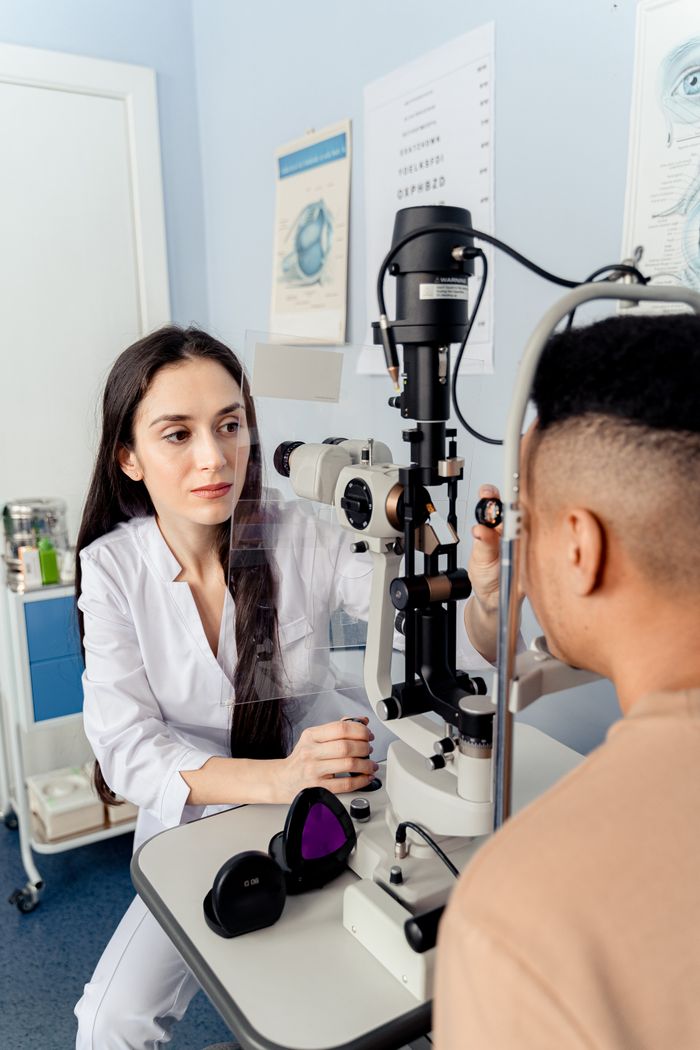 Slit-lamp examination: Antoni Shkraba / Pexels
Measure uncorrected and best-corrected vision, refraction, eye dominance and pressure; examine the front and back of the eyes and review previous prescriptions and contact-lens history.
Ask how to share eye records securely →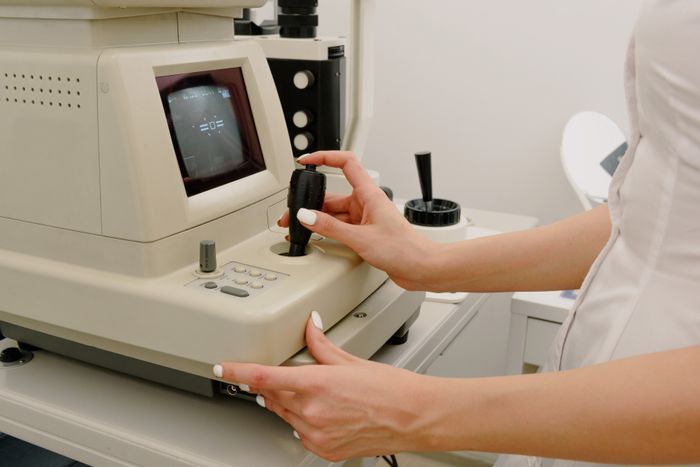 Corneal diagnostic technology: Ksenia Chernaya / Pexels
Topography or tomography, pachymetry and surgeon-reviewed tissue calculations assess curvature, symmetry, elevation and the structural reserve after flap and laser treatment.
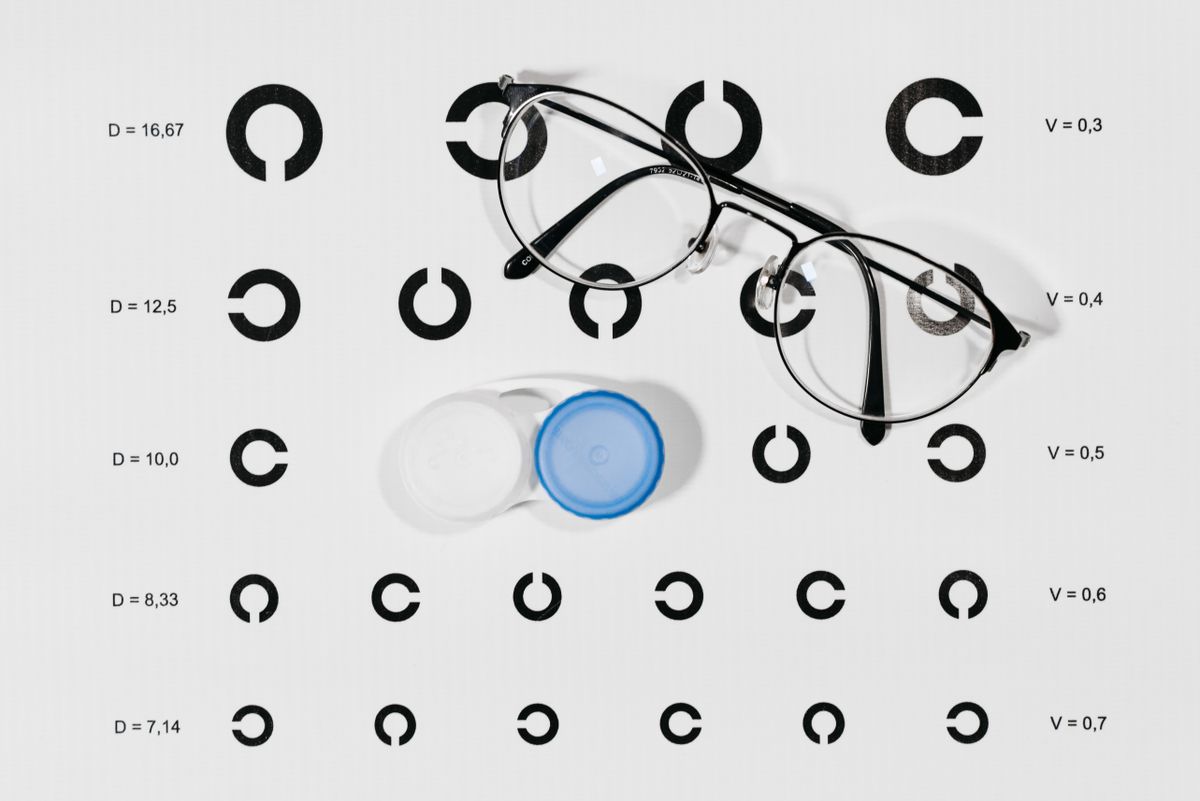
Ask which corneal tests are included →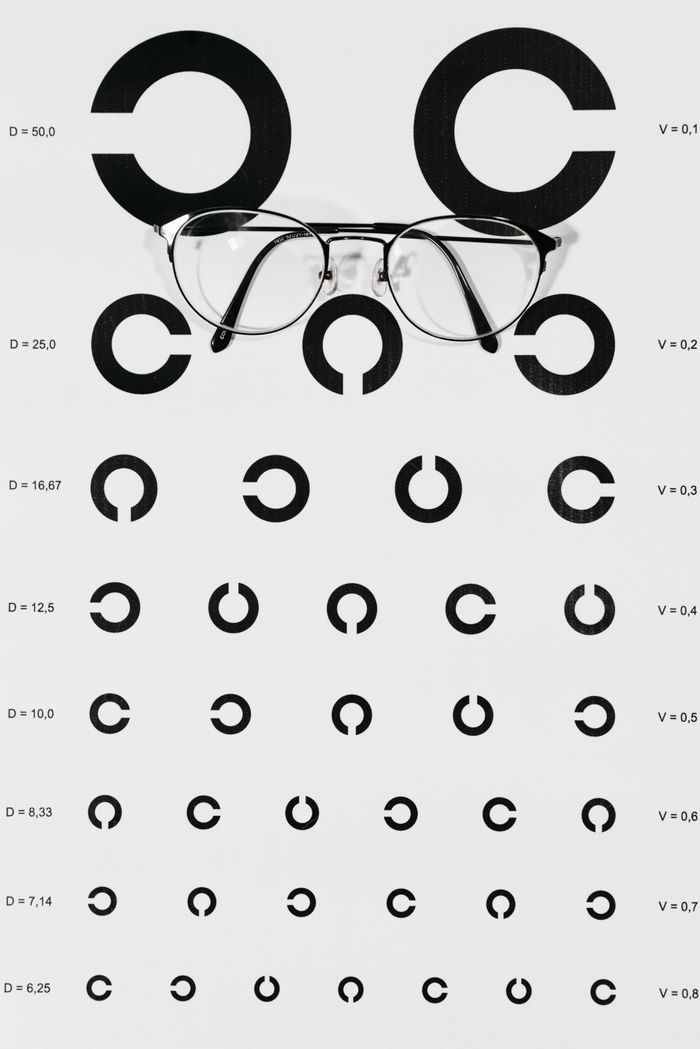 Visual-acuity assessment: Pavel Danilyuk / Pexels
Evaluate pupils in appropriate lighting, night-vision symptoms, corneal and total-eye aberrations when relevant and whether the proposed optical zone and profile match the eye.
Describe night-driving needs and symptoms → Detailed eye examination: Ksenia Chernaya / Pexels
Assess tears, lids and corneal surface; review alternatives, target refraction, presbyopia and monovision, one- or two-eye timing, laser platform, flap method, drops and follow-up.
Request an individual treatment plan →Screening by a salesperson, online questionnaire or autorefraction alone is not a LASIK suitability examination. The operating ophthalmologist should review the diagnostic data and consent discussion.
Exact steps and technology vary. LASIK is usually performed with anaesthetic eye drops while the patient is awake and follows fixation instructions.
The team repeats safety checks, cleans the eyelids, uses anaesthetic drops and holds the lids open. The laser data and intended correction must match the consented eye.
Confirm: surgeon, platform and treatment profile.
A femtosecond laser or mechanical microkeratome creates the flap. Temporary pressure, dimming of vision and unusual sensations may occur during this stage.
Confirm: flap method and tissue calculation.
The flap is lifted and the excimer laser removes a programmed amount of underlying corneal tissue. Tracking and registration features vary by platform.
Confirm: approved range, optical zone and target.
The surgeon returns the flap to position, checks alignment and the eye surface and applies postoperative drops. The flap is not normally secured with stitches.
Confirm: shield, drops and first review.

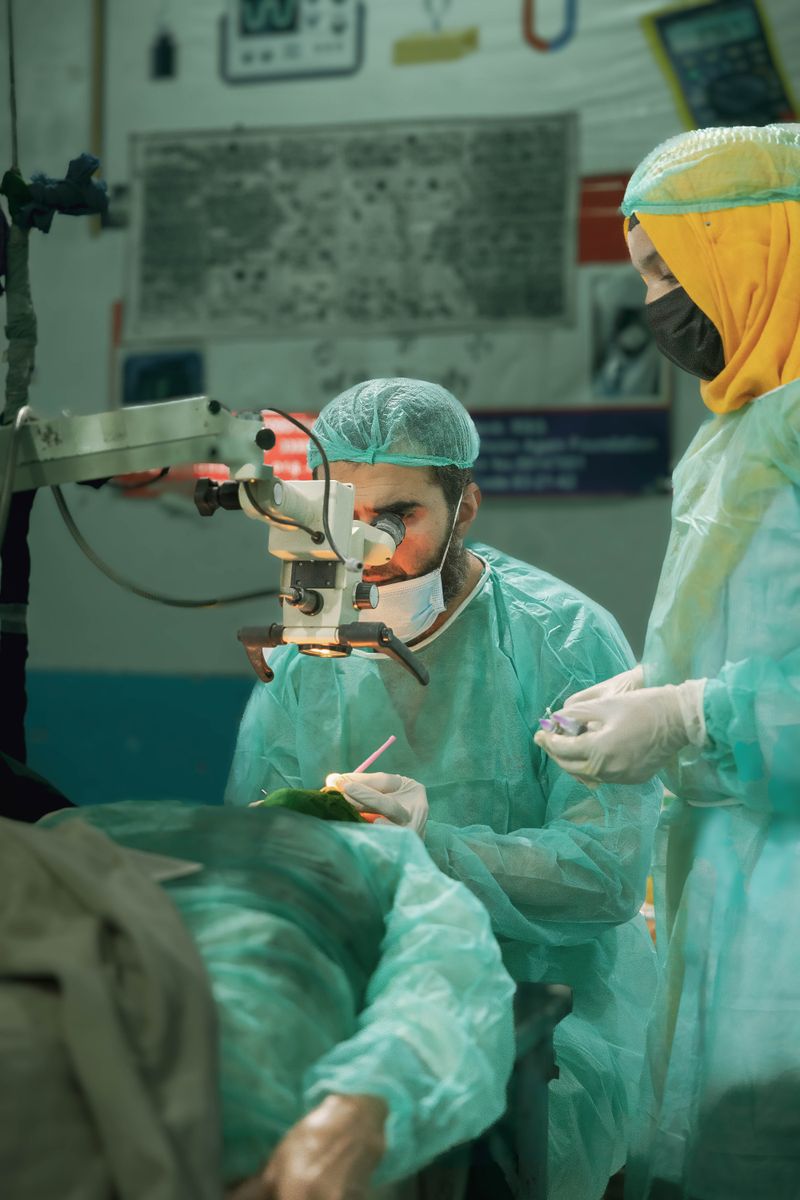
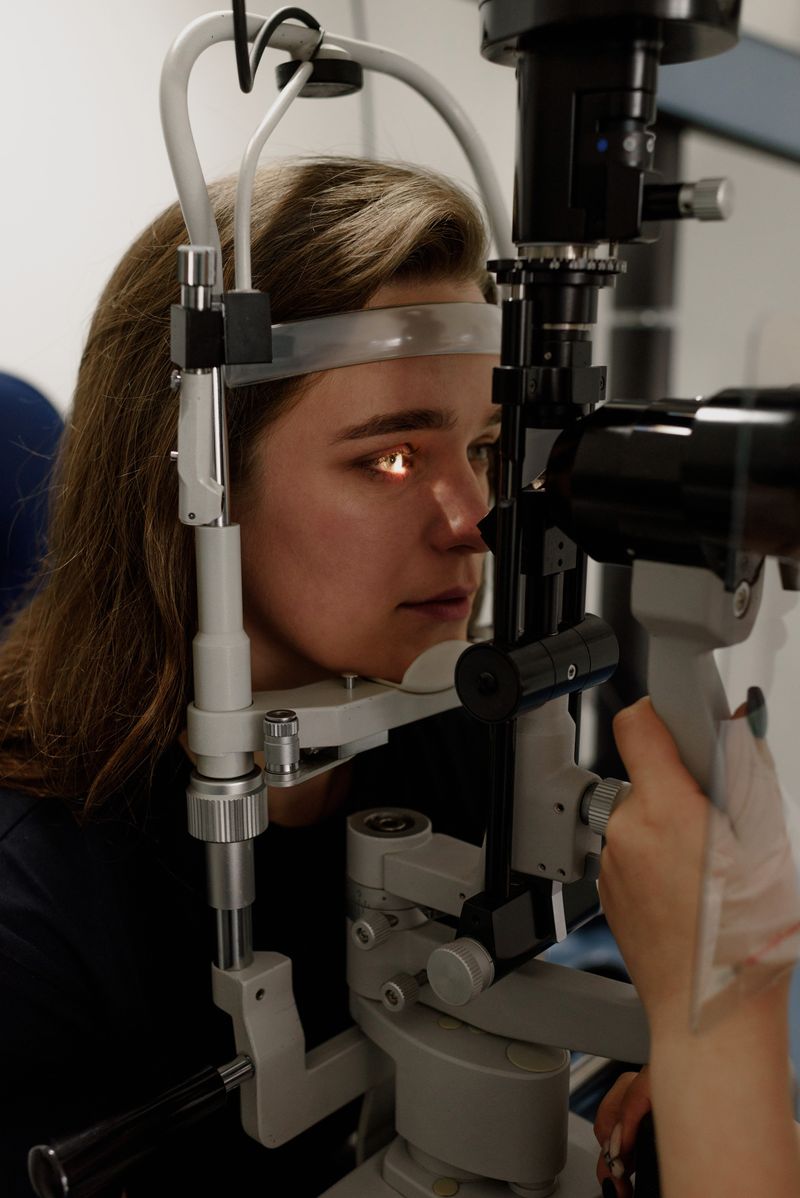
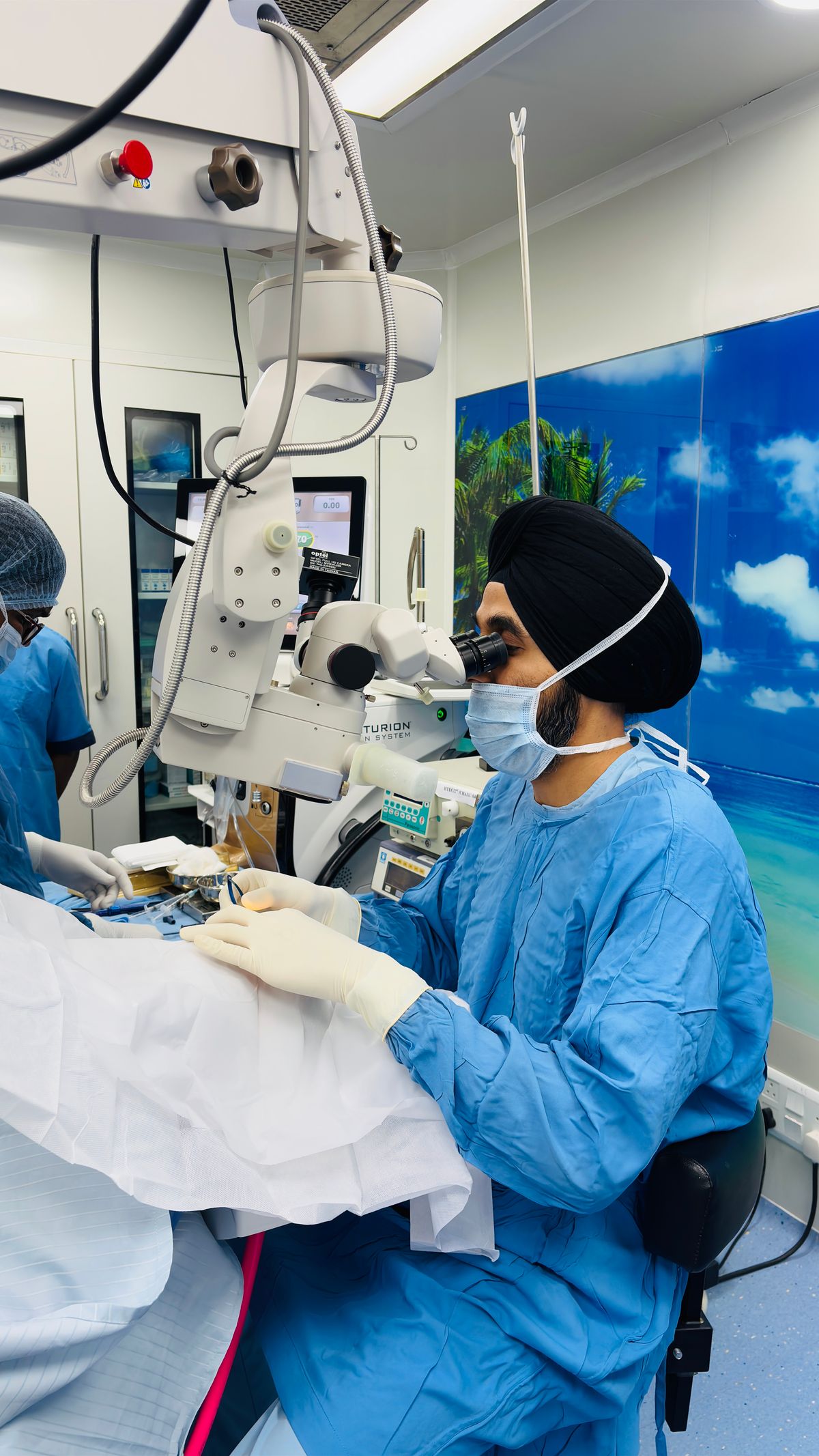
The gallery uses real eye-care and ophthalmic-procedure photography, including an authentic LASIK treatment-room image. It does not depict VIPmedi cases or promised results.
Recovery speed is only one consideration. Corneal shape and thickness, prescription, dry eye, age, presbyopia, lifestyle and the surgeon’s assessment determine which option—if any—is reasonable.
A corneal flap is created and the tissue underneath is reshaped. Visual recovery is often relatively quick, but flap, dry-eye, tissue-strength and night-vision considerations remain.
Discuss: flap method, corneal reserve and long-term flap precautions.
Surface epithelium is removed or displaced and an excimer laser reshapes the cornea. Initial discomfort and visual recovery are usually longer; haze prevention and medication adherence matter.
Discuss: healing, bandage lens and corneal haze risk.
A femtosecond laser creates a small piece of tissue within the cornea that is removed through an incision. Prescription availability, centration, enhancement strategy and surgeon experience require review.
Discuss: approved correction range and enhancement pathway.
An implantable lens may be considered when corneal laser treatment is unsuitable or a higher correction is involved. It is intraocular surgery with a different risk profile and follow-up.
Discuss: eye dimensions, endothelial health, pressure and lens removal.
Glasses or well-managed contact lenses may be preferable when measurements are unstable, anatomy is unsuitable, eye-surface disease is active or expected benefit does not justify risk. A second opinion is reasonable when advice conflicts or feels rushed.
Online information can support preliminary planning, but the final recommendation must follow an in-person eye examination with reproducible measurements.

Do not drive until the treating team confirms that vision meets the applicable standard and you feel safe. Remain for the required early postoperative review, keep urgent eye care accessible and fly only when the surgeon confirms that recovery is stable. There is no universal fit-to-fly timetable.
Likelihood and significance vary by eye and procedure. Ask the operating surgeon to explain personal risk, alternatives and what can—and cannot—be corrected if the result is unsatisfactory.
Burning, grittiness, fluctuating vision and increased dependence on lubricants can occur. Symptoms may persist, and pre-existing ocular-surface disease may worsen.
Night glare, starbursts, ghost images or reduced contrast may affect driving and low-light tasks even when an eye-chart result appears good.
Under-correction, over-correction, astigmatism or later prescription change can leave a need for glasses, contact lenses or an enhancement that may not be possible.
Displacement, wrinkles, interface debris, epithelial ingrowth or inflammation can affect healing and may require repositioning, medication or another procedure.
Microbial keratitis and significant inflammation are uncommon but potentially sight-threatening. Prompt recognition and specialist treatment matter.
Progressive ectasia, irregular astigmatism or scarring can reduce visual quality. Rarely, best-corrected vision can be lost and additional treatment may be required.
VIPmedi can coordinate enquiries with participating ophthalmology and refractive-surgery teams within Acıbadem, Memorial, Medical Park, Medipol, Medicana and Dünyagöz. The branch, operating surgeon, diagnostic tests, procedure and laser platform are confirmed individually.
 Acıbadem
 Memorial
 Medical Park
 Medipol
 Medicana
 Dünyagöz
A group logo does not mean every branch offers every refractive method or laser platform. Ask for the exact hospital, surgeon, current diagnostic equipment, approved treatment range, flap and excimer systems, sterilisation and safety process, early-review schedule and complication pathway before booking travel.
An individual estimate should reflect the examination, proposed technique and follow-up plan. A lower advertised amount may omit diagnostics, surgeon review, postoperative medicines or treatment of one eye.
The surgeon’s instructions override general timetables. Vision can fluctuate, and feeling better quickly does not mean that the corneal surface and flap no longer need protection.
Arrange transport, use shields as instructed, avoid rubbing and take prescribed drops. Temporary watering, light sensitivity, blur or grittiness can occur.
Attend the scheduled examination even if vision seems clear. The clinician checks alignment, healing, inflammation, infection signs, pressure and drop use.
Continue drops and follow individual rules for washing, make-up, dusty environments, screens, exercise, swimming, sauna, contact sports and driving.
Attend refraction and eye-health reviews, report persistent dry eye or night symptoms and keep the LASIK record for future pressure and cataract assessments.

Follow the treating team’s emergency instructions for sudden or rapidly worsening vision, severe or increasing pain, worsening redness, discharge, increasing light sensitivity, trauma, eye rubbing followed by a change, or concern that the flap has shifted.
New flashes, many floaters, a curtain or shadow in vision, or any other sudden visual loss also needs urgent assessment. Contact VIPmedi for coordination support, but use emergency eye services when symptoms are time-critical.
Use the VIPmedi contact page. Include your age, current glasses prescription, how long it has been stable, contact-lens type, dry-eye or night-vision symptoms, eye conditions or surgery, health conditions, medicines, occupation and preferred travel period. Ask how requested records should be shared securely.
LASIK may correct selected myopia, hyperopia and astigmatism by changing corneal shape. Eligibility depends on the approved laser range and the individual eye. It does not treat cataract, keratoconus, retinal or optic-nerve disease, amblyopia or every cause of poor vision.
A refractive surgeon must review prescription stability, corneal mapping and thickness, calculated tissue reserve, tear film, lids, pupil size, eye pressure and the health of the lens, retina and optic nerve. Health, medicines, pregnancy or breastfeeding, occupation, sports and expectations also matter. Online screening cannot confirm candidacy.
LASIK treats the measured refractive error; it does not stop the eye from changing. A changing prescription makes the target less reliable and may increase the chance of needing glasses or further correction. The surgeon determines what stability period and supporting prescription history are appropriate.
Assessment commonly includes topography or tomography and corneal thickness, alongside accurate refraction and slit-lamp examination. The surgeon may add tear-film, pupil, wavefront, biomechanical or other tests. More tests are not automatically better—the important point is that reliable data are interpreted together by the operating clinician.
LASIK creates a flap and reshapes tissue beneath it with an excimer laser. PRK, LASEK and TransPRK reshape the cornea from the surface without a LASIK flap and generally have a slower, more uncomfortable early recovery. SMILE removes a laser-created corneal lenticule through a small incision. Each has distinct indications, limitations and enhancement options.
Anaesthetic drops are commonly used, and patients may feel pressure, touching or unusual sensations rather than sharp pain during treatment. Watering, burning, grittiness and light sensitivity can occur afterward. Severe or increasing pain is not something to ignore and requires prompt advice.
After safety checks and anaesthetic drops, the surgeon creates a thin corneal flap with a femtosecond laser or microkeratome, lifts it, applies a programmed excimer-laser correction and repositions the flap. Exact technology, treatment profile and timing vary. Ask the surgeon to describe the planned systems and tissue calculation.
Both eyes are often considered for same-session treatment, but it is not mandatory or suitable in every case. The decision should reflect each eye’s measurements, target, risk, the ability to manage postoperative care and whether staged treatment would provide a meaningful safety or decision advantage.
No. Results vary, and LASIK cannot guarantee a particular line of vision or lifelong independence from glasses. Residual error, regression, dry eye, presbyopia, cataract and other future changes may create a need for glasses, contact lenses or further treatment. An enhancement may be unsuitable even if desired.
Yes. Dryness, fluctuating vision, glare, halos, starbursts, ghosting and reduced contrast—especially at night—are recognised possibilities. Symptoms may improve with healing but can persist. Pre-existing dry eye, pupil characteristics and visual needs should be assessed and discussed before consent.
No. Presbyopia is the age-related loss of near focusing and continues after LASIK. Correcting both eyes for distance may reveal or increase the need for reading glasses. Monovision gives one eye a nearer target, but compromises and adaptation should be discussed; a contact-lens trial can help inform the decision without guaranteeing the surgical experience.
Do not drive on the procedure day, while vision is blurred or until the treating team confirms that vision meets the applicable legal and safety standard. Remain in Turkey for required early review and fly only when the surgeon considers recovery stable. There is no universal timetable for every patient.
Use urgent eye services for sudden or rapidly worsening vision, severe or increasing pain, worsening redness, discharge, increasing light sensitivity, injury, rubbing followed by a visual change or concern about flap displacement. New flashes, many floaters or a curtain or shadow in vision also require urgent evaluation.
Confirm the hospital and surgeon, eyes treated, procedure, target, laser and flap systems, diagnostic tests, drops, reviews, travel services, exclusions and enhancement or complication policy. Leave with preoperative measurements, operative report, drop schedule, warning signs and local and home-country contacts. Contact VIPmedi for an individual enquiry.
Tell us about your prescription, eye and health history, contact-lens use, dry-eye or night-vision symptoms, visual goals and preferred travel period. VIPmedi can help coordinate the next appropriate enquiry with a participating partner hospital.
Use the contact page for your initial enquiry. Avoid sending identity documents or complete medical records in the first message; ask how requested information should be shared securely.