“Gender selection”
A widely used consumer phrase, often meaning a wish to choose a boy or girl. It can be misleading when marketed as a lifestyle fertility service.
Turkey: not available for non-medical preference or family balancing.

Non-medical gender selection for personal preference or family balancing is not available in Turkey. Embryo sex may only enter a treatment decision when required to avoid transmission of a serious inherited sex-linked disease and after formal genetic, clinical and legal review.
This page uses “gender selection” because it is the common search term. In reproductive genetics, the more accurate wording is embryo sex selection based on sex chromosomes. It is not a standalone fertility treatment, not an ICSI function and not a guarantee of an unaffected child.
Do not book travel, start IVF or pay a testing fee based on a general website statement. The treating licensed centre must confirm the exact genetic indication, current Turkey rules, laboratory feasibility and legal eligibility in writing.


No—not for preference, family balancing or a commercial package. Turkey’s assisted-reproduction regulation prohibits selecting gonads or embryos to determine the sex of a future child, except in the context of avoiding an inherited disease.
The exception is not an open “medical reason” label. A specific family or molecular diagnosis, inheritance pattern, risk to a future child, testing feasibility and lawful indication must be reviewed by appropriate genetics and fertility professionals at a licensed centre.
VIPmedi does not market or arrange non-medical sex selection in Turkey. A request such as “we already have daughters and want a son” or “we want our first child to be a girl” is not a permitted treatment indication.
The page title follows the phrase people search. The clinical process examines genetic information; it cannot predict a future person’s gender identity, personality or life.
A widely used consumer phrase, often meaning a wish to choose a boy or girl. It can be misleading when marketed as a lifestyle fertility service.
Turkey: not available for non-medical preference or family balancing.
PGT may generate information involving X and Y chromosomes as part of a medically defined testing strategy.
Important: knowing chromosome findings does not authorise selection for preference.
Some pathogenic variants are carried on a sex chromosome, creating different risks depending on the inheritance pattern.
Decision: genetics professionals assess the specific condition, variant and family.
ICSI injects one sperm into an egg to assist fertilisation; it does not lawfully select a child’s sex. VIPmedi does not present sperm sorting as a gender-selection route in Turkey.
PGT examines a small embryo-biopsy sample for a defined question. It cannot exclude every genetic, congenital, developmental or pregnancy condition, and results may be affected by technical limits or mosaicism.
No single item below is enough by itself. The complete case must fit current law, medical genetics, fertility suitability and laboratory feasibility.
A known or strongly suspected serious sex-linked condition in the individual or family needs evidence—not a preference for one sex.
Geneticists may need molecular reports, affected-relative records, carrier testing or family samples to confirm what can be tested and how risk is inherited.
The couple should understand severity, penetrance, variable expression, residual risk, alternatives, possible results and implications for relatives and future children.
PGT requires IVF even when there is no infertility. The team must assess ovarian response, sperm, ICSI, embryo biopsy, freezing and whether a validated test can be prepared.
Assisted reproduction is provided within the framework for medically suitable married couples using their own eggs and sperm. Donor gametes and surrogacy are not options.
The exact fertility unit must confirm the indication, approvals, laboratory pathway, embryo policy, consent and current legal requirements before treatment.
The first question is which condition and variant create the reproductive risk. Testing for “male or female embryos” without a validated medical indication is not the pathway.



Photography is illustrative. Genetic testing requires validated samples, accurate family relationships, informed consent and qualified result interpretation.
The process below applies only after the indication is accepted and the test is feasible. It is not a pathway for non-medical family balancing.

Embryology and genetics laboratories need robust identification, witnessing, sample labelling, transport, result-matching and incident procedures. Ask who performs each step and how the embryo identity remains linked to the biopsy report.
Embryos may not reach a stage suitable for biopsy. A biopsy may yield no result or a finding that needs further interpretation. An embryo may carry the familial condition, be unaffected, be a carrier depending on the disease, or have another reported chromosome finding.
Before treatment, obtain the centre’s policy for affected, carrier, mosaic, no-result and unsuitable embryos, including storage, re-biopsy, transfer restrictions and consent.
The genetics team must name the exact test, target, platform, limitations and result categories. A broad “healthy embryo screening” claim is not sufficient.
Tests embryos for a defined monogenic condition after variant confirmation and case preparation.
Relevant here: many serious X-linked disease pathways use PGT-M. Eligibility and design are condition-specific.
Assesses embryos when a parent carries a defined structural chromosome rearrangement such as a translocation or inversion.
Not the same as: choosing an embryo based on sex preference.
Screens a biopsy sample for missing or extra chromosomes. It is a selection test, not treatment, and does not diagnose every disease.
Important: PGT-A does not create legal permission for non-medical sex selection.
A genetic report may include sex-chromosome findings when relevant to the authorised medical test.
Restriction: information may only be used according to the approved medical indication, law and centre policy.

This photograph is directly relevant to PGT because it shows an embryologist using micromanipulation equipment during embryo biopsy. It is not a VIPmedi or partner-hospital photograph and must not be presented as one.
Publication status: obtain written permission from the rights holder or replace it with approved partner photography before commercial publication. Keep the credit and warning until clearance is documented.
Technology does not remove biological uncertainty. A small sample of cells is tested; mosaicism, amplification failure, recombination, allele dropout, contamination or interpretation limits can affect the result depending on the method.
Even a medically eligible case may not produce an embryo suitable for transfer. The team should discuss biological, technical and treatment risks before medication begins. Contact VIPmedi if you need these questions included in a centre review.
Eggs may not be retrieved or fertilise; embryos may stop developing; or all tested embryos may be affected, unsuitable or outside the centre’s transfer policy.
A biopsy can return no result, an inconclusive finding or mosaic result. Re-biopsy may not be appropriate and can involve additional handling.
PGT is highly specialised but not 100% accurate. It tests sampled cells for defined targets and cannot exclude every genetic or developmental condition.
Biopsy, freezing and thawing are laboratory procedures. Some embryos may be damaged or may not survive, even in experienced centres.
Medication and egg retrieval can involve side effects, ovarian hyperstimulation, bleeding, infection or cancellation. Pregnancy may involve miscarriage or ectopic pregnancy.
Results can create difficult choices about transfer, storage and future use of embryos. Counselling, privacy and both partners’ informed consent matter.

Patients should be offered genetic counselling about prenatal screening and diagnostic testing after pregnancy, even after PGT. Chorionic villus sampling or amniocentesis may be discussed depending on the condition, result and pregnancy.
A single-embryo transfer can reduce multiple-pregnancy risk where clinically appropriate, but it does not guarantee implantation, an ongoing pregnancy or a live birth.
Ask the clinic how it communicates unexpected findings, laboratory incidents, failed amplification, mosaicism and any discrepancy between test results.
Do not book flights on the assumption that embryo sex alone creates eligibility. The genetic indication, test design, centre acceptance and fertility plan should be assessed first.

Custom PGT-M preparation can take place before an IVF cycle and may require patient or relative samples. Ovarian stimulation commonly needs repeated monitoring, but exact dates change with response.
Biopsied embryos are commonly frozen while genetic analysis is completed. If there is an embryo suitable for transfer, a later frozen-embryo-transfer cycle may mean a second trip or a longer overall timeline.
VIPmedi can request a personalised schedule after the centre reviews the records. Flight and accommodation choices should remain flexible until the medical team confirms milestones.
VIPmedi can submit a documented fertility-genetics case to an appropriate licensed centre within these partner networks. Acceptance depends on the indication, centre, laboratory capability and current regulation.
Network names are not automatic treatment approval. Services and laboratories vary by hospital and sub-brand; not every branch offers IVF, PGT or this narrow inherited-disease pathway. Dünyagöz is VIPmedi’s specialist eye-care partner and is not presented as a fertility provider. Logos identify partner networks, not a promise of eligibility, outcome or availability. Use the contact page for case-specific matching.
There is no responsible fixed price before the diagnosis, test design, ovarian reserve and laboratory pathway are reviewed. Ask for written inclusions, exclusions and cancellation terms.
The pathway continues beyond the genetics report. Obtain a written result explanation, embryo inventory, transfer plan and pregnancy follow-up instructions. Use the contact page to coordinate questions across centres.
Review affected, unaffected, carrier, mosaic, no-result and unsuitable categories in the context of the original indication.
Document which embryos remain frozen, storage fees, consent renewal, transfer policy and future disposition choices.
Follow the medication schedule, clinic testing date and early-ultrasound plan; do not stop prescribed medicine without instruction.
Discuss screening and diagnostic confirmation with the genetics and obstetric teams, including residual risk after PGT.
Keep the original genetic diagnosis, PGT laboratory report, embryo-transfer record and medication list. Your obstetric and genetics teams need these documents to plan appropriate counselling and testing.
If care transfers to another country, request records in a usable language and confirm how the Turkish clinic can be contacted by the local clinician.
These pages explain the underlying fertility treatments. They do not change the legal restriction on non-medical sex selection.

Understand evaluation, treatment choices, travel planning and partner centres.
Explore fertility careSee the stimulation, retrieval, fertilisation, embryo-culture and transfer stages.
Read the IVF guideLearn when sperm injection may be used and why ICSI itself does not select embryo sex.
Read the ICSI guideSend the diagnosis and existing reports so VIPmedi can ask whether a lawful pathway may exist.
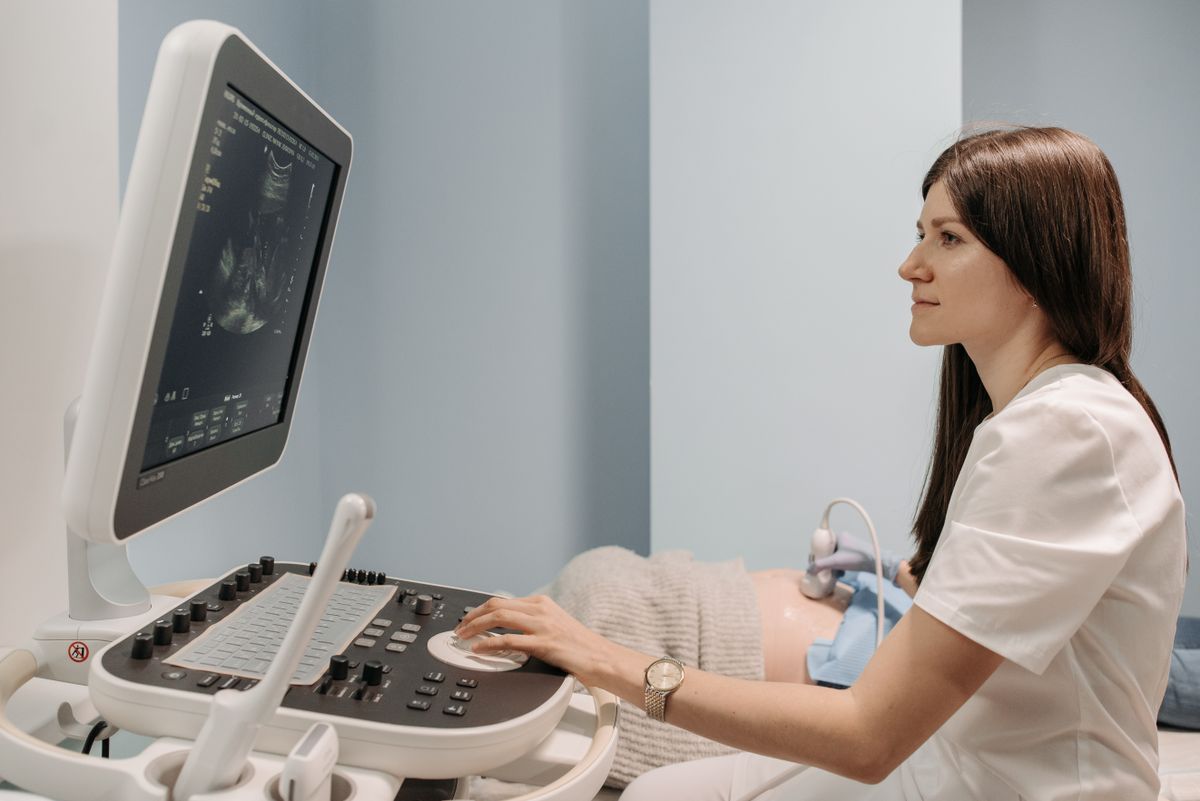
Contact VIPmediThe photograph is illustrative and does not show VIPmedi patients, partner facilities or a gender-selection procedure. The remaining cards use original informational icons.
These answers are general information. Current regulation, a licensed centre and qualified genetics and fertility professionals determine an individual case.
Not for personal preference or family balancing. Turkey’s assisted-reproduction regulation prohibits choosing gonads or embryos to determine a child’s sex, except in the context of avoiding an inherited disease. A specific case must still satisfy medical, genetic, laboratory and legal requirements.
No. Wanting a child of the other sex, balancing a family or cultural preference is not a permitted indication in Turkey. VIPmedi does not arrange such treatment.
It is the common search phrase. Clinically, PGT may identify information involving sex chromosomes. It cannot select or predict a person’s future gender identity. This page uses the search term while explaining the correct medical and legal meaning.
It is a genetic condition whose inheritance is related to the X or Y chromosome. Some serious X-linked conditions affect males more often, while females may be carriers or may also be affected. The exact gene, variant, inheritance and family risk must be confirmed by genetics professionals.
Usually the molecular genetic report identifying the familial variant, affected-relative records, a pedigree or family history, genetic-counselling notes and fertility tests for both partners. The reviewing centre may request new confirmatory tests or family samples.
No. PGT-M targets a defined single-gene condition. PGT-A screens sampled cells for chromosome-number findings. PGT-A does not diagnose every disease and does not create permission for non-medical sex selection.
No. In ICSI, an embryologist injects one selected sperm into an egg to assist fertilisation. The procedure does not reliably choose or control an embryo’s sex. Claims that ICSI alone guarantees a boy or girl are misleading.
No. PGT may reduce the risk of the specific condition tested, but it is not 100% accurate and cannot exclude every genetic, chromosome, developmental or pregnancy problem. Prenatal screening and diagnostic options should still be discussed.
Yes. There may be no eggs, fertilisation, blastocyst suitable for biopsy, usable test result or embryo that meets the medical and clinic transfer criteria. This possibility and its financial implications should be covered before treatment.
No. Fertility treatment in Turkey is conducted within a married-couple, own-gamete framework. Donor eggs, donor sperm, donor embryos and surrogacy are not available treatment pathways in Turkey.
Yes. The current Turkish framework limits assisted-reproduction treatment to legally married couples using their own eggs and sperm. The centre will request marriage and identity documentation.
Biopsy, freezing and thawing are specialised laboratory procedures, and some embryos may be damaged or may not survive. Ask the centre about its biopsy stage, freezing method, laboratory quality processes and how it reports outcomes.
That depends on the authorised medical test, platform, laboratory report and centre policy. Even if sex-chromosome information is generated, it may only be used within the approved inherited-disease indication and applicable law—not for personal preference.
The schedule depends on prior genetic casework, ovarian response and embryo development. PGT cycles commonly freeze embryos while results are prepared, so transfer may occur in a later cycle and require another trip. Obtain a personalised plan before booking.
Use the contact page to send the condition name, genetic reports, family history, both partners’ ages, marriage status, previous IVF records and recent fertility tests. Do not send more personal information than needed in the first message. A preliminary review is not treatment acceptance.
Tell VIPmedi the diagnosed inherited condition and send existing genetics and fertility reports. We can ask an appropriate partner centre whether the case appears medically, technically and legally reviewable in Turkey.
VIPmedi does not offer non-medical sex selection, guarantee centre acceptance, promise an embryo of either sex or guarantee pregnancy.
For faster review, include “inherited-disease PGT enquiry” and the diagnosed condition.
 Acıbadem
 Memorial
 Medical Park
 Medipol
 Medicana